
Dental implant placement is often accompanied by significant emotional tension, even in patients with prior positive dental experiences. Professor Alexander von Breuer says that fear associated with implant treatment is more often linked not to the procedure itself, but to uncertainty, anticipation of pain and a perceived loss of control. At DentalClinic24, psychological adaptation is considered an integral part of treatment that directly influences both the process and its outcome.
Anxiety before intervention may manifest in different ways – from internal tension to pronounced distress that interferes with communication with the clinician. In such a state, patients absorb information less effectively and may struggle to follow recommendations. At DentalClinic24, attention is given not only to clinical indications, but also to the patient’s emotional state already at the planning stage.
One of the key factors in reducing anxiety is understanding the process. A detailed explanation of treatment stages, timelines and expected sensations helps reduce uncertainty. When patients know what will happen and why specific decisions are made, fear gives way to controlled anticipation. At DentalClinic24, this approach forms the basis of a trust-based interaction.
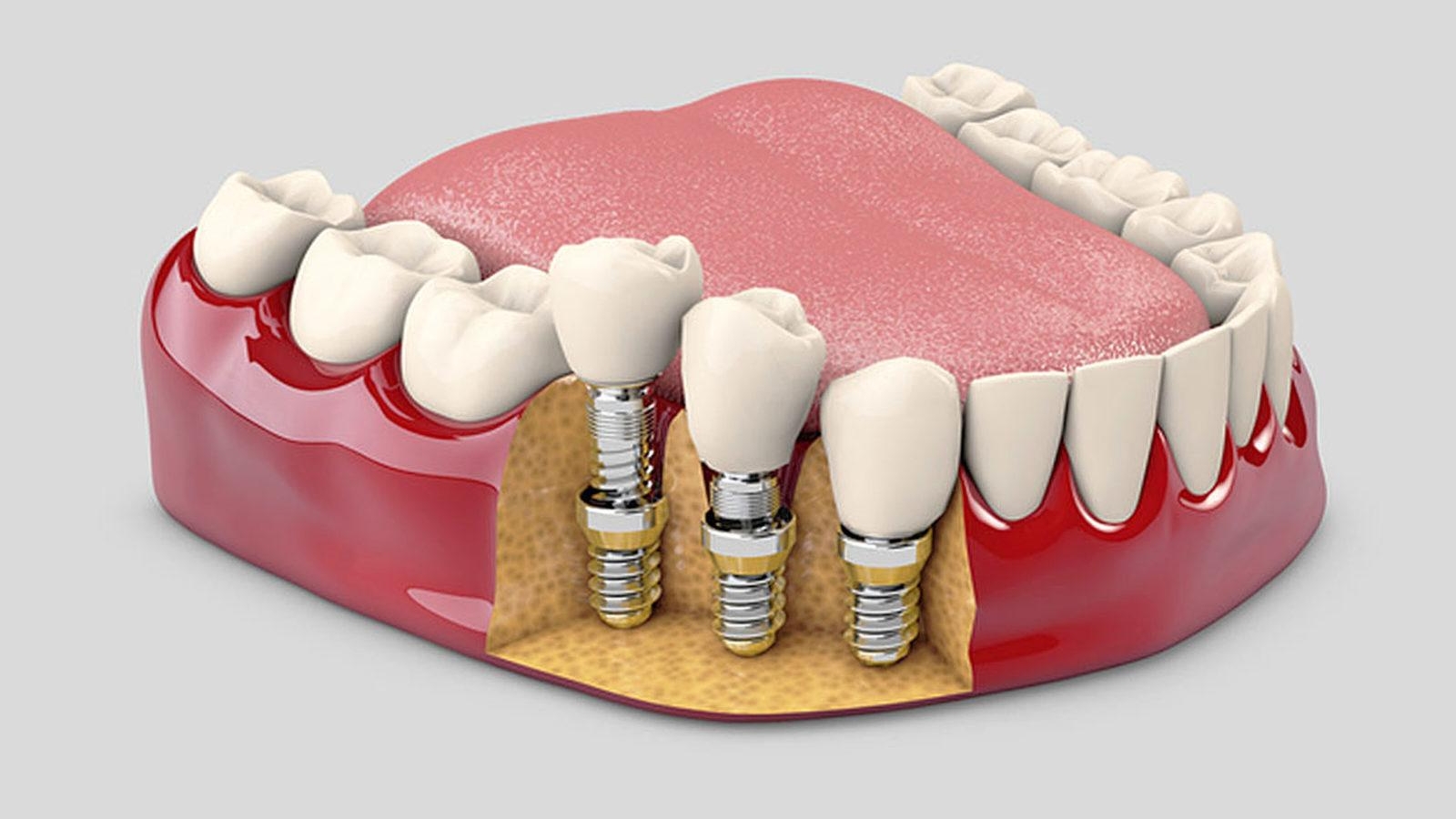
Visualisation also plays an important role. Modern diagnostic methods make it possible to clearly demonstrate the scope of intervention and the anticipated result. This allows patients to perceive implant placement not as an abstract threat, but as a structured and manageable procedure. At DentalClinic24, visual tools are used to foster confidence and reduce anxiety.
Emotional tension has a direct impact on physiological responses. Increased muscle tone, elevated heart rate and altered pain perception may complicate both treatment and recovery. Professor Alexander von Breuer emphasises that a calm psychological state contributes to a more predictable course of intervention and tissue adaptation.
Psychological support continues after the procedure as well. The recovery period is often accompanied by heightened attention to sensations in the implant area. Without appropriate explanations, this may increase anxiety. At DentalClinic24, patients receive clear guidance that helps distinguish normal post-operative responses from situations requiring attention.
It is important to note that fear of implant treatment is often shaped by second-hand experiences or outdated perceptions. Modern implantology differs significantly from techniques used in the past. At DentalClinic24, we help patients reassess these beliefs and form a realistic understanding of the procedure.
Psychological adaptation does not mean ignoring fear. On the contrary, it involves recognising it and addressing it systematically. This approach allows patients to feel actively involved in the treatment process rather than passive recipients of care. At DentalClinic24, this is considered an essential factor in successful implant therapy.
Thus, the patient’s psychological state has a direct influence on treatment efficiency and comfort. Reducing anxiety, providing information and offering support create conditions for a stable and predictable result. At Dental Clinic24, psychological adaptation is an integral component of a comprehensive implant treatment approach.
Earlier, we wrote about changes in the optical properties of enamel and how DentalClinic24 preserves the natural transparency of teeth