
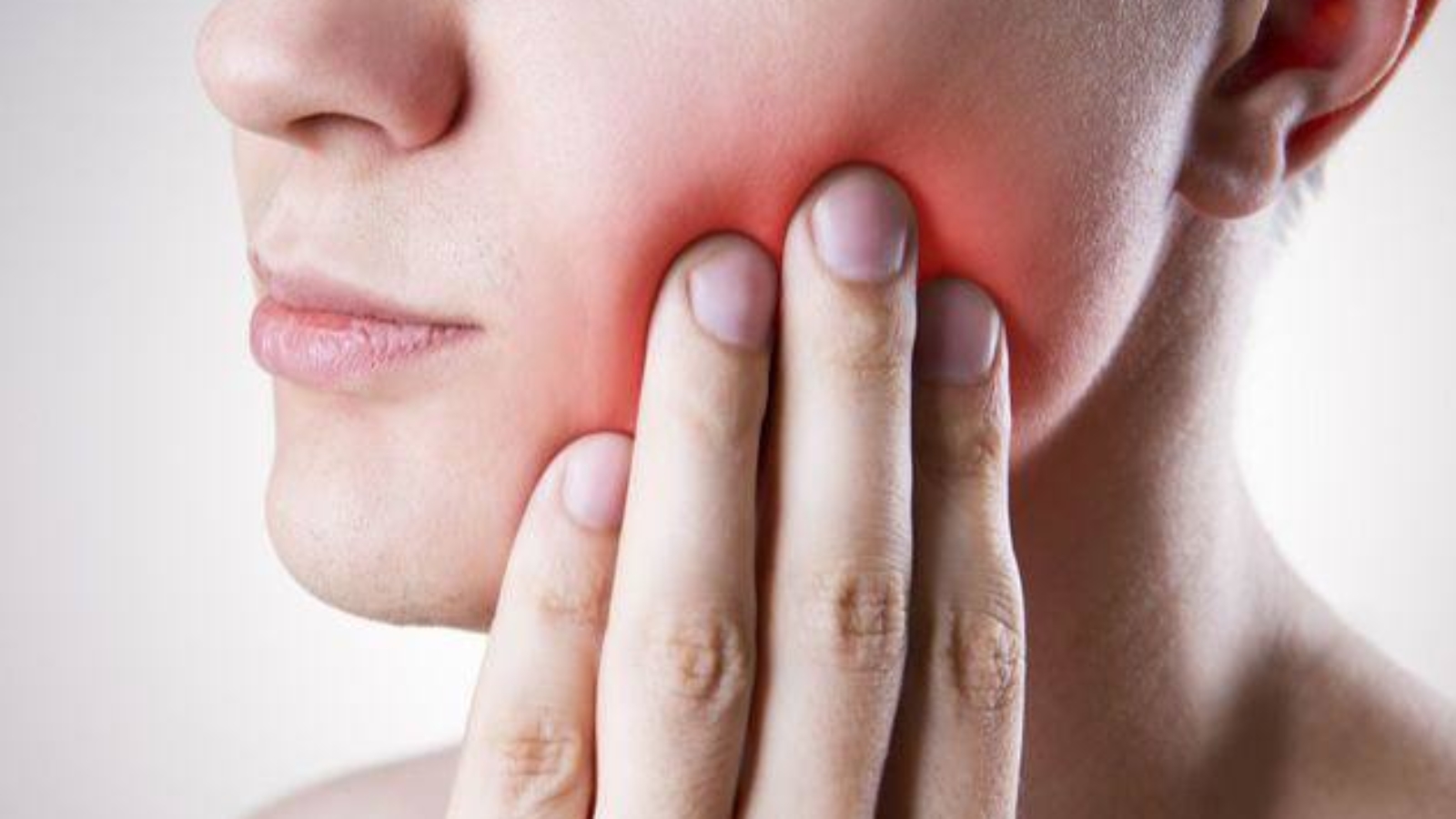
Facial pain is one of the most complex symptoms in dental practice, as it may have different origins and often mimics other conditions. Professor Alexander von Breuer says that when assessing facial pain, it is essential to distinguish local dental pathology from a neurogenic process, especially when the trigeminal nerve may be involved. At DentalClinic24, this issue receives particular attention already at the stage of initial diagnostics.
The trigeminal nerve is responsible for sensation in the face, teeth and oral mucosa. Its irritation or inflammation may manifest as sharp, shooting pain, burning sensations or a feeling of pressure that patients frequently associate with a specific tooth. At the same time, routine examination may reveal no obvious abnormalities. At DentalClinic24, such presentations are considered diagnostically high-priority.
The main difficulty lies in the fact that facial pain can imitate caries, pulpitis or periodontal inflammation. Without comprehensive analysis, there is a risk of initiating treatment on a tooth that is not the true source of the problem. At DentalClinic24, diagnostics are based on correlating the clinical picture, patient history and tissue response to load and stimuli.
An important step is analysing the nature of the pain. Neurogenic pain often arises spontaneously, intensifies with light touch and may radiate along the nerve pathway. Unlike odontogenic pain, it is not always related to chewing or temperature changes. At DentalClinic24, recognition of these features helps determine the need for extended diagnostics and a multidisciplinary approach.
Previous treatment also plays a significant role. Overloads, repeated interventions or complications following anaesthesia may provoke irritation of neural structures. In the absence of a systematic evaluation, the risk of pain chronification increases. Professor Alexander von Breuer emphasises that prevention of trigeminal nerve inflammation begins with correct treatment strategy and minimisation of traumatic factors.
Prevention of facial pain involves not only diagnostics, but also post-treatment load control. Improper occlusal contacts may sustain chronic irritation of nerve endings. At DentalClinic24, bite adjustment and contact control are regarded as essential components of preventing neurogenic complications.
Special attention is given to dynamic observation. Facial pain may change in intensity and localisation over time, providing additional diagnostic insight. At DentalClinic24, follow-up assessments allow timely adjustment of the treatment strategy and help avoid unnecessary interventions.
It is important to understand that trigeminal nerve inflammation does not always require aggressive treatment. In many cases, elimination of the provoking factor and reduction of load are sufficient to stabilise the condition. Professor Alexander von Breuer notes that accurate diagnostics are often more effective than extensive intervention.
Thus, facial pain requires a careful and systematic approach. Correct identification of its origin determines not only treatment effectiveness, but also the patient’s quality of life. At Dental Clinic24, management of facial pain is focused on identifying the root cause and preventing complications rather than merely alleviating symptoms.
Earlier, we wrote about complications after local anaesthesia and how DentalClinic24 minimises risks and controls recovery