
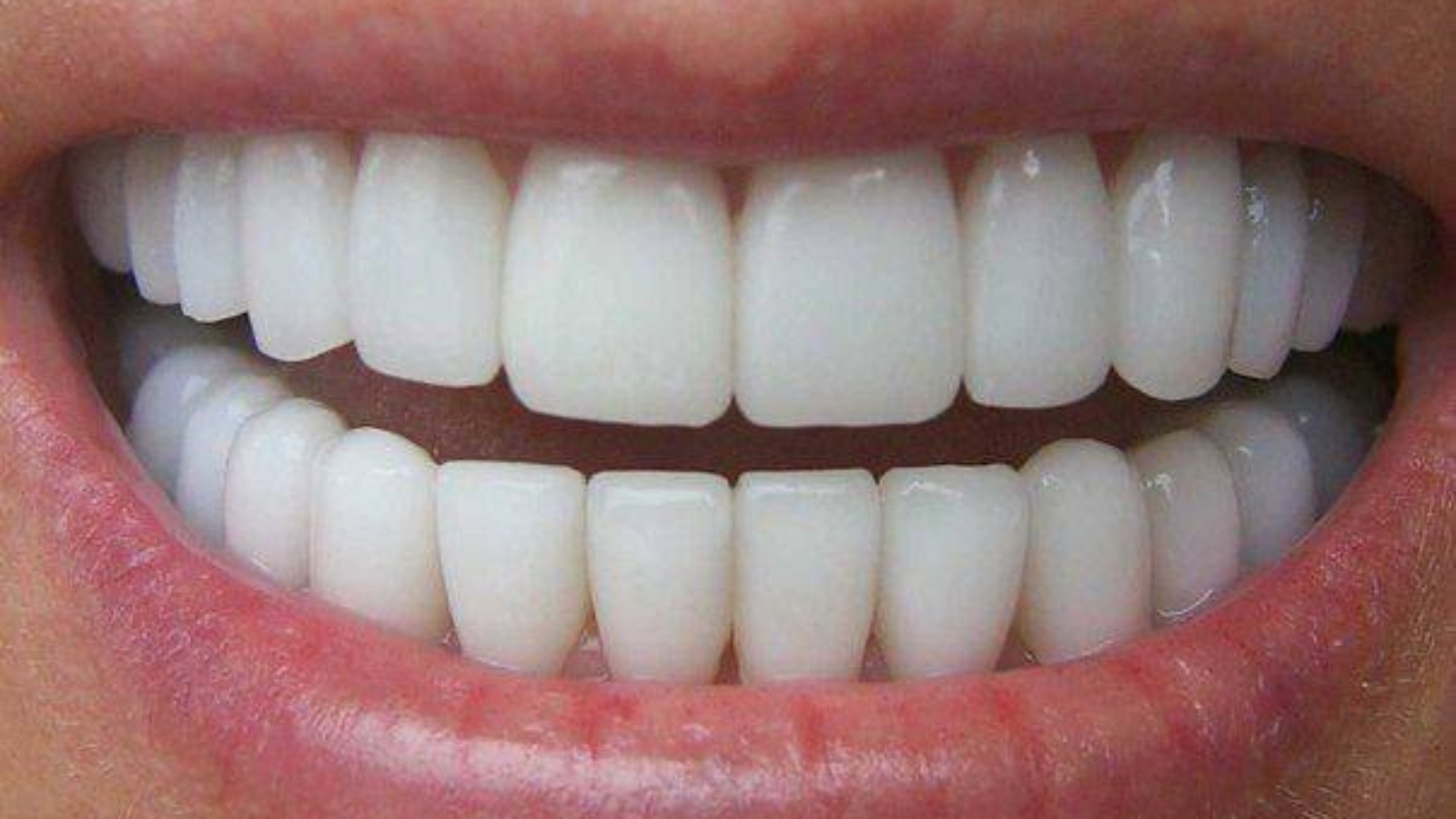
The demand for tooth whitening remains one of the most common requests in aesthetic dentistry, yet approaches to whitening differ significantly in terms of effectiveness and safety. Professor Alexander von Breuer notes that whitening should be regarded as a clinical procedure rather than a cosmetic experiment, as it inevitably affects the structure of enamel. At DentalClinic24, this principle forms the basis for selecting whitening techniques.
Home whitening products are often perceived as a safe alternative to in-clinic procedures. However, their effects are difficult to control. The concentration of active substances, duration of contact with enamel and individual tissue response remain unpredictable. At DentalClinic24, such methods are considered a potential risk factor for enamel and the dentin–pulp complex.
Professional whitening is distinguished primarily by process control. Prior to the procedure, enamel condition, degree of mineralisation and presence of microcracks are assessed. This makes it possible to determine whether whitening is appropriate and to what extent it can be performed safely. At DentalClinic24, diagnostics precede any aesthetic intervention.
One of the key advantages of clinical techniques is controlled depth of action. The whitening agent is activated strictly under defined conditions, reducing the risk of tissue overheating and enamel damage. Unlike home remedies, professional whitening does not disrupt the surface structure when protocols are properly followed.
Tooth sensitivity is another important consideration. Uncontrolled whitening frequently leads to increased reaction to cold and heat, caused by changes in enamel permeability and irritation of dentinal tubules. At DentalClinic24, selection of the technique and concentration is aimed at minimising such reactions.
Aesthetic outcomes also differ substantially. Home products often produce uneven whitening, highlighting areas of enamel thinning or existing restorations. Clinical techniques allow consideration of the optical properties of teeth and achieve a more harmonious shade. Professor Alexander von Breuer emphasises that natural appearance is more important than maximum whiteness.
Durability of results is another significant factor. After professional whitening, patients receive recommendations for colour stabilisation and enamel protection, reducing the risk of rapid repigmentation. At DentalClinic24, whitening is viewed as part of comprehensive oral care rather than a one-time procedure.
Procedure safety depends not only on the method itself, but also on post-treatment monitoring. Assessing enamel condition after whitening enables early detection of changes and timely adjustment of care. At DentalClinic24, this follow-up stage is a mandatory component of aesthetic treatment.
Thus, professional whitening differs from home remedies in its level of control, safety and predictability. A clinical approach makes it possible to preserve tooth structure while achieving a stable aesthetic effect. At Dental Clinic24, whitening is performed with consideration of biological tissue characteristics and long-term prognosis.
Earlier, we wrote about psychological adaptation during implant placement at DentalClinic24 and how we help patients cope with treatment anxiety