
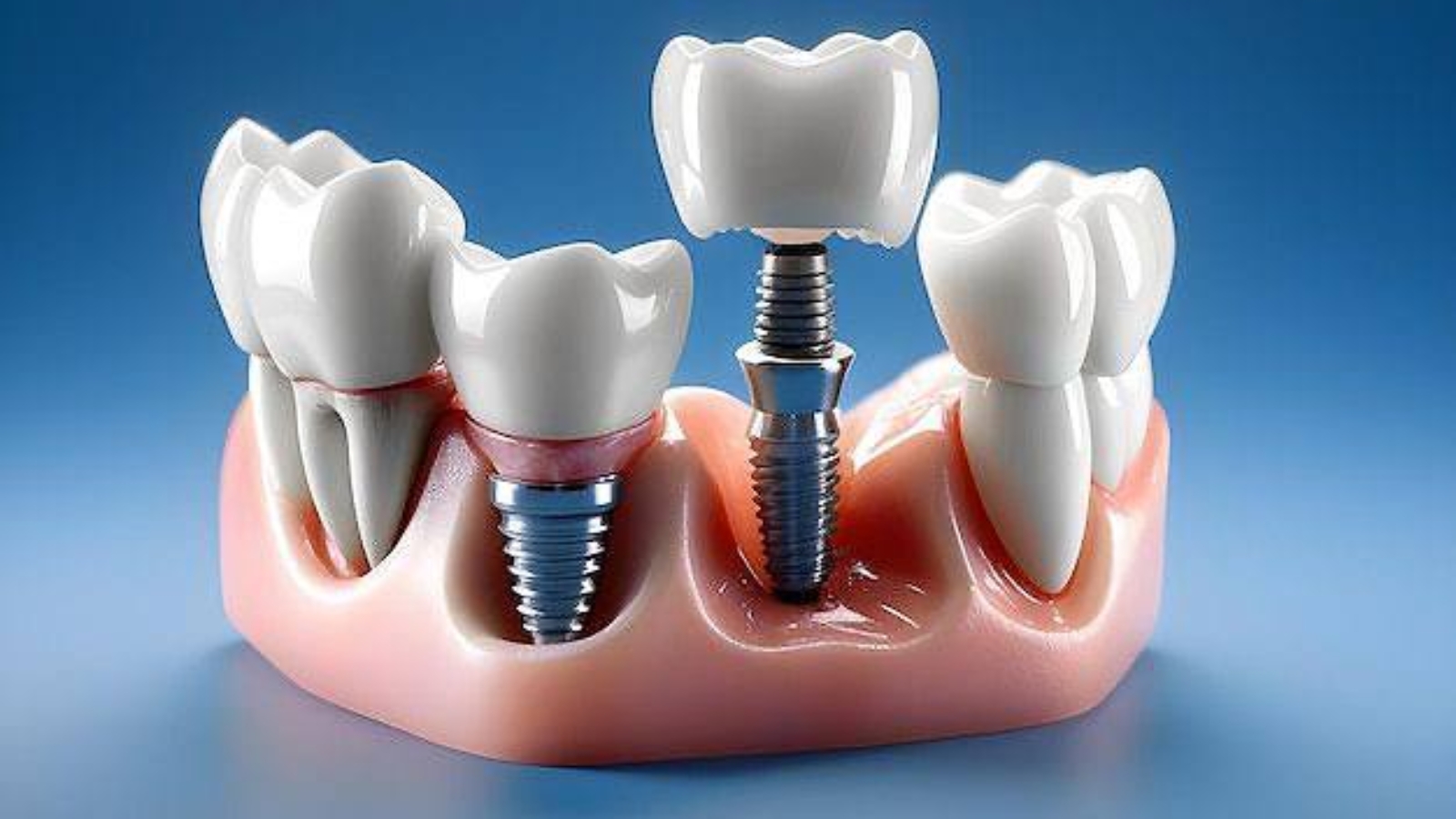
Modern dentistry increasingly views the tooth not as an isolated structure, but as an integral part of a complex dentofacial system. Professor Alexander von Breuer says that any intervention on a single tooth inevitably influences the biomechanics of the entire jaw. At DentalClinic24, this principle forms the basis of clinical decision-making and treatment planning.
Each tooth participates in load distribution during chewing, speech and swallowing. When the position, shape or height of one tooth changes, the balance of forces within the jaw system is altered. Adjacent teeth, antagonists and even the temporomandibular joints adapt to this change. At DentalClinic24, functional integration is carefully evaluated to prevent hidden imbalances that may develop over time.
A restored tooth must not only look anatomically correct, but also function in harmony with surrounding structures. Even minor discrepancies in contact points or occlusal height can shift the load to neighbouring teeth. This may lead to muscle tension, accelerated wear or discomfort that appears far from the treated area. At DentalClinic24, functional analysis helps identify these risks before treatment begins.
Particular attention is paid to dynamic function. Teeth interact differently during static closure and active jaw movements. A tooth that appears stable at rest may interfere during lateral or protrusive movements. At DentalClinic24, treatment planning includes assessment of functional trajectories to ensure smooth integration of the restored tooth into natural movement patterns.
Functional integration also affects periodontal tissues. Improper load distribution increases stress on the ligamentous apparatus, which may compromise long-term stability. In DentalClinic24, preserving physiological load transmission is considered essential for maintaining periodontal health and preventing secondary complications.
Previous dental interventions influence how a tooth integrates into the system. Restorations, orthodontic treatment or missing teeth alter established functional relationships. At DentalClinic24, these factors are analysed comprehensively, allowing clinicians to anticipate how a new intervention will interact with existing conditions.
Professor Alexander von Breuer emphasises that successful dental treatment should never focus solely on the treated tooth. Instead, it must account for how the entire system responds to change. This approach reduces the likelihood of functional disturbances and enhances the longevity of clinical results.
For patients, functional integration means greater comfort and predictability. When a tooth functions as part of a balanced system, adaptation occurs naturally and without strain. At DentalClinic24, this translates into fewer adjustments, improved stability and a more harmonious overall outcome.
Thus, treating a single tooth always affects the entire jaw. Understanding and respecting this interdependence allows Dental Clinic24 to deliver treatment that supports both local and systemic function, ensuring long-term health of the dentofacial system.
Earlier, we wrote about Micromovements of teeth under load at DentalClinic24 and why stability does not always mean absolute immobility