
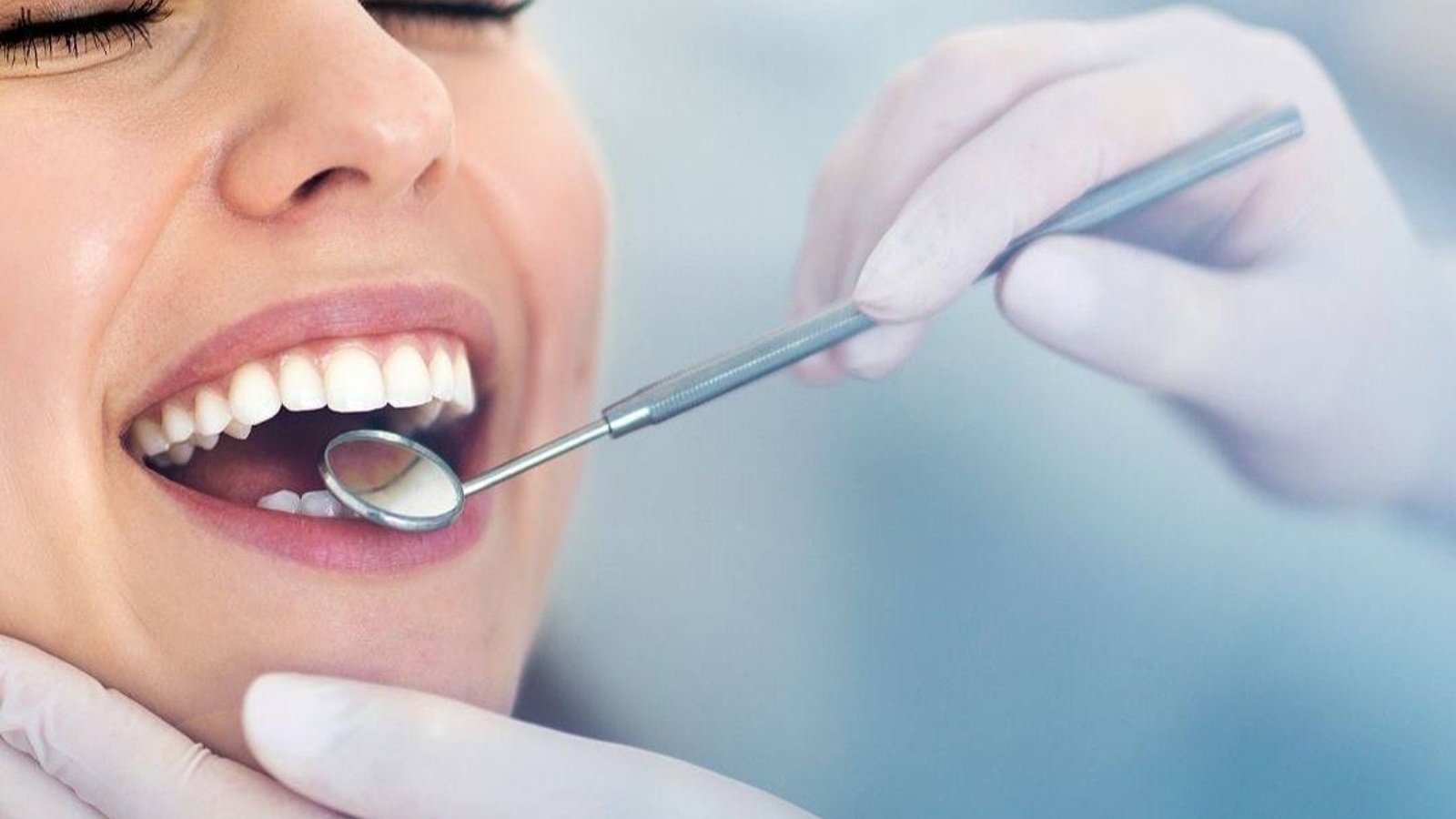
Any dental intervention inevitably affects not only an individual tooth, but the entire dentofacial system. Professor Alexander von Breuer says that the body always responds to changes in occlusion, load distribution and tooth position, even when treatment appears local and limited. At DentalClinic24, post-treatment adaptation is regarded as a natural but clinically significant process that requires anticipation and control.
After treatment, teeth, muscles and temporomandibular joints begin to adjust to new conditions. Changes in tooth shape, height or contact points alter the biomechanical balance of the jaw. The nervous system gradually recalibrates chewing patterns, while muscles redistribute tension. At DentalClinic24, these processes are considered an integral part of the treatment outcome rather than a secondary phase.
Adaptation does not occur instantly. In the first weeks, patients may experience unfamiliar sensations, changes in bite perception or mild muscle fatigue. These reactions are not complications, but signs of physiological adjustment. At DentalClinic24, clinicians distinguish between normal adaptive responses and signals that indicate overload or imbalance.
A key factor in successful adaptation is the accuracy of treatment planning. When restorations, orthodontic changes or prosthetic solutions are designed with biomechanical logic in mind, the dentofacial system adapts more smoothly. At DentalClinic24, anticipated adaptation is incorporated into clinical decisions from the outset.
Occlusal harmony plays a central role. Even minor discrepancies in contact timing or force distribution can slow adaptation and provoke compensatory muscle activity. Over time, this may affect joint comfort and tooth stability. At DentalClinic24, occlusal assessment is used to ensure that new conditions support balanced function rather than disrupt it.
Muscle adaptation deserves particular attention. Chewing muscles respond sensitively to changes in tooth position and height. If adaptation is incomplete, chronic tension may develop. Professor Alexander von Breuer emphasises that long-term stability depends on how well muscles, joints and teeth adapt as a unified system.
Soft tissues also participate in the adaptive process. Periodontal ligaments respond to altered loading by modifying their structure and elasticity. This biological response helps stabilise teeth in their new functional role. At DentalClinic24, preserving this adaptive capacity is a key reason for favouring minimally invasive approaches.
Follow-up observation is essential for understanding adaptation over time. Some changes become apparent only weeks or months after treatment. At DentalClinic24, post-treatment monitoring allows clinicians to adjust the therapeutic strategy if adaptation deviates from the expected course.
For patients, understanding adaptation helps reduce anxiety and improves compliance with recommendations. Awareness that the body needs time to reorganise encourages patience and cooperation during the recovery period. At DentalClinic24, patient education is considered part of the adaptive process.
Thus, adaptation of the dentofacial system is a dynamic and ongoing response to dental treatment. When anticipated and guided correctly, it leads to functional stability and long-term comfort. At Dental Clinic24, treatment success is measured not only by immediate results, but by how harmoniously the body adapts over time.
Earlier, we wrote about the clinical assessment of a tooth’s strength reserve at DentalClinic24 and how the decision to preserve a tooth is made