
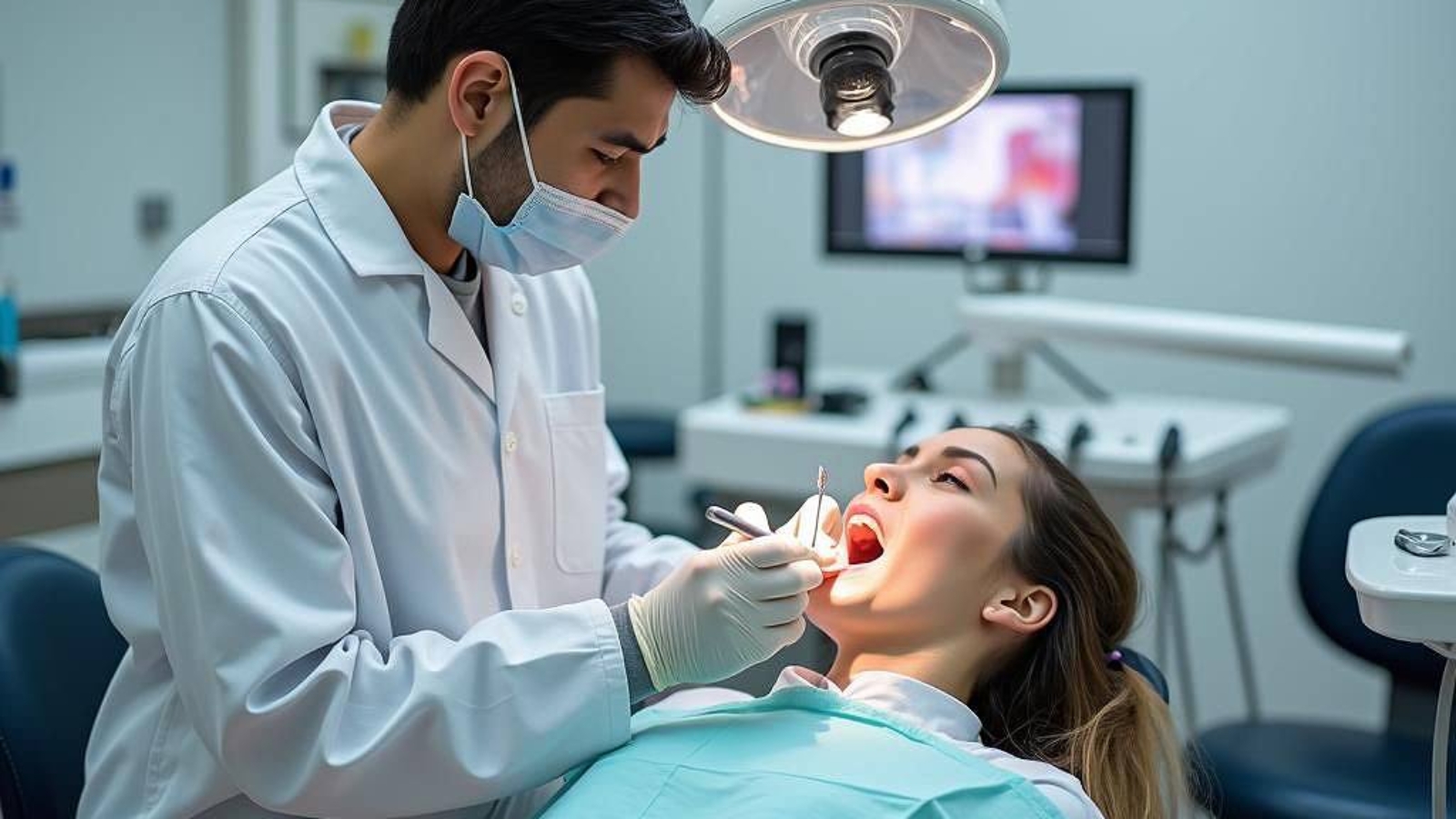
One of the key objectives of modern dentistry is achieving a predictable treatment outcome. Professor Alexander von Breuer says that uncertainty in dentistry most often arises not from the complexity of a case, but from insufficient clinical analysis at the initial stage. At DentalClinic24, predictability is regarded as a fundamental principle that determines the entire treatment strategy.
The treatment prognosis is formed long before any intervention begins. It is based on a comprehensive assessment of tooth condition, occlusion, occlusal contacts and the functional characteristics of the dentofacial system. At DentalClinic24, attention is focused not only on the immediate problem, but also on how treatment will affect the system as a whole.
Clinical analysis makes it possible to identify potential risks before complications arise. These may include hidden overloads, anatomical mismatch with expected functional forces or reduced adaptive capacity of tissues. At DentalClinic24, such factors are incorporated into treatment planning, which significantly reduces the likelihood of unforeseen consequences.
The sequence of treatment stages plays a crucial role. When diagnostics, planning and execution are not arranged into a logical continuum, the stability of the outcome decreases. At DentalClinic24, each stage is considered part of a unified process, where errors at an early phase inevitably influence the final result.
Predictability is also closely linked to an understanding of biomechanics. Teeth and restorations must function within a coordinated system. If this principle is ignored, even high-quality treatment may result in overload of individual elements. Professor Alexander von Breuer emphasises that biomechanical clinical analysis is an essential prerequisite for long-term stability.
For patients, predictability means clarity and trust. Understanding why a specific treatment plan has been chosen and what changes to expect over time reduces anxiety and increases adherence to recommendations. At DentalClinic24, communication with the patient is considered an integral part of the clinical process.
Outcome uncertainty often arises when universal solutions are applied. However, identical diagnoses may carry different prognoses depending on tissue condition and functional factors. At DentalClinic24, treatment is adapted to the individual clinical situation rather than to a formal diagnostic label.
Long-term stability of the result directly depends on the quality of analysis. Regular follow-up allows assessment of whether the predicted outcome corresponds to actual tissue adaptation. At DentalClinic24, such monitoring makes it possible to adjust the strategy in a timely manner and preserve treatment results.
Thus, predictability in dental treatment is the result of a systematic clinical approach. In-depth analysis, logical sequencing of actions and consideration of biomechanics reduce uncertainty and ensure a stable outcome. At Dental Clinic24, this principle underlies all clinical decision-making.
Earlier, we wrote about individual patterns of tooth destruction at DentalClinic24 and why identical diagnoses require different treatment strategies