
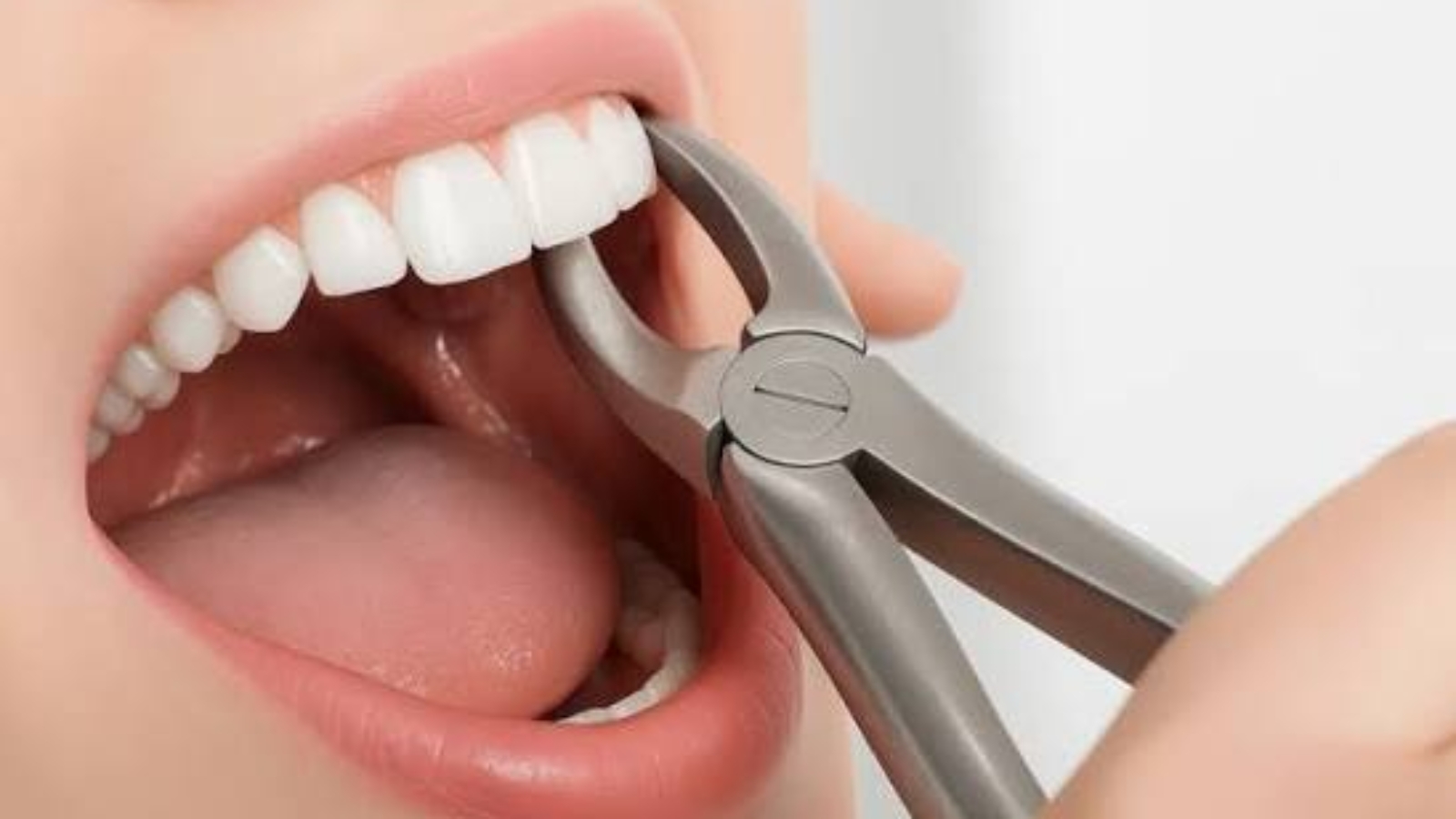
Tooth extraction is often perceived as a radical step, yet in modern clinical practice it can serve as a carefully planned element of tissue preservation. Professor Alexander von Breuer emphasises that atraumatic extraction should not be regarded as a failure of treatment, but as a controlled intervention aimed at maintaining anatomical and functional balance. At DentalClinic24, extraction is considered only after a thorough assessment of long-term prognosis.
Atraumatic extraction focuses on minimising damage to surrounding tissues. Preserving the alveolar bone, gingival contours and neighbouring teeth is essential for maintaining future treatment options. At DentalClinic24, special attention is paid to extraction techniques that reduce mechanical stress and prevent unnecessary trauma.
One of the key indications for atraumatic extraction is the presence of irreversible structural damage that compromises the long-term stability of the tooth. In such cases, preserving a non-viable tooth may lead to chronic inflammation, bone loss or functional overload. At DentalClinic24, extraction is integrated into a broader strategy that prioritises overall oral health rather than isolated tooth preservation.
The technique itself plays a decisive role. Excessive force, uncontrolled movements and inadequate planning can lead to fractures of the surrounding bone and delayed healing. At DentalClinic24, atraumatic extraction protocols are designed to respect natural anatomical planes and minimise disruption of the periodontal tissues.
Preservation of bone volume is particularly important when future restorative or implant-based treatment is planned. Atraumatic extraction allows the natural architecture of the alveolar ridge to be maintained, reducing the need for additional surgical procedures. At DentalClinic24, this approach supports more predictable rehabilitation outcomes.
Equally important is the management of soft tissues. Gentle handling of the gingiva promotes faster healing and reduces postoperative discomfort. At DentalClinic24, atraumatic extraction is combined with careful soft tissue management to support optimal recovery.
From a functional perspective, timely and well-planned extraction can prevent the spread of pathological processes to adjacent structures. Chronic infection or microfractures left untreated may compromise neighbouring teeth and alter occlusal balance. At DentalClinic24, extraction is performed with consideration of its impact on the entire dentofacial system.
For patients, atraumatic extraction offers a more comfortable postoperative experience and a clearer treatment pathway. Reduced swelling, faster healing and preservation of future treatment options contribute to long-term satisfaction. At DentalClinic24, patient education is an integral part of the extraction process, ensuring understanding of the rationale behind clinical decisions.
In conclusion, atraumatic tooth extraction is not merely a technical procedure, but a strategic clinical decision. When performed correctly, it protects surrounding tissues, supports healing and creates favourable conditions for subsequent treatment. At Dental Clinic24, extraction is approached as part of a comprehensive, tissue-preserving philosophy focused on long-term stability and function.
Earlier, we wrote about working with young patients at DentalClinic24 and how dentists build trust and reduce fear of treatment