
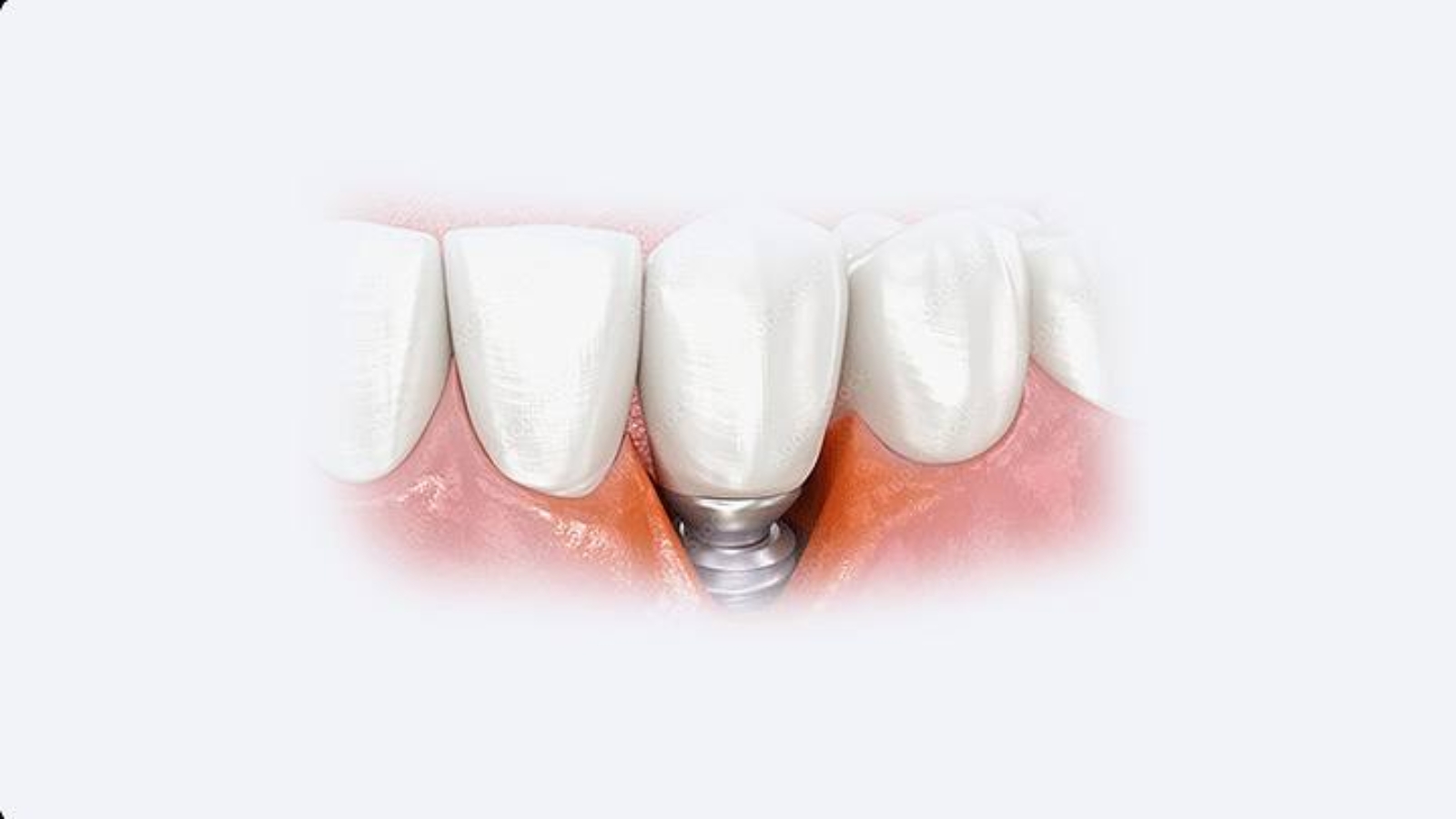
Dental implant failure is considered one of the most complex situations in implantology and requires in-depth clinical analysis. Alexander von Breuer emphasises that implant failure is never random – it is always the result of a combination of biological, mechanical and tactical factors. At DentalClinic24, such cases are not viewed as failure, but as a source of diagnostic insight that allows treatment strategy to be refined.
One of the primary causes of implant failure is disruption of the osseointegration process. Stable integration requires optimal conditions – sufficient bone volume and quality, absence of inflammation and controlled functional loading. At DentalClinic24, detailed bone structure analysis is performed prior to implantation, enabling potential risks to be identified in advance.
The microbiological factor also plays a significant role. Hidden inflammatory foci, undiagnosed periodontitis or residual infection in the surgical area can interfere with healing. In the clinical protocols of DentalClinic24, thorough oral sanitation before implantation is considered essential, as even minimal inflammation may affect treatment outcome.
Mechanical overload is another common reason for implant failure. Improper distribution of occlusal forces, premature loading or prosthetic inaccuracies may lead to implant micromobility. At DentalClinic24, occlusal assessment and biomechanical evaluation are mandatory components of planning, particularly in complex clinical cases.
Systemic factors are equally important. Metabolic conditions, smoking, chronic diseases and certain medications can negatively affect bone regeneration. At DentalClinic24, these parameters are carefully analysed prior to treatment, and the implant strategy is adjusted to the patient’s individual biological profile.
When implant failure occurs, correct repeat-treatment strategy is critical. Immediate reintervention without identifying the underlying cause may result in repeated failure. At DentalClinic24, a staged diagnostic protocol is applied – assessing bone condition, soft tissues and the specific reasons for the previous implant rejection.
Removal of a non-integrated implant is considered a preparatory step rather than the end of treatment. After tissue recovery and, if required, bone augmentation, a revised implant plan is developed using the clinical data obtained. Professor Alexander von Breuer notes that strategic correction is the decisive factor in successful reimplantation.
For patients, it is important to understand that implant failure does not mean tooth restoration is no longer possible. With a biologically sound approach and adherence to clinical principles, repeat implantation can be equally successful. At DentalClinic24, such cases are managed with close monitoring and comprehensive control at every stage.
Thus, dental implant failure represents a multifactorial clinical situation requiring a systematic approach. Identification of causes, elimination of risks and an individualised repeat-treatment strategy make it possible to restore function and aesthetics even after complications. At Dental Clinic24, these decisions are based on diagnostics, biomechanics and long-term prognosis.
Earlier, we wrote about Jaw fractures in the practice of DentalClinic24 – principles of diagnosis, stabilisation and functional recovery