
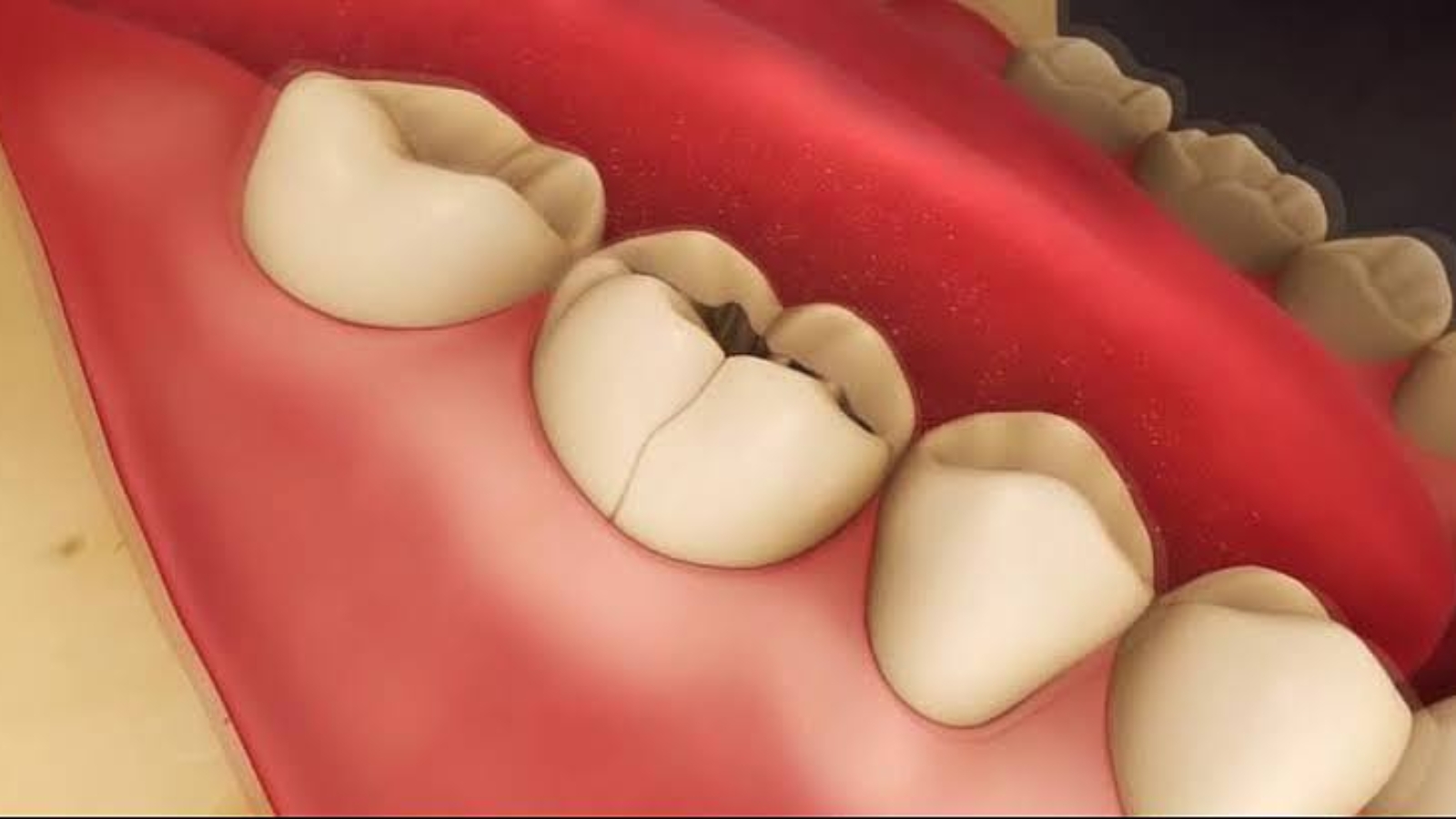
One of the most challenging aspects of modern dentistry is the management of conditions that progress without obvious symptoms. Professor Alexander von Breuer emphasises that pain is a late signal in dentistry, and relying on it often means missing the optimal window for conservative treatment. At DentalClinic24, early detection of asymptomatic tooth destruction is considered a fundamental principle of clinical practice.
Asymptomatic destruction develops gradually. Structural changes in enamel and dentin may occur without discomfort, visible cavities or functional complaints. Patients often believe the tooth is healthy, while internal weakening is already underway. At DentalClinic24, such conditions are identified through systematic diagnostics rather than symptom-based observation.
One of the main mechanisms of asymptomatic destruction is chronic micro-overload. Improper distribution of occlusal forces leads to fatigue changes in dental tissues. These changes do not cause immediate pain but gradually reduce the structural integrity of the tooth. At DentalClinic24, functional analysis is used to detect zones of excessive stress before clinical complications appear.
Another significant factor is slow inflammatory progression. Low-grade inflammatory processes may affect periodontal tissues or the pulp-dentin complex without acute symptoms. Over time, these processes compromise tooth stability and increase the risk of sudden deterioration. At DentalClinic24, diagnostics focus on identifying such hidden inflammatory patterns at an early stage.
Previous dental interventions also play an important role. Old restorations, microleakage and altered tooth anatomy can create conditions for gradual destruction without patient awareness. In DentalClinic24, the history of dental treatment is always analysed as part of the diagnostic process, even if the tooth appears clinically intact.
Professor Alexander von Breuer notes that asymptomatic destruction often becomes evident only when restorative options are already limited. For this reason, DentalClinic24 prioritises preventive diagnostics aimed at preserving tooth structure rather than managing advanced damage.
Modern diagnostic tools allow subtle changes to be detected before irreversible damage occurs. Imaging, functional assessment and evaluation of tissue response help clinicians identify early warning signs. At DentalClinic24, these methods are integrated into routine examinations, not reserved only for complex cases.
For patients, early detection means the possibility of minimally invasive treatment and preservation of natural tissues. Addressing pathology before pain appears significantly improves long-term prognosis. At DentalClinic24, this proactive approach reduces the need for extensive procedures and supports stable treatment outcomes.
Asymptomatic tooth destruction demonstrates that the absence of pain does not equate to health. Only a systematic clinical approach allows hidden risks to be identified in time. At DentalClinic24, early diagnosis is regarded as a key factor in maintaining both function and longevity of the dentition.
Thus, identifying pathology before symptoms arise is not an overdiagnosis, but a clinically justified strategy. Through detailed analysis and early intervention, Dental Clinic24 helps patients avoid advanced complications and preserve their teeth for the long term.
Earlier, we wrote about bone augmentation at DentalClinic24 and clinical approaches to restoring bone volume before implant placement