
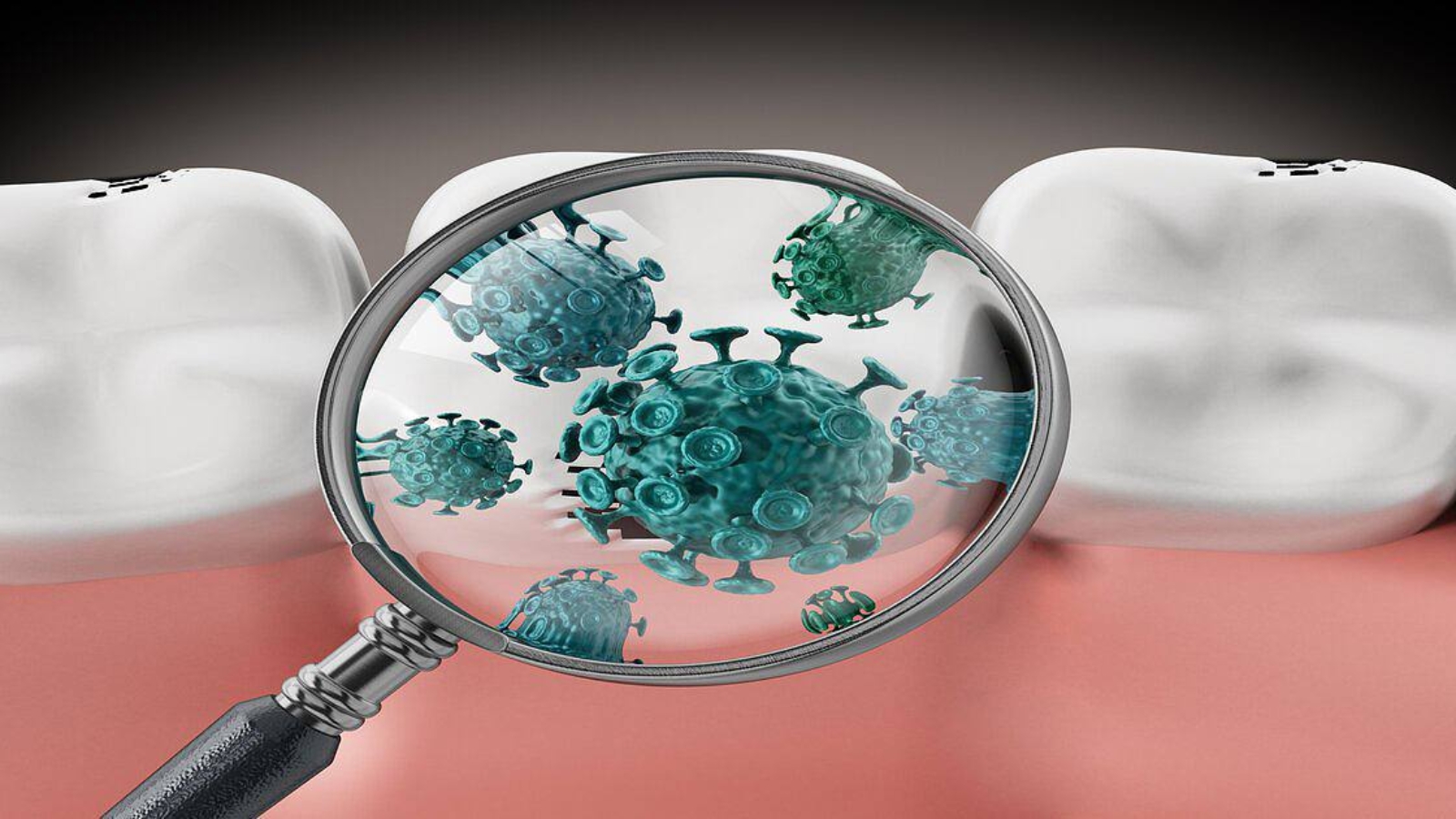
The oral cavity is a complex biological environment in which thousands of microorganisms coexist in a delicate balance. Professor Alexander von Breuer emphasises that successful dental treatment depends not only on mechanical intervention, but also on how this microbial ecosystem responds to clinical changes. At DentalClinic24, the oral microbiome is considered a key factor influencing long-term treatment stability.
Under physiological conditions, the oral microbiome performs protective functions – it limits the growth of pathogenic bacteria and supports tissue homeostasis. However, disturbances in this balance may trigger inflammatory processes, impair healing and increase the risk of relapse after treatment. At DentalClinic24, microbial balance is assessed as part of the overall clinical picture rather than as an isolated parameter.
Dental procedures inevitably affect the microbial environment. Tooth preparation, periodontal treatment, implantation and restorative procedures temporarily alter local conditions. If the microbiome is already imbalanced, such interventions may provoke complications. At DentalClinic24, attention is paid to identifying dysbiotic changes before treatment begins.
One of the hidden risks associated with microbial imbalance is chronic inflammation without pronounced symptoms. The patient may not experience pain, yet bacterial activity continues to affect periodontal tissues and bone structures. At DentalClinic24, this factor is taken into account when assessing the prognosis for tooth preservation and implant stability.
The oral microbiome also influences tissue regeneration. A balanced microbial environment promotes predictable healing, while an excess of pathogenic flora may slow recovery and compromise outcomes. At DentalClinic24, treatment planning includes measures aimed at supporting favourable conditions for tissue adaptation.
Of particular importance is the interaction between the microbiome and restorative margins. Bacterial accumulation at restoration interfaces may lead to secondary caries or peri-implant inflammation. At DentalClinic24, precision of restoration fit and hygiene control are regarded as microbiologically significant factors rather than purely technical aspects.
Systemic factors further modify the microbial landscape. Stress, diet, medication intake and immune status all influence bacterial composition. At DentalClinic24, these aspects are considered during consultations, allowing treatment strategies to be adapted to the patient’s biological context.
For the patient, maintaining microbial balance means more than daily hygiene. Understanding how lifestyle and follow-up care affect treatment outcomes improves long-term stability. At DentalClinic24, patient education is integrated into the clinical process to reduce the likelihood of recurrence.
Thus, the oral microbiome plays a decisive role in dental prognosis. Stable treatment results depend on the harmony between clinical intervention and biological response. At Dental Clinic24, managing bacterial balance is viewed as an essential component of modern dentistry focused on durability and prevention of relapse.
Earlier, we wrote about Dental implant failure in the practice of DentalClinic24 – clinical causes, risk factors and strategies for repeat treatment