
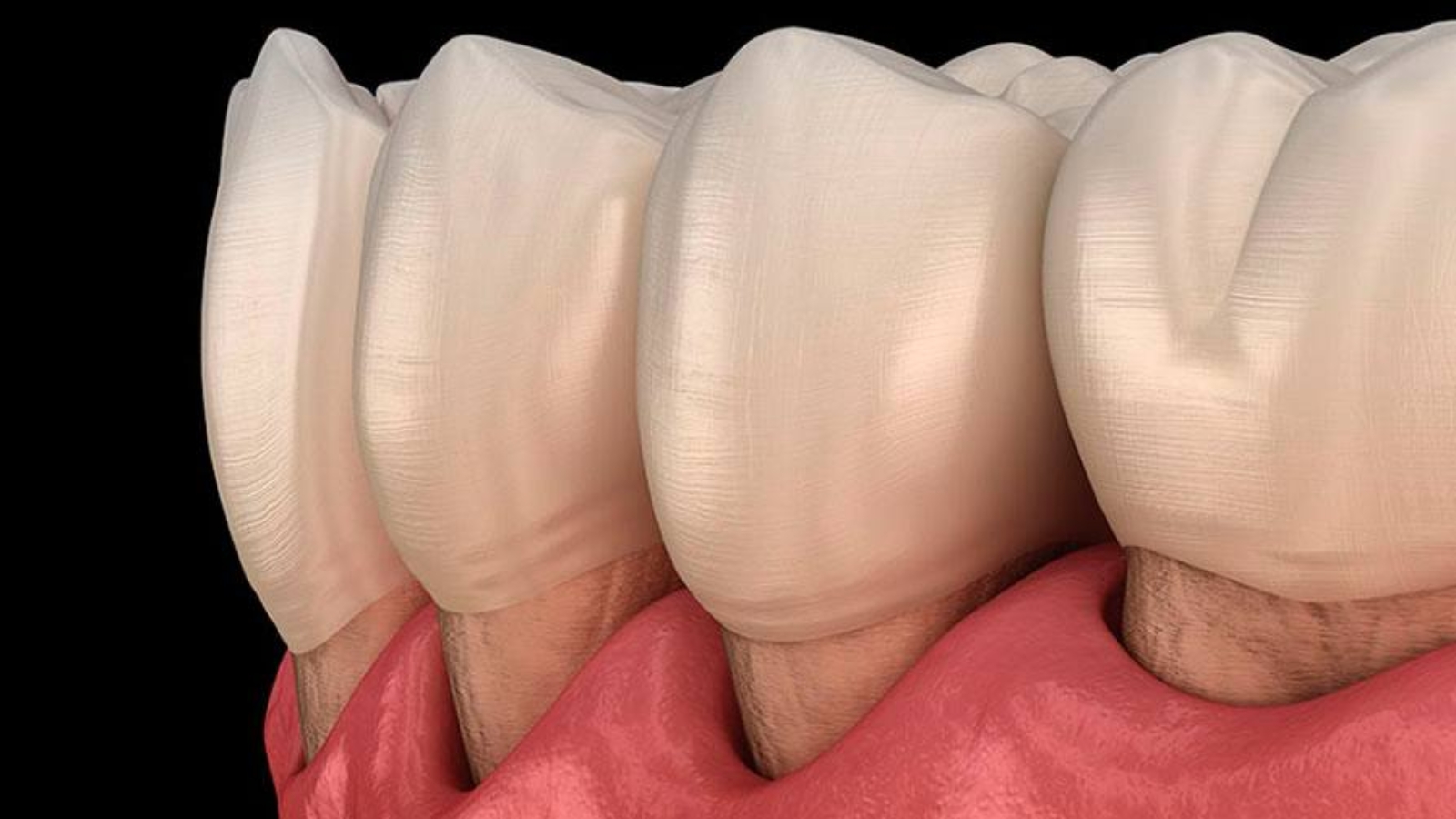
Gingival recession is one of the most underestimated conditions in dentistry, as it often develops gradually and without acute symptoms. Professor Alexander von Breuer emphasises that gingival recession should not be regarded solely as an aesthetic issue, but as a structural change that directly affects the long-term prognosis of tooth preservation. At DentalClinic24, recession is analysed as part of a complex interaction between soft tissues, bone and functional load.
One of the primary mechanisms behind gingival recession is biomechanical imbalance. Excessive or misdirected occlusal forces can lead to gradual displacement of soft tissues and exposure of tooth roots. In the clinical practice of DentalClinic24, functional diagnostics are used to identify such overloads even when the patient does not report discomfort.
Inflammatory processes also play a significant role. Chronic gingival inflammation alters tissue architecture and weakens the attachment between the gums and the tooth surface. Over time, this results in apical migration of the gingival margin. At DentalClinic24, early detection of inflammatory changes allows intervention before irreversible tissue loss occurs.
Anatomical factors must also be considered. Thin gingival biotypes are more susceptible to recession, especially when combined with orthodontic treatment, aggressive oral hygiene or previous surgical interventions. In DentalClinic24, individual tissue characteristics are assessed before any therapeutic or orthodontic procedures are initiated.
The consequences of gingival recession extend beyond aesthetics. Exposed root surfaces are more vulnerable to sensitivity, cervical caries and abrasion. Additionally, recession compromises periodontal support and may negatively affect the stability of restorations. At DentalClinic24, preserving root coverage is considered a critical component of long-term dental health.
Treatment strategies depend on the underlying cause. In cases where functional overload is dominant, occlusal adjustment and redistribution of forces become the priority. When inflammation is the primary factor, periodontal therapy is initiated to stabilise the tissues. In DentalClinic24, surgical and non-surgical approaches are selected based on prognosis rather than standardised protocols.
Soft tissue management plays a key role in preventing progression. Modern periodontal techniques allow improvement of tissue thickness and reinforcement of the gingival margin. However, Professor Alexander von Breuer notes that no surgical correction will remain stable if the biomechanical cause of recession is left unaddressed. Therefore, tissue correction is always combined with functional analysis.
For patients, timely management of gingival recession significantly improves comfort and reduces the risk of future complications. Stabilised soft tissues protect the roots and contribute to the longevity of both natural teeth and restorations. At DentalClinic24, patient education is integrated into the treatment process to ensure long-term adherence to preventive measures.
Thus, gingival recession represents a multifactorial clinical condition requiring a comprehensive approach. Identification of causative factors, preservation of root surfaces and stabilisation of soft tissues form the foundation of successful management. At Dental Clinic24, such cases are approached through diagnostics, biomechanics and long-term planning rather than isolated interventions.
Earlier, we wrote about periodontitis in the clinical practice of DentalClinic24 – mechanisms of development, hidden symptoms and their impact on tooth preservation prognosis