
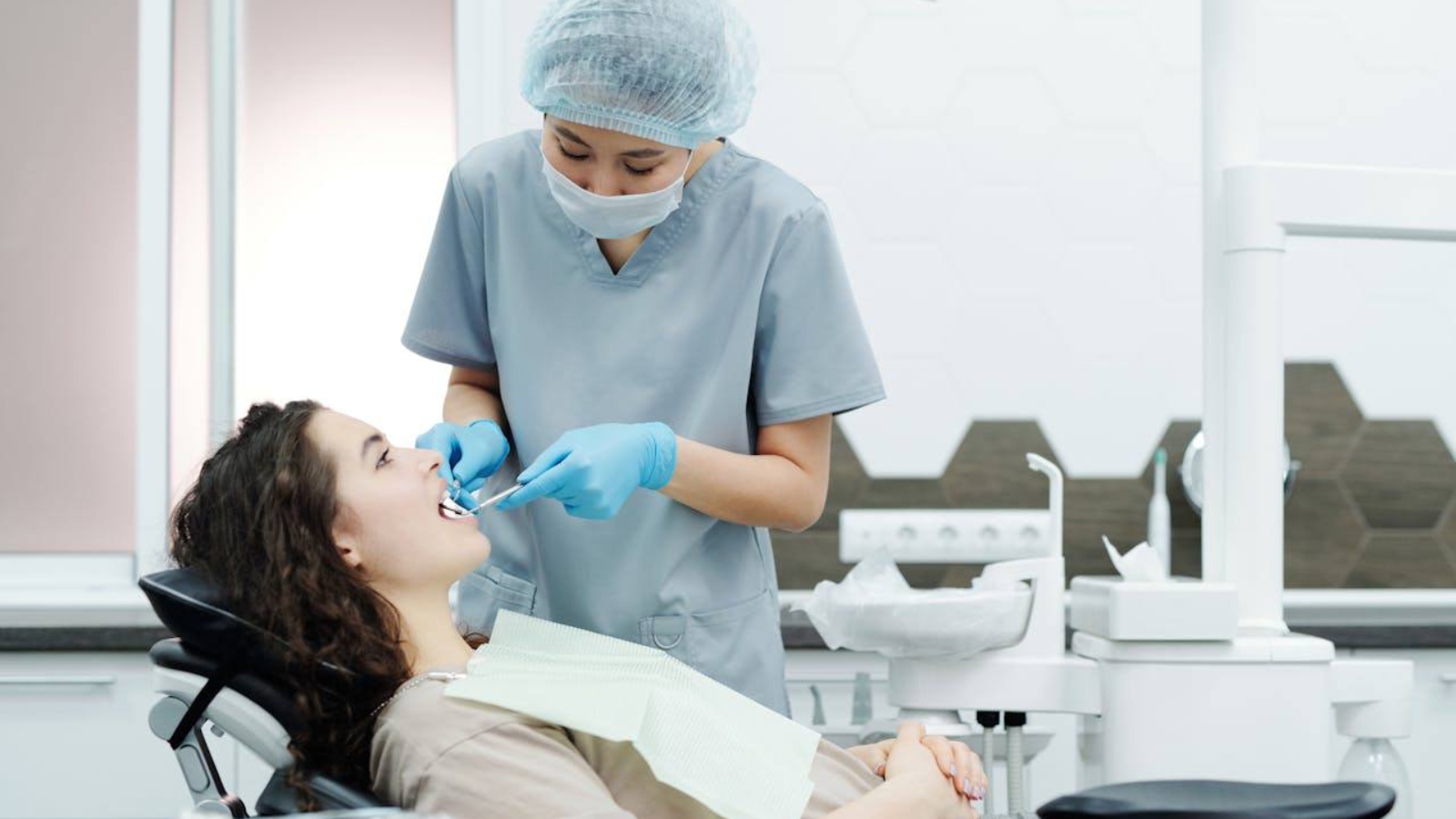
Self-diagnosis in dentistry is one of the most common reasons for delayed treatment and progression of pathology. Professor Alexander von Breuer says that many serious dental conditions develop silently and are often misinterpreted by patients as temporary or insignificant discomfort. At DentalClinic24, identifying the consequences of self-diagnosis is considered an important part of preventive clinical work.
One of the most underestimated symptoms is the absence of pain. Many patients believe that if a tooth does not hurt, no treatment is required. However, structural damage, early inflammation and biomechanical overload may progress without noticeable pain for a long time. At DentalClinic24, asymptomatic conditions are often detected during routine examinations before irreversible changes occur.
Another frequent mistake is associating gum bleeding exclusively with brushing technique. While traumatic brushing can contribute to bleeding, it is often an early sign of periodontal inflammation. Ignoring this symptom may lead to recession of soft tissues and loss of support around the teeth. At DentalClinic24, gum bleeding is always evaluated in the context of overall periodontal health.
Patients also tend to underestimate changes in tooth sensitivity. Increased reaction to cold, heat or pressure is often perceived as temporary irritation. In reality, such symptoms may indicate enamel thinning, dentin exposure or early pulp involvement. At DentalClinic24, changes in sensitivity are considered an important diagnostic signal rather than a minor inconvenience.
Jaw discomfort and muscle tension are another group of symptoms frequently ignored. Patients may attribute these sensations to stress or fatigue, without realising their connection to occlusal imbalance. At DentalClinic24, such complaints are carefully analysed, as they often reflect uneven load distribution and increased risk of tooth wear or fractures.
Aesthetic changes are also commonly misjudged. Slight darkening of a tooth, minor chipping or alteration of surface texture may seem purely cosmetic. However, these signs often indicate internal structural changes or compromised restorations. At DentalClinic24, aesthetic deviations are assessed as potential markers of deeper pathology.
Self-diagnosis may also lead to delayed professional care due to the use of home remedies or online advice. While temporary relief may occur, the underlying condition often continues to progress. At DentalClinic24, clinicians regularly encounter cases where late intervention significantly limits treatment options.
Professor Alexander von Breuer emphasises that dentistry relies on clinical evaluation rather than subjective perception. Symptoms that appear insignificant to the patient may carry substantial diagnostic value. This is why professional examination remains essential even in the absence of pain or obvious discomfort.
For patients, understanding the limits of self-diagnosis is crucial. Early consultation allows conditions to be identified at a reversible stage and reduces the need for complex interventions. At DentalClinic24, patient education is considered an integral part of long-term oral health maintenance.
Thus, errors of self-diagnosis represent a significant risk factor in dentistry. Recognising underestimated symptoms and seeking timely professional assessment helps preserve teeth and maintain stable treatment outcomes. At Dental Clinic24, early detection remains a key principle of preventive and predictive dental care.
Earlier, we wrote about asymptomatic tooth destruction and why DentalClinic24 identifies pathology before pain appears