
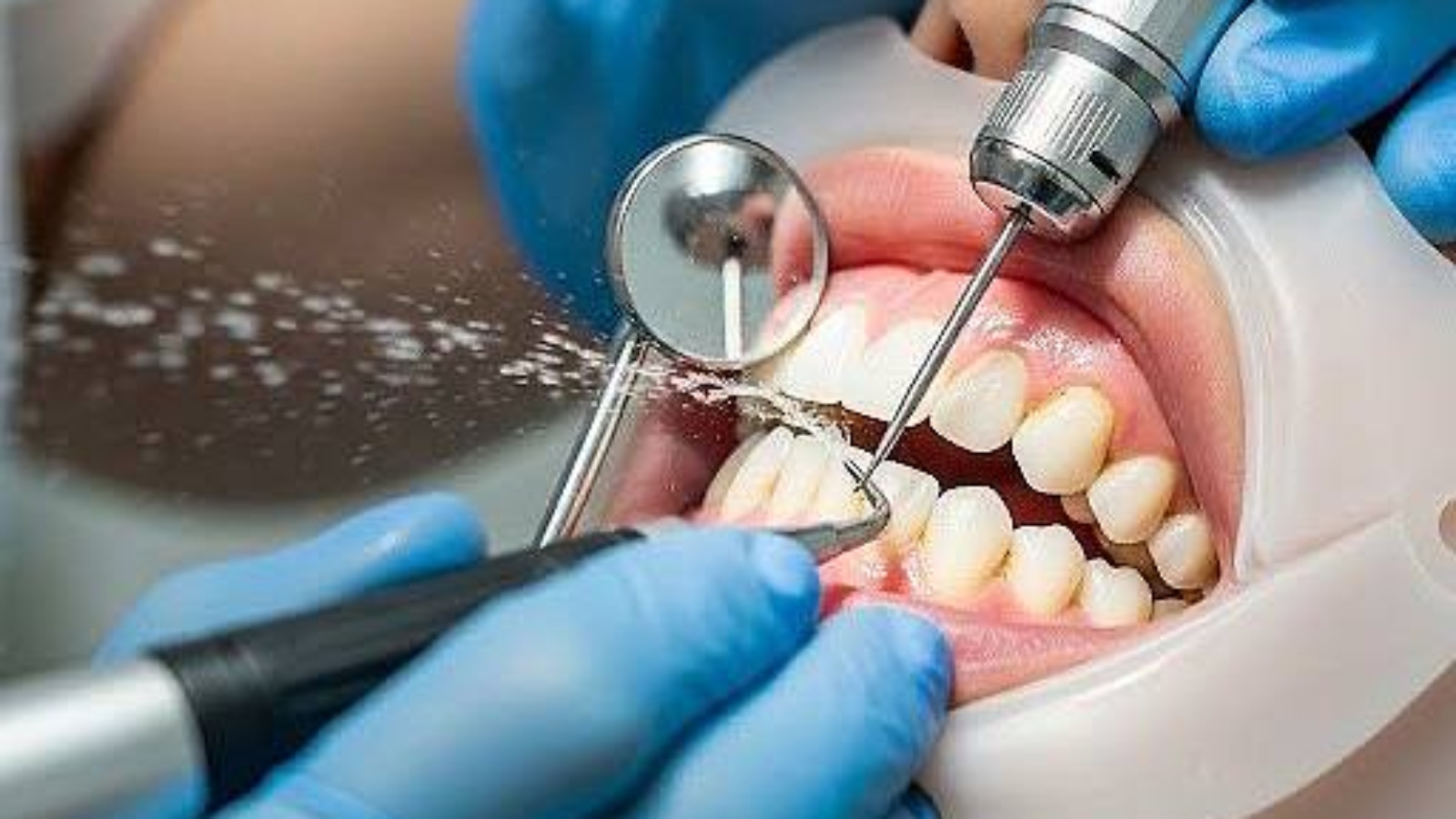
In clinical practice, it is often observed that identical dental procedures are perceived very differently by patients. Professor Alexander von Breuer notes that individual sensitivity to dental interventions is determined not only by pain threshold, but also by the complex interaction of neurological, anatomical and psychological factors. At DentalClinic24, this variability is considered a significant clinical parameter that influences treatment planning.
Sensitivity is closely linked to the structure of dental tissues. Variations in enamel thickness, dentin density and the proximity of the pulp affect how stimuli are transmitted to nerve endings. Even minimal differences in anatomy can result in markedly different sensations during treatment. At DentalClinic24, these features are assessed before any intervention to reduce discomfort and avoid overstimulation of sensitive structures.
The condition of the pulp–dentin complex plays a particularly important role. Teeth with preserved vitality respond differently to mechanical and thermal stimuli compared to teeth that have undergone previous restorative or endodontic procedures. At DentalClinic24, the vitality and reactivity of the pulp are evaluated as part of the decision-making process when selecting treatment methods and levels of anaesthesia.
Neurological factors also contribute to individual sensitivity. The way sensory signals are processed by the nervous system varies from patient to patient. Increased nerve reactivity, previous painful experiences and heightened anxiety can amplify perceived sensations. At DentalClinic24, these aspects are taken into account to adapt the clinical approach and create a more controlled treatment environment.
Psychological readiness significantly influences perception. Anticipation of pain, loss of control or previous negative dental experiences can intensify sensitivity even during minimally invasive procedures. At DentalClinic24, communication and explanation of each stage of treatment are considered part of clinical care, helping patients feel more secure and reducing stress-related responses.
Functional factors should not be overlooked. Teeth exposed to chronic overload, parafunctional habits or occlusal imbalance often exhibit increased sensitivity due to microstructural changes. At DentalClinic24, functional diagnostics help identify such conditions and adjust treatment tactics accordingly.
Individual sensitivity also affects recovery after dental procedures. Patients with heightened reactivity may experience prolonged discomfort or delayed adaptation. At DentalClinic24, post-treatment monitoring and personalised recommendations are used to support tissue recovery and maintain comfort.
Importantly, individual sensitivity does not indicate pathology. It reflects the unique biological and neurological characteristics of each patient. Professor Alexander von Breuer emphasises that recognising and respecting these differences is a marker of advanced clinical thinking. At DentalClinic24, treatment is tailored not only to the diagnosis, but also to the patient’s sensory profile.
Thus, the perception of dental procedures is shaped by multiple interrelated factors. Understanding these mechanisms allows clinicians to minimise discomfort, optimise treatment outcomes and build patient trust. At Dental Clinic24, individual sensitivity is integrated into clinical strategy as an essential component of high-quality, patient-centred care.
Earlier, we wrote about the oral microbiome at DentalClinic24 and how bacterial balance influences treatment stability and the risk of recurrence