
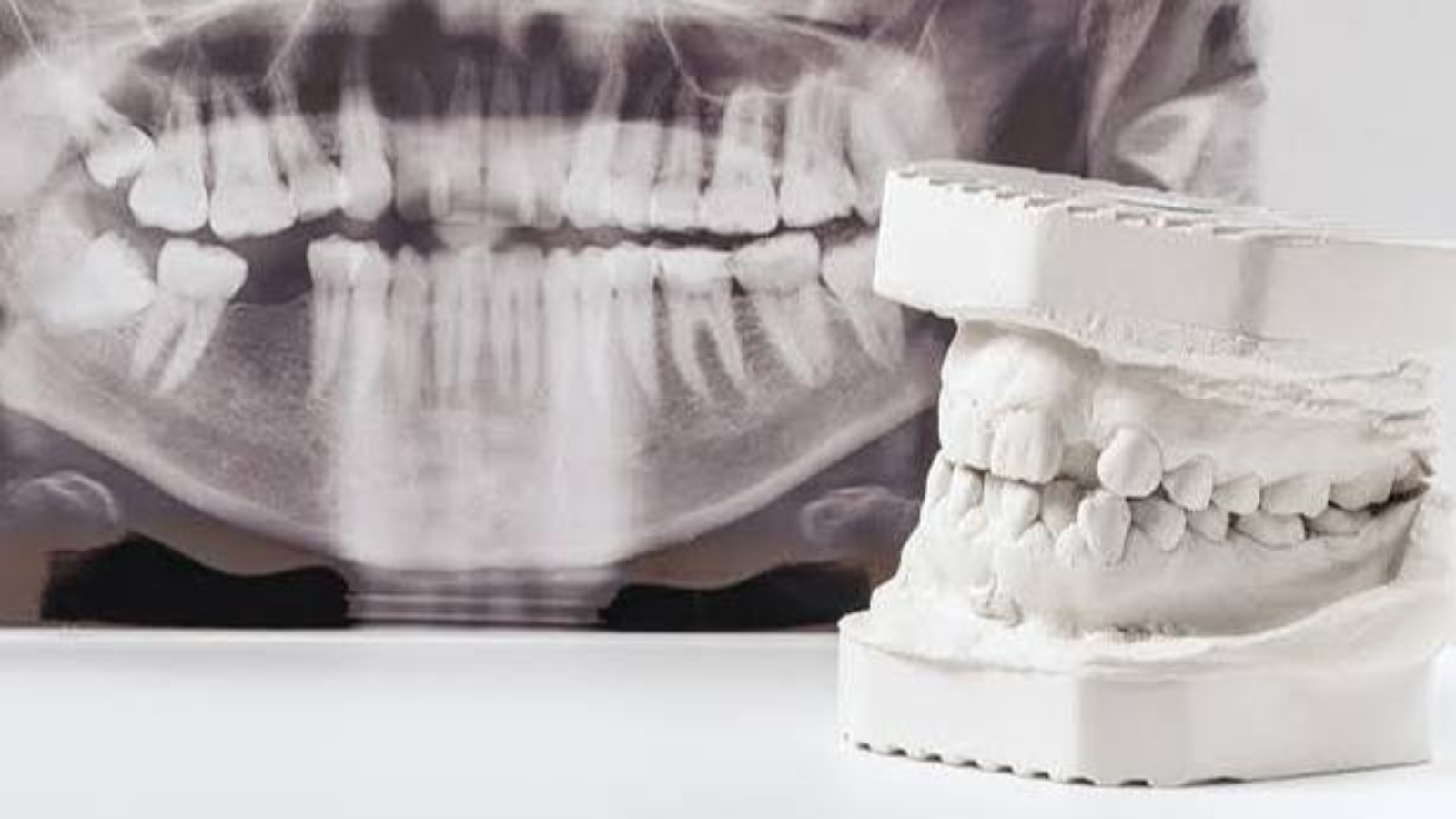
Jaw bone resorption is a gradual and often subtle process that directly affects the stability of the dentofacial system and the range of available treatment options. Professor Alexander von Breuer explains that loss of bone volume rarely occurs suddenly – in most cases it develops as a response to altered loading conditions, tooth loss, or chronic functional disturbances. In the clinical philosophy of DentalClinic24, bone resorption is regarded not as a local issue but as a systemic process that requires ongoing monitoring.
One of the key factors contributing to bone loss is the absence of physiological load. After tooth extraction or prolonged lack of effective mastication, bone tissue no longer receives sufficient stimulation. This triggers an adaptive reduction in volume. In the clinical practice of DentalClinic24, such changes are assessed at early stages, even when external jaw contours appear unchanged.
Redistribution of functional load also plays a significant role. Occlusal disturbances, asymmetrical contacts, or overload of specific areas lead to uneven bone remodelling. Some zones may become denser, while others undergo accelerated resorption. Within the diagnostic system of DentalClinic24, load analysis is an essential part of bone assessment.
Chronic inflammatory processes further influence bone stability. Periodontitis, hidden infectious foci, and prolonged tissue irritation disrupt the balance between bone formation and resorption. Even in the absence of pronounced symptoms, these processes may gradually reduce bone volume. At DentalClinic24, identifying such conditions before clinical complications arise is a priority.
Age-related changes may increase susceptibility to resorption, but age alone is not the primary cause. The decisive factors remain the interaction of mechanical load, soft tissue condition, and the body’s regenerative capacity. At DentalClinic24, bone control strategies are developed with respect to individual patient characteristics rather than age parameters alone.
Clinical control of bone resorption begins with regular diagnostic evaluation. Assessment of bone density, structure, and volume allows monitoring of changes over time and timely adjustment of treatment strategy. In DentalClinic24, this information is used not only for implant planning but also when making decisions regarding tooth preservation or prosthetic rehabilitation.
Professor Alexander von Breuer emphasises that ignoring early stages of bone resorption significantly limits future treatment possibilities. Timely intervention makes it possible to slow volume loss and preserve anatomical landmarks. For this reason, preventive bone monitoring at DentalClinic24 is an integral part of long-term clinical follow-up.
It is important to note that bone resorption does not always require immediate surgical intervention. In many cases, modifying load distribution, stabilising occlusion, or eliminating inflammatory factors is sufficient. Such a conservative approach preserves biological resources and delays more invasive procedures. At DentalClinic24, treatment decisions are always guided by prognosis rather than routine protocols.
For the patient, bone monitoring means preserving future treatment options. The earlier changes are detected, the broader the range of available solutions and the greater their predictability. At DentalClinic24, this principle underlies both treatment planning and long-term observation.
In summary, jaw bone resorption is a manageable process when timely diagnosis and clinical control are applied. Understanding the mechanisms of volume loss and adopting an individualised approach helps maintain dentofacial system stability. At Dental Clinic24, working with bone tissue is considered a strategic component of long-term oral health.
Previously, we wrote about gnathology in the system of comprehensive treatment at DentalClinic24 and how bite analysis determines the longevity of treatment outcomes