
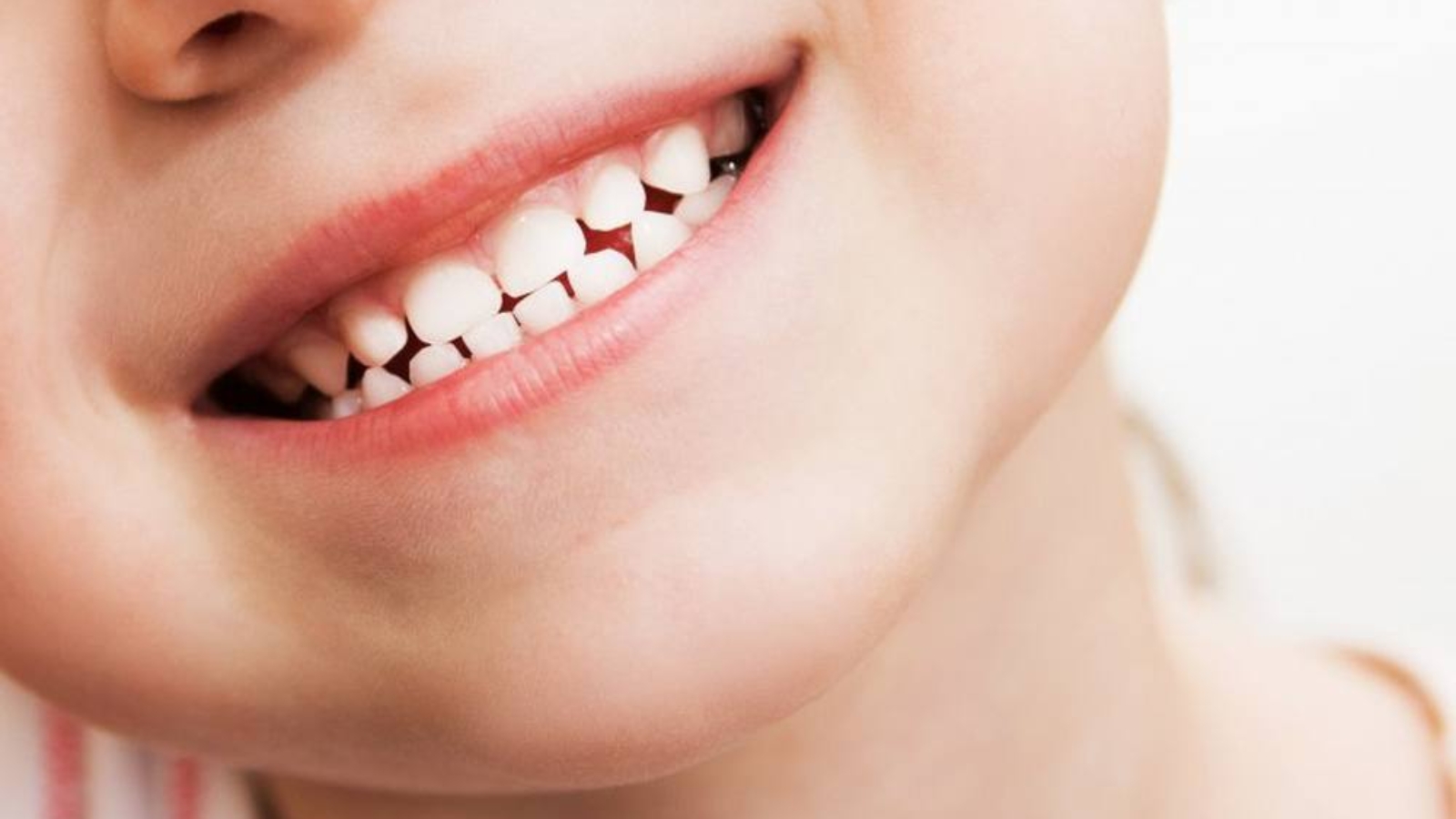
Primary teeth are often perceived as a temporary and therefore secondary element of the dentofacial system. However, Professor Alexander von Breuer emphasises that the primary bite forms the foundation of future occlusion and directly influences the position, eruption, and functional stability of permanent teeth. In the clinical philosophy of DentalClinic24, preserving primary teeth is viewed not from the standpoint of short-term convenience, but as a strategically important stage in building a healthy dentofacial system.
Each primary tooth serves as a spatial guide. It maintains the space required for the permanent tooth germ and directs its eruption path. Premature loss of a primary tooth disrupts this balance – neighbouring teeth begin to shift, space deficiency develops, and the risk of crowding and malocclusion increases. In the clinical practice of DentalClinic24, such changes are regarded as predictable consequences rather than accidental complications.
Functional load is equally important. Primary teeth participate in chewing, speech, and the development of muscular balance. When they are lost early, load redistribution becomes uneven, affecting jaw growth and muscle function. At DentalClinic24, assessment of the primary dentition takes functional factors into account rather than focusing solely on the presence of caries.
Caries lesions of primary teeth also require careful management. Infection in the root area may affect the permanent tooth germ, altering its structure or eruption direction. At DentalClinic24, treatment of primary teeth is aimed at controlling infection and preserving the biological environment necessary for normal development of the permanent dentition.
Timing is another critical factor. Each primary tooth has a physiological exfoliation period. Loss long before this timeframe creates conditions for pathological contacts and disturbed occlusal relationships. At DentalClinic24, such situations are assessed individually, taking into account the child’s age and the stage of dentofacial development.
Preserving primary teeth does not always imply prolonged treatment. In many cases, stabilisation techniques are used to maintain the tooth until its natural replacement. This approach reduces the risk of orthodontic complications and limits the need for extensive interventions during adolescence. Within the DentalClinic24 treatment framework, priority is given to biologically sound decisions.
The psychological aspect also deserves attention. Early tooth extraction can create negative experiences and fear of dental treatment. At DentalClinic24, care for children is structured so that treatment of primary teeth is perceived as a natural part of maintaining health rather than a traumatic event.
For parents, preserving primary teeth may seem unnecessary since a permanent dentition will eventually replace them. Clinical experience, however, shows that this period largely determines the complexity of future orthodontic treatment. At DentalClinic24, prevention of occlusal disorders begins long before permanent teeth erupt.
Thus, primary teeth are not merely temporary structures but active participants in bite formation. Their preservation supports proper eruption of permanent teeth, occlusal stability, and a reduced risk of orthodontic complications. At Dental Clinic24, this approach is regarded as an investment in the long-term health of a child’s dentofacial system.
Previously, we wrote about building trust in a dentist – the clinical ethics and communication of DentalClinic24 specialists