
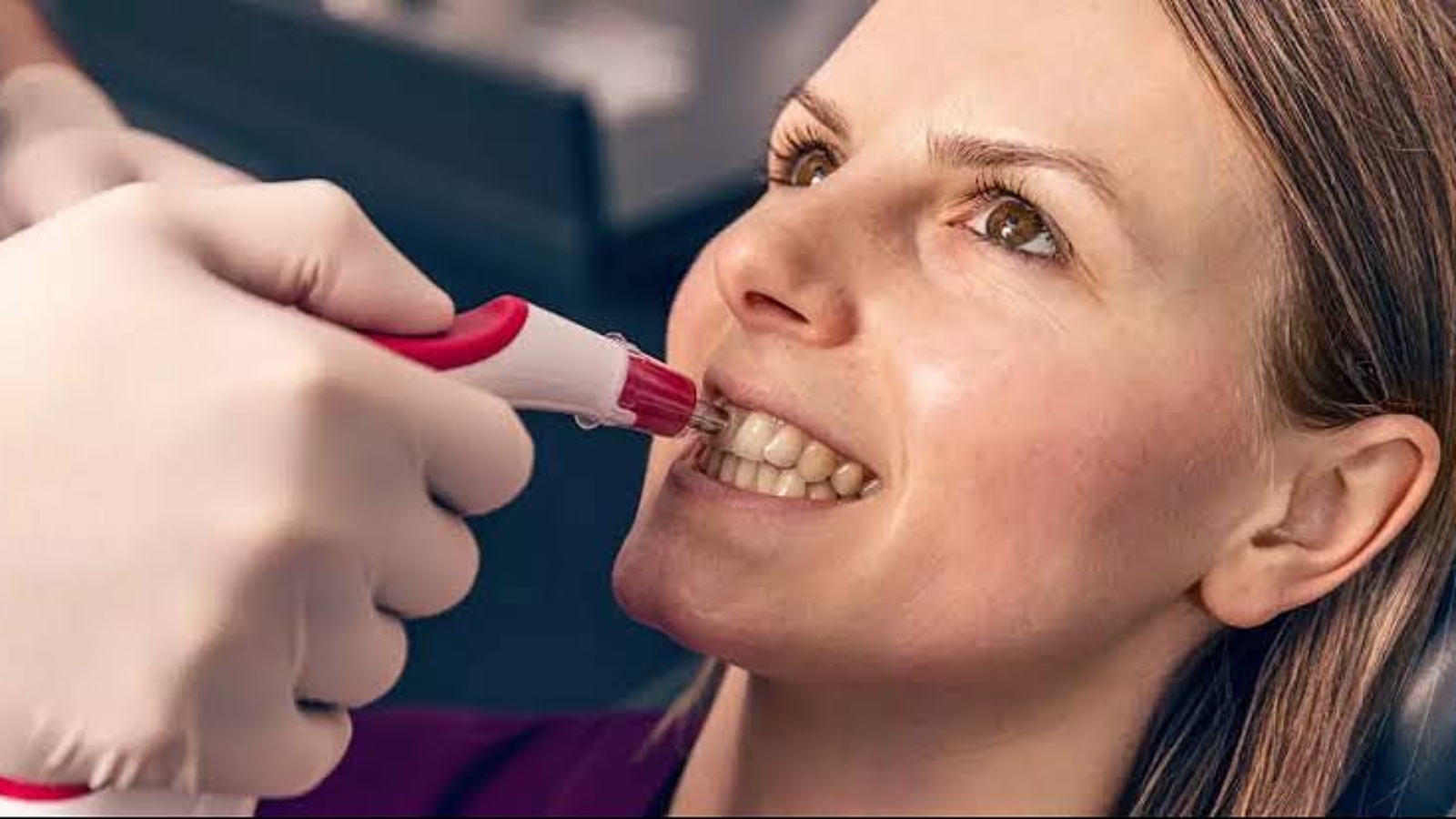
Dental fluorosis is often perceived purely as an aesthetic concern, yet according to Professor Alexander von Breuer, it represents a clinical manifestation reflecting the conditions of enamel formation and mineralisation. At DentalClinic24, fluorosis is not treated as a single diagnosis, but as a spectrum of conditions that require different management strategies depending on severity and the structural characteristics of the enamel.
The development of fluorosis is associated with excessive fluoride intake during the period of tooth formation. This may occur when several fluoride sources are combined – drinking water, dietary supplements, toothpastes, and preventive procedures. As a result, normal enamel crystallisation is disrupted, leading to white spots, chalky areas, or more pronounced structural changes. At DentalClinic24, the initial assessment focuses not only on the visual appearance of enamel, but also on the depth and nature of these alterations.
Clinically, fluorosis presents in various forms. Mild cases are characterised by subtle white streaks or spots that become noticeable under certain lighting conditions. More severe forms involve pigmentation, enamel porosity, and increased tooth sensitivity. At DentalClinic24, fluorosis is carefully differentiated from other causes of enamel discoloration, including hypoplasia and post-eruptive defects, as the therapeutic approach differs significantly.
The choice of treatment strategy is directly determined by the clinical presentation. In cases of superficial changes, minimally invasive methods may be sufficient – professional hygiene, remineralising therapy, and microabrasion of enamel. At DentalClinic24, such approaches allow improvement of tooth appearance without compromising structural integrity, preserving the natural properties of enamel.
In more pronounced forms of fluorosis, comprehensive aesthetic rehabilitation may be required. This can include infiltration techniques, restorative procedures, or prosthetic solutions. At DentalClinic24, it is essential that aesthetic correction does not merely mask the problem, but takes into account the biological and biomechanical characteristics of the affected tooth.
Particular attention is paid to the long-term behaviour of fluorotic enamel. Its porous structure may respond differently to mechanical load, temperature changes, and acidic exposure. At DentalClinic24, enamel resistance is assessed before any intervention to prevent accelerated wear or recurrence of aesthetic defects.
Professor Alexander von Breuer emphasises that aggressive correction methods applied without considering enamel structure may lead to further weakening of dental tissues. For this reason, at DentalClinic24 aesthetic restoration is always combined with measures aimed at strengthening enamel and maintaining functional stability.
For patients, fluorosis often causes psychological discomfort, especially when the anterior teeth are involved. At DentalClinic24, management of such cases includes detailed explanation of the nature of the condition and available treatment options, helping to establish realistic expectations and trust in the chosen strategy.
In summary, dental fluorosis requires a differentiated clinical approach based on analysis of enamel structure, severity of changes, and long-term prognosis. At Dental Clinic24, treatment of fluorosis is aimed not only at improving smile aesthetics, but also at preserving the functional and biological integrity of teeth.
Previously, we wrote about clinical situations in which dental intervention is not required and why DentalClinic24 sometimes chooses monitoring instead of treatment