
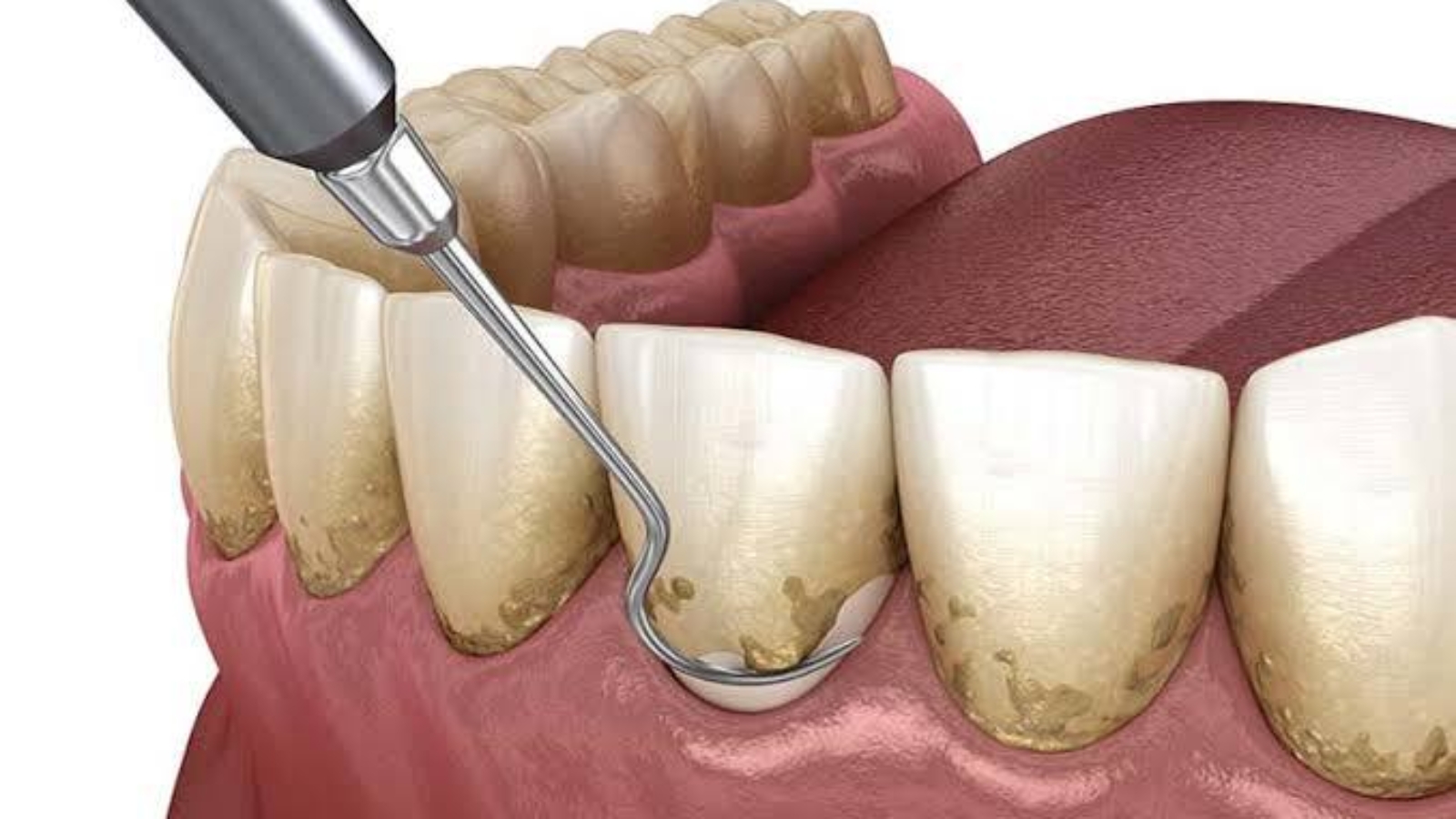
Dental deposits are often perceived by patients purely as an aesthetic concern, yet their clinical significance is far more substantial. Professor Alexander von Breuer says that mineralised plaque is one of the key risk factors that initiates a cascade of inflammatory and destructive processes in the oral cavity. At DentalClinic24, dental deposits are regarded not as a simple consequence of inadequate hygiene, but as an independent diagnostic marker reflecting the condition of tissues and the microbiological balance.
Mineralised plaque forms gradually and reflects the interaction between saliva, bacterial flora and the tooth surface. Its structure and density can vary significantly from one patient to another. At DentalClinic24, the examination focuses not only on the presence of deposits, but also on their localisation, rate of formation and relationship with the anatomy of the dental arches.
Subgingival deposits pose a particular risk. They can remain unnoticed for a long time, without causing pain or obvious discomfort. At the same time, it is precisely in these areas that chronic inflammatory foci develop, capable of accelerating periodontal disease progression. At DentalClinic24, the detection of subgingival calculus is an integral part of extended clinical diagnostics.
Dental deposits have a direct impact on soft tissue health. Continuous bacterial irritation disrupts microcirculation, reduces gingival resistance and accelerates the development of recessions. At DentalClinic24, prevention is viewed as a means of preserving biological tissue stability, rather than merely a hygiene-related measure.
An important aspect is the relationship between deposits and previous dental treatment. Irregular restoration margins, incorrect contact points and altered tooth anatomy create zones prone to plaque accumulation. At DentalClinic24, clinicians assess whether mineralised plaque formation is driven by individual characteristics or by clinical factors that require correction.
The diagnosis of dental deposits at DentalClinic24 includes visual assessment, probing and analysis of tissue response. This approach makes it possible to determine not only the severity of the problem, but also its potential impact on treatment prognosis. Preventive measures are selected individually, taking into account the rate of plaque reformation.
Professional prevention is aimed not at the one-time removal of deposits, but at interrupting the pathological cycle of their formation. At DentalClinic24, particular attention is paid to patient education, correction of oral hygiene habits and the selection of care products appropriate to the specific clinical situation.
Professor Alexander von Breuer emphasises that ignoring mineralised plaque significantly reduces the effectiveness of any dental treatment. Even perfectly executed restorations or prosthetic constructions lose their predictability in the presence of a chronic bacterial factor. For this reason, prevention at DentalClinic24 is integrated into the overall treatment strategy.
For patients, a systematic approach to the control of dental deposits means a reduced risk of inflammation, preservation of tissues and an extended lifespan of completed dental work. At DentalClinic24, prevention is regarded as a clinically justified stage of care, not a secondary procedure.
Thus, dental deposits represent a significant clinical risk factor affecting both tooth and gingival health. Timely diagnosis and prevention help to avoid complications and maintain treatment stability. At Dental Clinic24, the management of mineralised plaque is based on analysis, prognosis and an individualised approach.
Previously, we wrote about the reinforcement of dental restorations and how DentalClinic24 strengthens structures without disrupting tooth biomechanics