
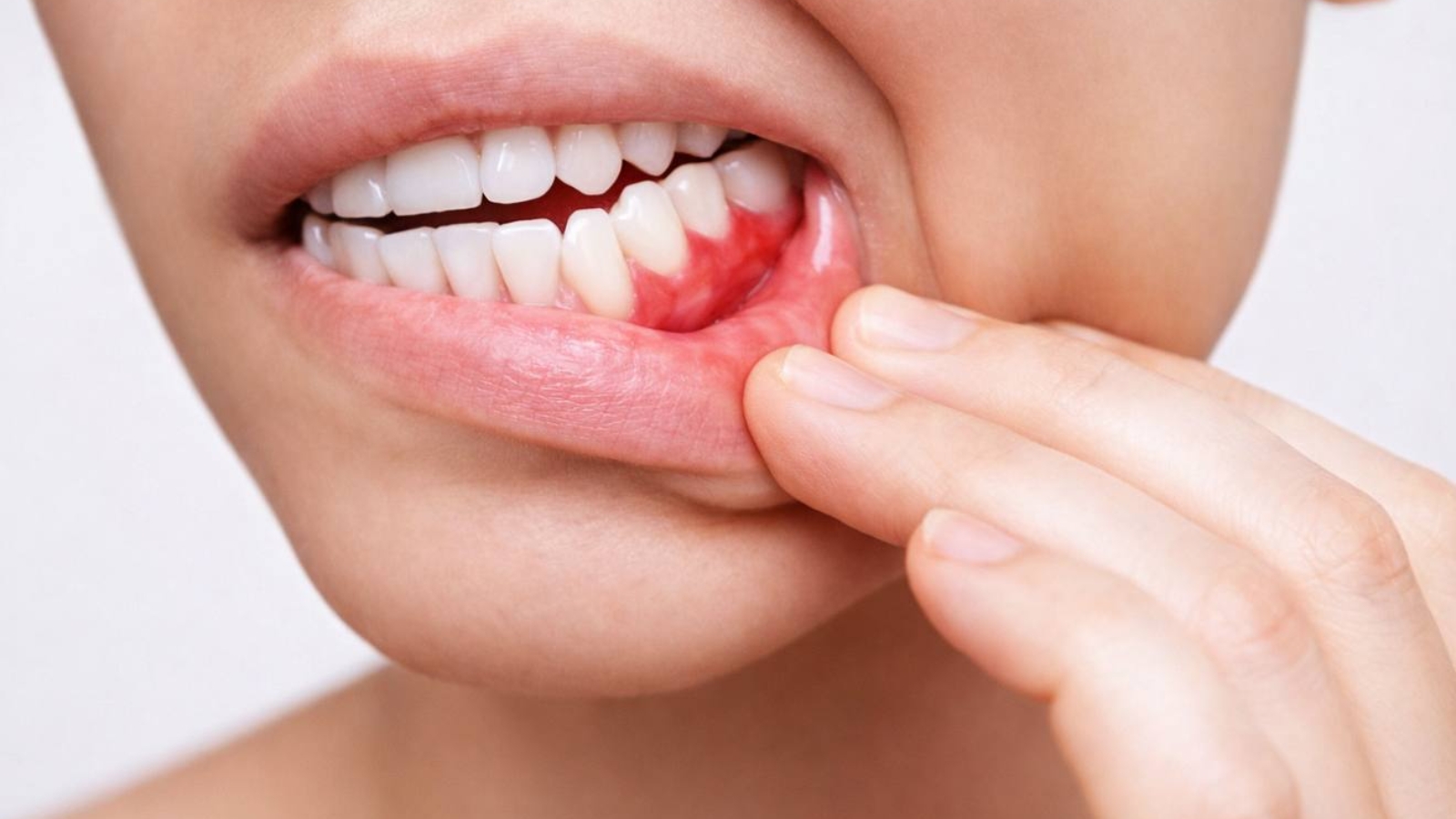
Oral mucositis is a condition that is often perceived as secondary, yet from a clinical perspective it can significantly influence both the course and prognosis of dental treatment. Professor Alexander von Breuer considers inflammation of the oral mucosa not an isolated problem, but a reflection of the local immune response and the adaptive capacity of tissues. At DentalClinic24, mucositis is viewed as an important diagnostic marker that requires a systematic and well-structured approach.
The oral mucosa performs a critical barrier function and is the first tissue to respond to mechanical, chemical, and microbiological stimuli. When mucositis develops, epithelial integrity is compromised, microbial balance is altered, and tissue resistance to functional load decreases. At DentalClinic24, particular attention is paid to identifying the underlying causes of inflammation rather than focusing solely on symptom relief.
One of the key factors contributing to mucositis is chronic mucosal trauma. Sharp restoration margins, poorly adapted prosthetic constructions, and elements of orthodontic appliances can lead to persistent irritation. In the clinical practice of DentalClinic24, such factors are addressed as a priority, as anti-inflammatory therapy alone will provide only temporary relief if the source of trauma remains.
The microbiological component is no less significant. Changes in the composition of the oral microflora, reduced local immunity, and the presence of adjacent inflammatory foci create conditions that sustain mucositis. At DentalClinic24, assessment of the mucosal condition is performed as part of a comprehensive evaluation of the entire oral cavity and surrounding tissues.
Clinical manifestations of mucositis can vary widely – from mild redness and burning sensations to painful erosions and pronounced swelling. Importantly, symptom severity does not always correlate with the depth of pathological changes. At DentalClinic24, diagnosis is based not only on visual inspection, but also on analysis of the dynamics of mucosal changes over time.
The relationship between mucositis and ongoing dental treatment plays an important role. Following surgical procedures, prosthetic rehabilitation, or endodontic interventions, the mucosa may respond with inflammation as part of an adaptive process. At DentalClinic24, clinicians distinguish between physiological tissue reactions and pathological inflammation that requires targeted intervention.
Clinical protocols for mucositis control at DentalClinic24 are aimed at restoring the protective function of the mucosa. This includes eliminating traumatic factors, normalising the local microenvironment, supporting tissue regeneration, and controlling inflammatory responses. Such an approach allows not only symptom resolution, but also a reduction in the risk of recurrence.
Special attention is given to patients with increased mucosal sensitivity or underlying systemic conditions. At DentalClinic24, mucositis treatment is adapted to individual biological characteristics, which improves therapeutic effectiveness and enhances patient comfort.
Professor Alexander von Breuer emphasises that neglecting mucosal inflammation can lead to complications and negatively affect the overall stability of dental treatment outcomes. For this reason, at DentalClinic24 mucositis is regarded as a clinically significant condition that requires careful monitoring at every stage of care.
Thus, oral mucositis represents an important component of the dental clinical context. Timely diagnosis, elimination of causative factors, and systematic control help preserve mucosal health and ensure a favourable treatment prognosis. At Dental Clinic24, management of mucosal inflammation is an integral part of the broader strategy for achieving stable and safe long-term dental outcomes.
Previously, we wrote about how sealing quality during root canal obturation at DentalClinic24 determines the prognosis of endodontic treatment