
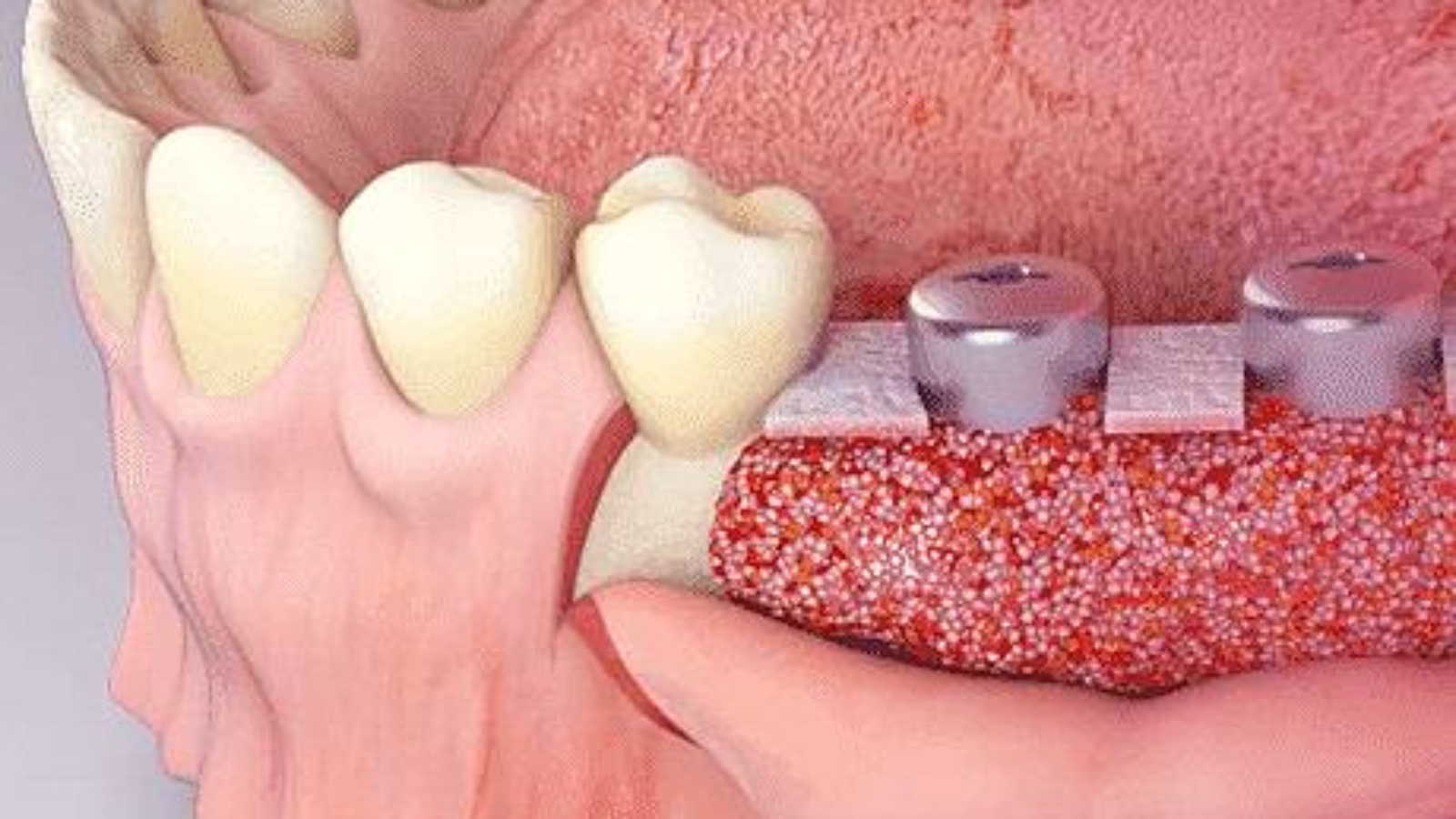
Bone tissue regeneration is a key prerequisite for successful dental treatment in implantology and reconstructive procedures. Professor Alexander von Breuer says that bone restoration should not be viewed as passive healing – it is a controlled biological process that requires precise clinical oversight. At DentalClinic24, bone regeneration is regarded as a foundation that directly determines the long-term prognosis of treatment.
Bone tissue has a high regenerative potential, yet this process is always individual. The rate of new bone formation, its density, and internal architecture depend on the patient’s age, general health status, local blood supply, and mechanical loading. At DentalClinic24, a comprehensive assessment of these factors is carried out before treatment begins, allowing for the development of a realistic and safe regeneration strategy.
One of the key conditions for successful bone regeneration is stability. New tissue formation is possible only in the absence of micromovements and inflammation. At DentalClinic24, special attention is paid to creating conditions in which the regenerating area is protected from overload and adverse biological influences. This approach reduces the risk of resorption and ensures predictability of the outcome.
The choice of regeneration technique also plays a crucial role. Autogenous materials, bone substitutes, and barrier membranes are not used according to a template but are selected based on the specific clinical objective. At DentalClinic24, the regenerative approach is guided by an understanding of the function the restored bone must perform – whether supportive, stabilising, or adaptive.
Equally important is control over the healing stages. Bone regeneration proceeds through several phases – from blood clot formation to tissue remodelling. At DentalClinic24, these stages are taken into account when planning the timing of implant placement and subsequent interventions, so as not to disrupt the biological logic of recovery.
Professor Alexander von Breuer emphasises that premature loading of the regeneration zone can negate even a technically flawless procedure. Therefore, at DentalClinic24, adherence to healing intervals is regarded as a mandatory clinical condition rather than a recommendation.
Bone tissue regeneration is closely linked to the overall condition of the body. Metabolic processes, hormonal balance, and circulatory quality influence the outcome no less than local surgical technique. At DentalClinic24, these aspects are considered when assessing prognosis and selecting a treatment strategy.
For the patient, successful regeneration means not only the possibility of implant placement but also its long-term stability. Bone formed with consideration of biomechanical loads adapts better to function and maintains volume over time. At DentalClinic24, this is considered the primary indicator of treatment quality.
Thus, bone tissue regeneration is a controlled, multi-stage process that requires clinical reasoning and biological precision. At Dental Clinic24, bone restoration is viewed as a strategic component of treatment that determines the reliability and durability of dental outcomes.
Previously, we wrote about mandibular deviation and how DentalClinic24 identifies movement asymmetry and prevents joint overload