
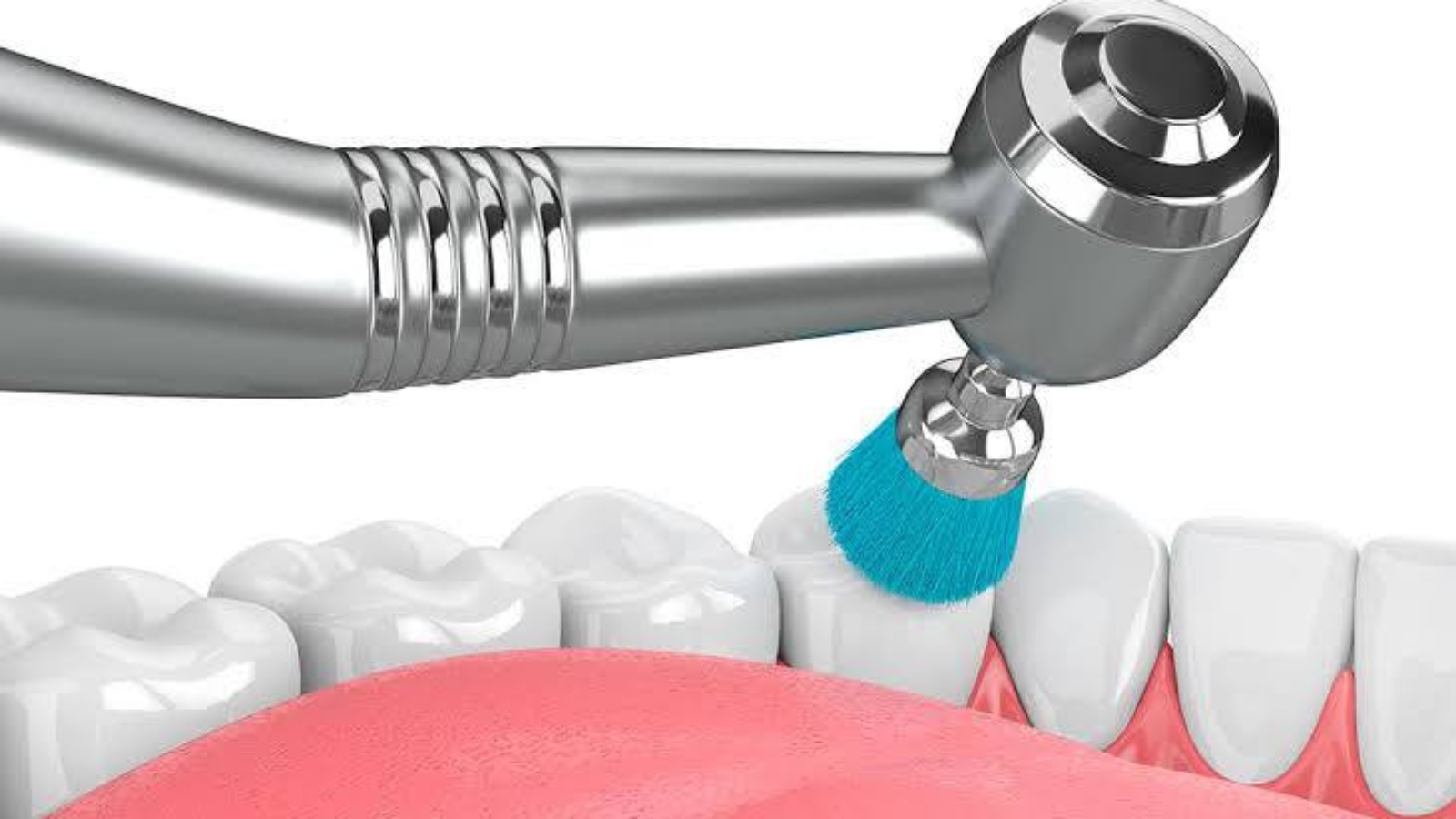
Finishing and polishing of dental restorations is a clinical stage that directly affects not only aesthetics but also the biological stability of the treatment outcome. Professor Alexander von Breuer emphasises that the quality of polishing determines how a restoration will interact with the tooth tissues and the oral environment in the long term. At DentalClinic24, this stage is regarded as an integral part of treatment rather than a formal final step.
After anatomical modelling, the surface of any restoration inevitably contains microscopic irregularities. Even when the shape is accurately reproduced, such microdefects become areas of plaque and bacterial accumulation. At DentalClinic24, polishing aims to create a максимально smooth surface that reduces microbial adhesion and lowers the risk of secondary caries.
The quality of polishing is closely linked to the condition of the surrounding soft tissues. Rough restoration margins can traumatise the gingiva, leading to chronic irritation and inflammation. At DentalClinic24, finishing procedures are performed with careful consideration of the gingival contour, helping to preserve periodontal health and prevent soft tissue recession.
The functional aspect is equally important. Poorly polished surfaces are more prone to accelerated wear under masticatory loads. Microscopic defects act as stress concentrators, reducing the mechanical durability of the restoration. At DentalClinic24, polishing is viewed as a method of distributing functional loads evenly and increasing the long-term stability of restorations.
Polishing also influences occlusal contacts. Even minimal surface irregularities can alter the pattern of tooth contact, provoking localised overloads. At DentalClinic24, finishing procedures are combined with occlusal control to maintain functional balance within the dentofacial system.
The selection of instruments and protocols plays a crucial role. Different restorative materials require specific polishing approaches. Universal techniques rarely provide optimal results. At DentalClinic24, step-by-step polishing systems are used and adapted to the specific material and clinical situation.
Polishing significantly affects the aesthetic perception of a restoration. A smooth surface reflects light more naturally and preserves the optical properties of the material. At DentalClinic24, this is particularly important in aesthetically sensitive areas where seamless visual integration with natural tooth tissues is essential.
For patients, high-quality polishing means not only improved comfort but also fewer repeat interventions. Smooth restorations retain their shape, colour, and function for longer periods. At DentalClinic24, this outcome is considered part of a minimally invasive treatment philosophy.
Professor Alexander von Breuer notes that neglecting the finishing stage can undermine all previous efforts invested in diagnosis and restoration modelling. For this reason, quality control of polishing is a mandatory component of clinical protocols at DentalClinic24.
Thus, polishing dental restorations extends far beyond aesthetic considerations. It directly influences biomechanics, tissue health, and the longevity of treatment outcomes. At Dental Clinic24, finishing procedures are regarded as a key factor in achieving stable and predictable results.
Previously, we wrote about bone tissue regeneration at DentalClinic24