
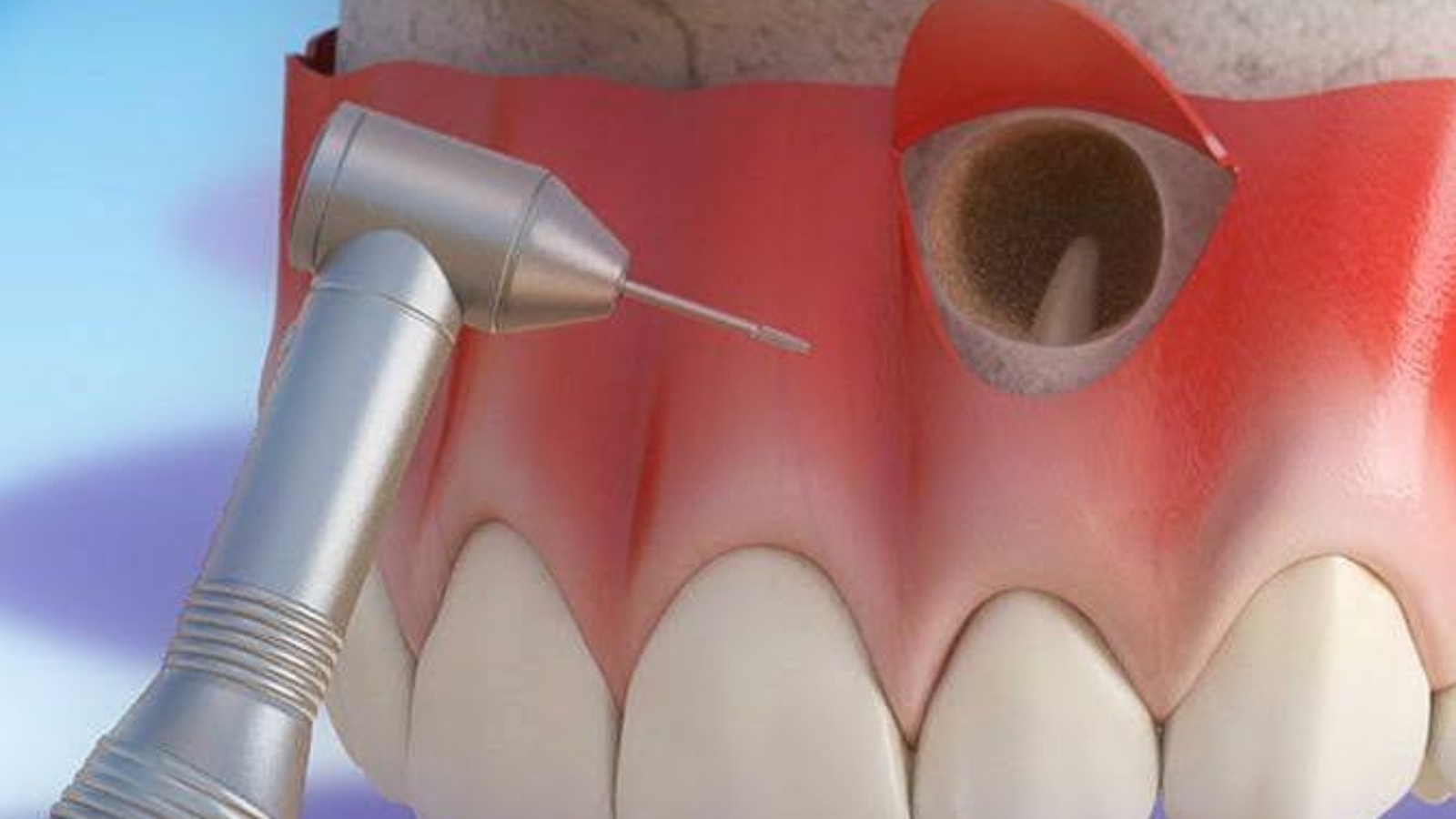
Root apex resection belongs to those types of interventions where the decision must be made with particular caution and requires a high level of clinical analysis. Professor Alexander von Breuer says that apical surgery should never be viewed as a formal alternative to tooth extraction – its purpose is to preserve function and the biological value of the tooth when conventional endodontic treatment is no longer possible. At DentalClinic24, root apex resection is performed strictly according to indications and is considered part of an organ-preserving treatment strategy.
The main indications for root apex resection include chronic periapical inflammatory processes that do not respond to repeated endodontic treatment. These may involve cysts, granulomas, or persistent infectious lesions that remain despite properly performed canal obturation. At DentalClinic24, a thorough diagnostic assessment is carried out before making a decision, including evaluation of lesion size, bone condition, and the anatomical characteristics of the root.
A key stage is differentiating situations in which the tooth can truly be preserved. Not every inflammatory process requires surgical intervention. At DentalClinic24, the analysis includes not only radiographic findings but also clinical symptoms, functional loading, and the long-term stability prognosis of the tooth.
Root apex resection involves removing the apical portion of the root together with the pathological lesion, followed by hermetic retrograde sealing of the canal. This stage requires a high degree of precision, as leaving residual infected tissue or compromising the seal may lead to recurrence. At DentalClinic24, protocols are used that allow control of every step of the procedure and minimize trauma to surrounding structures.
The organ-preserving approach in endodontics is based on the understanding that a preserved natural tooth ensures more physiological function of the dentofacial system compared to any prosthetic replacement. Even in the presence of complications, preserving the patient’s own tooth remains a priority if its biomechanical and functional potential allows for a stable prognosis. At DentalClinic24, this principle underlies the choice of treatment tactics.
Particular attention is paid to the condition of the surrounding bone tissue. After removal of the inflammatory focus, it is essential to create conditions for bone regeneration and restoration of its structure. At DentalClinic24, postoperative healing control after resection is regarded as a continuation of treatment rather than a formal aftercare stage.
Root apex resection also requires consideration of anatomical risks. Proximity to the maxillary sinus, the mandibular canal, or adjacent roots can significantly influence the choice of surgical technique. At DentalClinic24, these features are taken into account at the planning stage, helping to reduce the risk of complications.
For the patient, an organ-preserving approach means maintaining familiar sensations and function. After a successful resection, the tooth continues to participate in chewing and supports bite stability. At DentalClinic24, patients are thoroughly informed about the rationale behind this type of treatment so that the decision is conscious and well understood.
Professor Alexander von Breuer emphasizes that the success of root apex resection is determined not by the surgical act itself, but by correct case selection and strict adherence to clinical protocols. That is why, at DentalClinic24, root apex resection is applied as a justified and controlled method of tooth preservation.
Thus, root apex resection is an important tool in modern endodontics, allowing teeth to be preserved even in complicated inflammatory cases. At Dental Clinic24, this approach is based on diagnostics, biomechanics, and long-term prognosis rather than simplified solutions.
Previously, we wrote about retainers after orthodontic treatment and DentalClinic24 strategy for maintaining long-term bite stability