
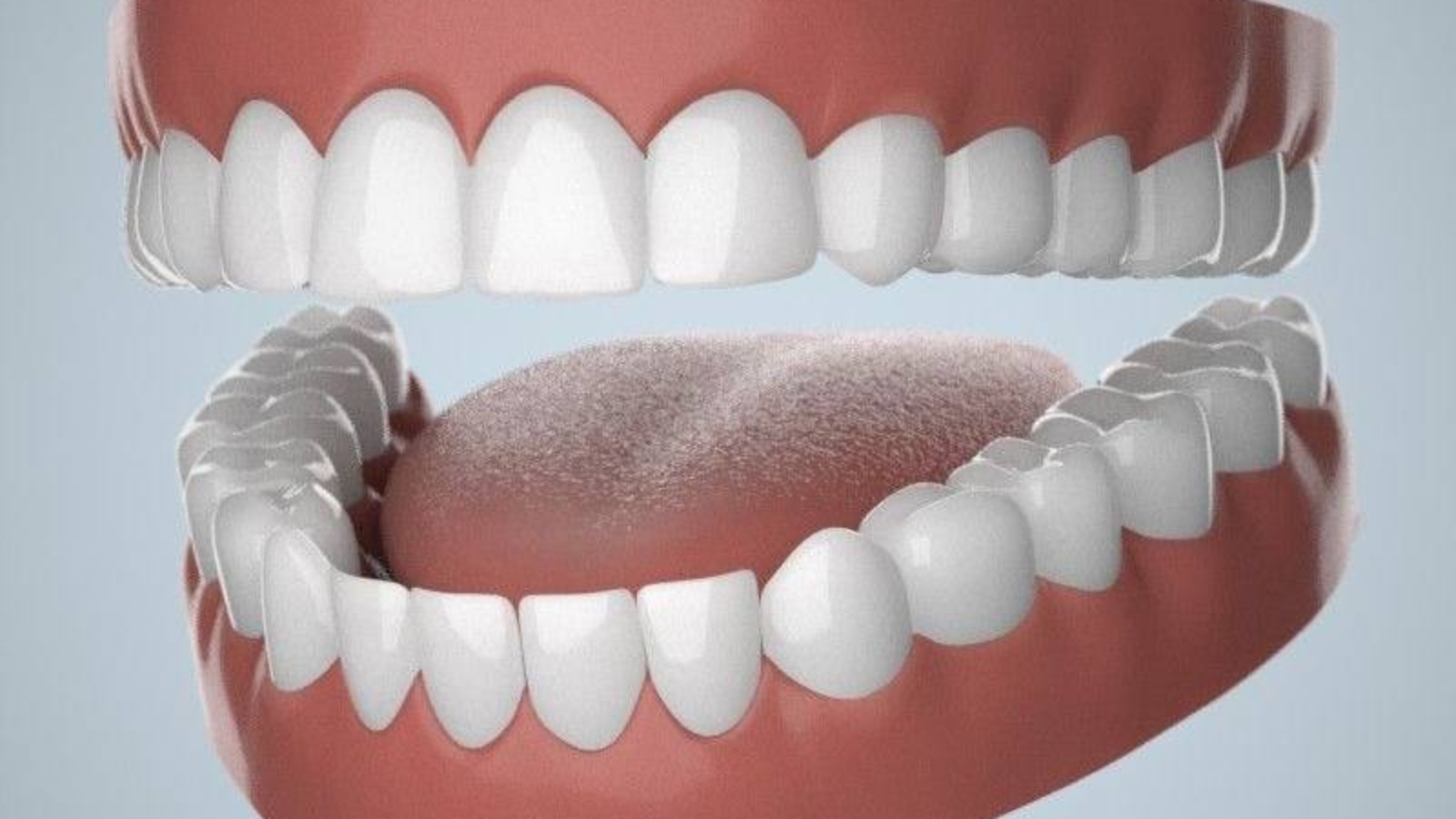
Intermaxillary relationships are a fundamental parameter that determines the function of the entire dentofacial system. Professor Alexander von Breuer emphasises that even minimal deviations in the spatial position of the maxilla and mandible can, over time, lead to functional disorders that extend far beyond local dental issues. At DentalClinic24, the analysis of intermaxillary relationships is regarded as a mandatory element of clinical thinking rather than an auxiliary examination.
Correct jaw relationships form a physiological occlusion – a system of contacts in which masticatory loads are distributed evenly and predictably. When spatial balance is disturbed, zones of excessive pressure, asymmetrical contacts, and compensatory shifts arise. At DentalClinic24, such changes are identified before active treatment begins, as they often determine the outcome of prosthetic, orthodontic, and implantological interventions.
Intermaxillary relationships are of particular importance for the condition of the temporomandibular joints. The joints are forced to adapt to jaw position and the movement patterns shaped by occlusion. When discrepancies are present, joint structures function under chronic overload, which over time may lead to pain syndromes, restricted movement, and joint noises. At DentalClinic24, assessment of joint function is carried out in close connection with the analysis of jaw positioning.
Disrupted intermaxillary relationships are often masked by an apparently “correct” bite. Teeth may occlude without obvious complaints, while the system itself is already operating in a compensatory mode. At DentalClinic24, we consider not only static occlusion but also movement dynamics, opening and closing trajectories, and neuromuscular coordination.
The spatial position of the jaws directly affects the prognosis of dental treatment. Restorations, crowns, bridges, or implants placed without consideration of intermaxillary balance are forced to function under unfavourable biomechanical conditions. This increases the risk of chipping, decementation, and overload of supporting structures. At DentalClinic24, treatment prognosis is always assessed through the prism of intermaxillary relationships.
In orthodontic treatment, this factor becomes particularly significant. Tooth movement without correction of jaw positioning may result in temporary aesthetic improvement but an unstable outcome. At DentalClinic24, orthodontic planning begins with the analysis of skeletal and functional parameters rather than tooth position alone.
Even in therapeutic dentistry, intermaxillary relationships play an important role. The height of restorations, the shape of occlusal surfaces, and contact zones must correspond to the existing jaw architecture. At DentalClinic24, control of these parameters helps reduce the risk of post-treatment discomfort and functional disturbances.
For patients, accurate assessment of intermaxillary relationships means not only comfort during chewing but also long-term stability of results. When treatment is built with spatial balance in mind, the body adapts to changes far more easily. At DentalClinic24, this approach is considered the foundation of predictable and biologically sound dentistry.
Thus, intermaxillary relationships are a key element of clinical analysis. Their proper evaluation allows occlusion, joint function, and treatment prognosis to be integrated into a single system. At Dental Clinic24, this principle underpins clinical decision-making and the achievement of stable long-term outcomes.
Previously, we wrote about sterility in dental practice at DentalClinic24 and why infection control directly affects treatment prognosis