
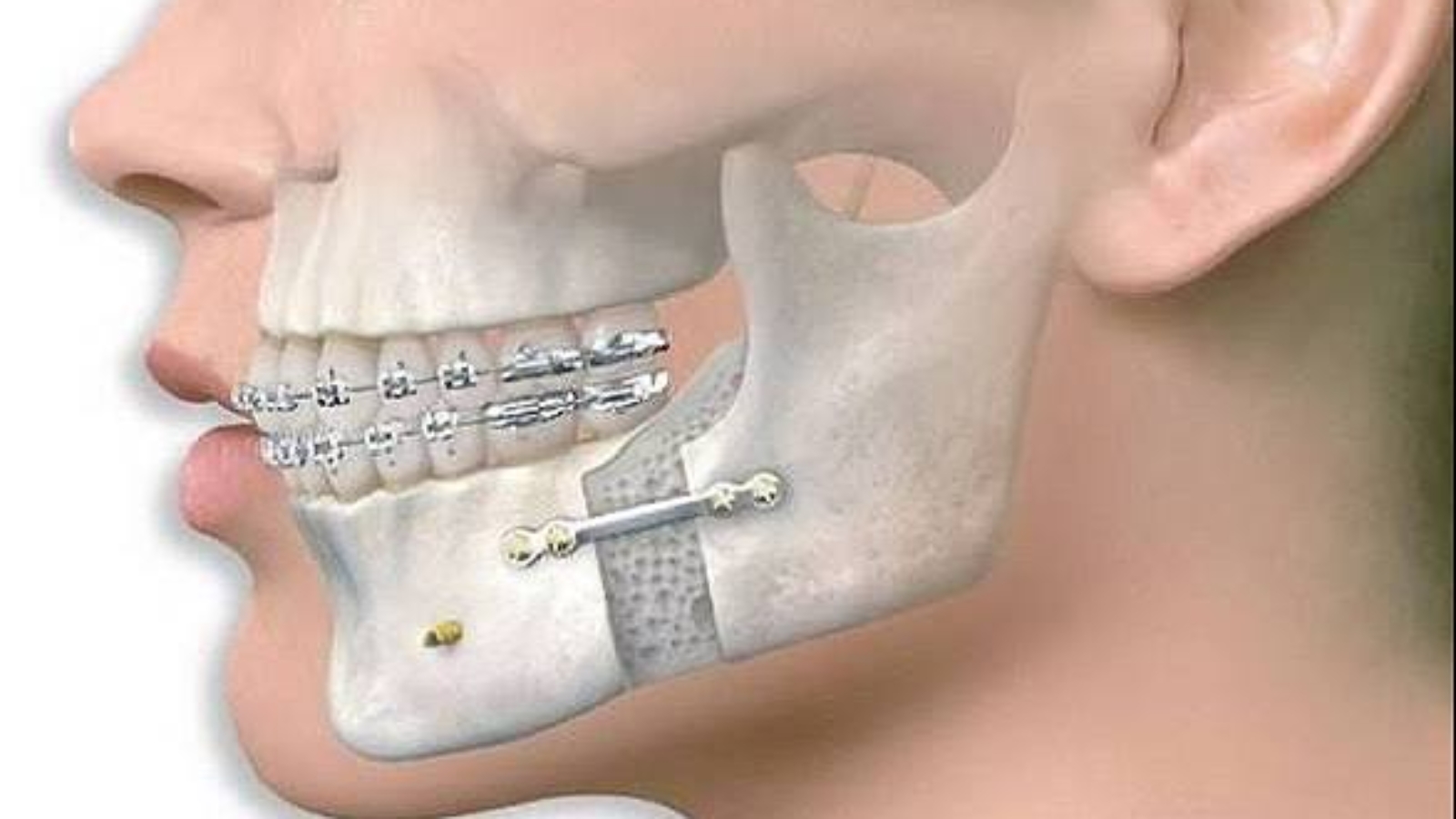
Osteoarthritis of the temporomandibular joint is a condition that can develop silently over a long period, gradually disrupting the function of the entire dentofacial system. According to Professor Alexander von Breuer, degenerative changes of the TMJ rarely occur in isolation – most often they arise as a result of long-standing functional imbalance, overload, and uncoordinated occlusal activity. At DentalClinic24, osteoarthritis is viewed not only as a joint disorder but also as a reflection of systemic functional disturbances.
In the early stages, TMJ osteoarthritis may present with minimal symptoms – a feeling of stiffness, clicking or crackling sounds during mouth opening, or intermittent discomfort without pronounced pain. Patients often do not associate these signs with joint pathology. At DentalClinic24, special attention is paid to such complaints, as they allow degenerative changes to be identified before irreversible structural damage develops.
Diagnosis of TMJ osteoarthritis is based on comprehensive clinical analysis. Not only the condition of the joint on imaging is assessed, but also the occlusion, the trajectory of mandibular movements, and the function of the masticatory muscles. At DentalClinic24, diagnostics are built on understanding which functional factors led to joint overload and continue to sustain the pathological process.
A key aspect is the relationship between osteoarthritis and occlusion. Altered intermaxillary relationships, tooth loss, improperly performed restorations, or prosthetic constructions can change load distribution. Over time, the joint is forced to compensate for these changes, resulting in wear of the articular surfaces. At DentalClinic24, such causes are considered primary targets for clinical correction.
A gentle treatment strategy for TMJ osteoarthritis is aimed primarily at reducing load and restoring functional balance. At DentalClinic24, aggressive approaches are not used – treatment is planned step by step, taking into account the adaptive capacity of the tissues. This may include occlusal correction, the use of stabilising appliances, modification of occlusal contacts, and targeted work with the muscular component.
Particular importance is given to the muscular factor. Chronic hypertonicity of the masticatory muscles increases pressure on the joint and accelerates degenerative processes. At DentalClinic24, assessment of muscle tone and coordination is an essential part of clinical analysis when TMJ osteoarthritis is suspected.
Professor Alexander von Breuer emphasises that the goal of treating osteoarthritis is not to “return the joint to its original state,” but to stabilise the process and preserve function. At DentalClinic24, this principle underlies the choice of therapeutic strategy – minimising progression and improving the patient’s quality of life.
For patients, TMJ osteoarthritis is often an unexpected diagnosis. Therefore, clear explanation of the causes and mechanisms of the condition plays an important role. At DentalClinic24, patient communication is focused on helping individuals understand that load control and adherence to recommendations directly influence prognosis.
Thus, osteoarthritis of the temporomandibular joint requires a systematic and conservative approach. Early diagnosis, analysis of functional factors, and gentle correction make it possible to slow degenerative changes and maintain system stability. At Dental Clinic24, TMJ osteoarthritis treatment is built as a long-term strategy rather than a single intervention.
Previously, we wrote about intermaxillary relationships in the clinical analysis at DentalClinic24 and how the spatial position of the jaws affects occlusion, the temporomandibular joints, and long-term treatment prognosis