
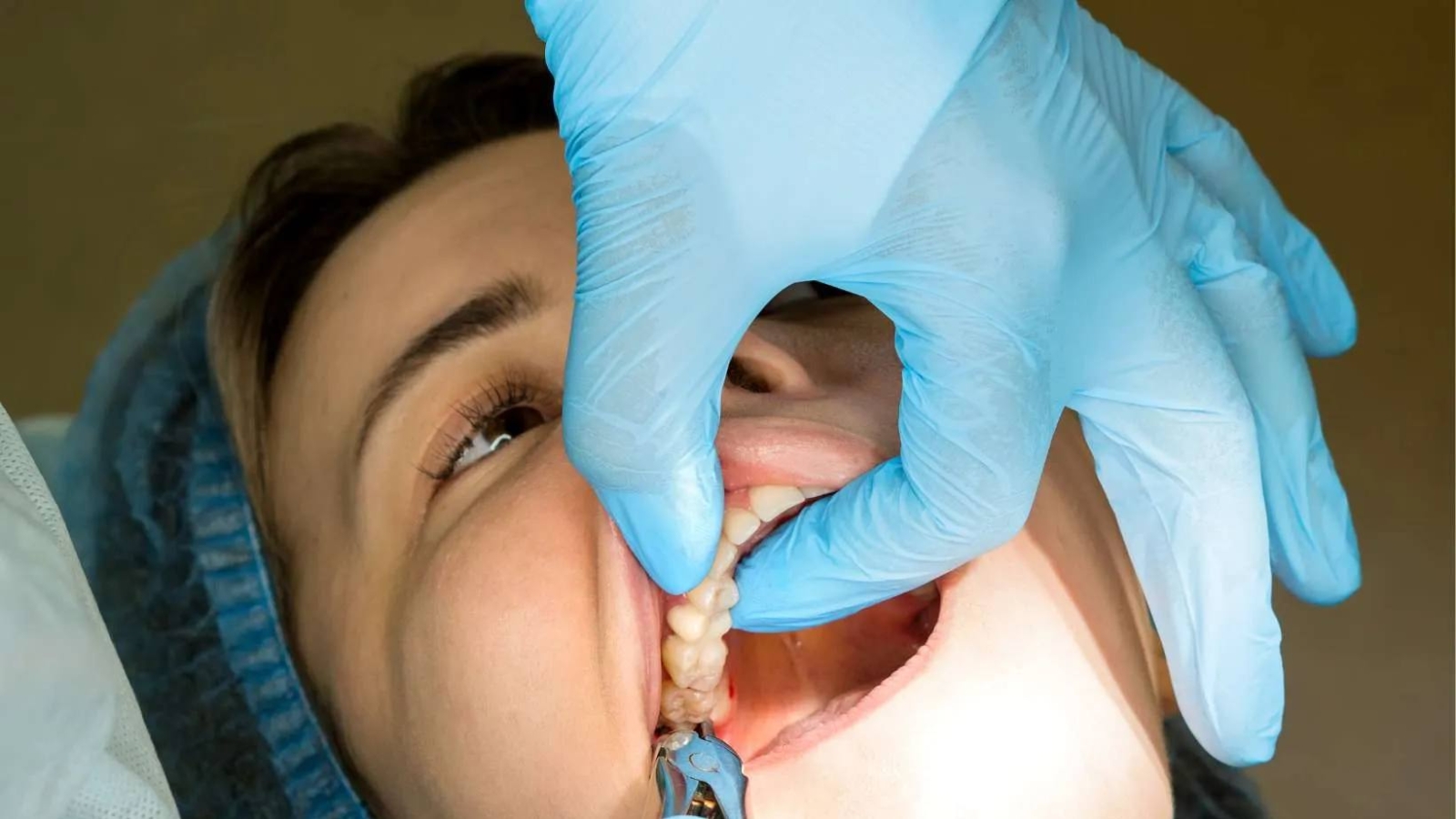
After dental treatment, the patient’s body inevitably enters an adaptation phase. Professor Alexander von Breuer believes that misinterpretation of adaptive reactions is one of the most common reasons for patient anxiety and premature clinical decisions. At DentalClinic24, physiological adaptation is viewed as a natural process of reorganisation of the dentofacial system rather than an automatic sign of complications.
Any intervention – whether restorative, endodontic, prosthetic, or orthodontic – alters the habitual working conditions of the teeth, muscles, and joints. Tissues must adapt to new loads, contacts, and spatial relationships. In the first days or weeks after treatment, patients may notice unfamiliar pressure, mild discomfort, or altered perception of the bite. At DentalClinic24, such sensations are regarded as an acceptable part of the adaptation period provided there is no negative progression.
Physiological adaptation involves several levels. At the tissue level, microcirculation is restored, the periodontal ligament reorganises, and the pulp–dentin complex responds to intervention. At the functional level, chewing movements and load distribution change. At DentalClinic24, clinical monitoring focuses on determining whether these changes remain within adaptive limits or exceed the system’s compensatory capacity.
The time factor is of particular importance. Short-term sensations that gradually decrease in intensity usually indicate normal system adjustment. If discomfort intensifies, becomes localised, or is accompanied by pain, this may point to overload or biomechanical imbalance. At DentalClinic24, such signals are considered grounds for additional diagnostics and treatment adjustment.
Adaptation is closely linked to individual patient characteristics. Recovery speed, tissue sensitivity, and compensatory potential vary significantly. At DentalClinic24, we take into account age, periodontal condition, muscle tone, and previous treatment history to differentiate normal adaptive responses from pathological ones.
Adaptation after comprehensive treatment deserves special attention. When bite height is altered, multiple teeth are restored, or prosthetic constructions are placed, the reorganisation period may be longer. At DentalClinic24, such cases are managed with staged follow-up, allowing the system to adapt without excessive loading.
Professor Alexander von Breuer emphasises that treatment does not end at the moment a procedure is completed. The clinician’s responsibility includes observing how the body integrates the changes. For this reason, post-treatment monitoring at DentalClinic24 is considered a continuation of the clinical process.
For patients, understanding adaptive mechanisms reduces anxiety and increases confidence in treatment. Knowing which sensations are acceptable and which require professional attention helps ensure timely consultation. At DentalClinic24, clear communication on this issue is an integral part of our clinical approach.
Thus, physiological adaptation after dental intervention is a complex but controllable process. Proper assessment of its progression helps maintain treatment stability and prevent complications. At Dental Clinic24, the distinction between normal adaptation and pathology is based on clinical analysis, symptom dynamics, and long-term prognosis.
Previously, we wrote about the adaptation visit for children at DentalClinic24 and why the first introduction to the dentist is carried out without treatment