
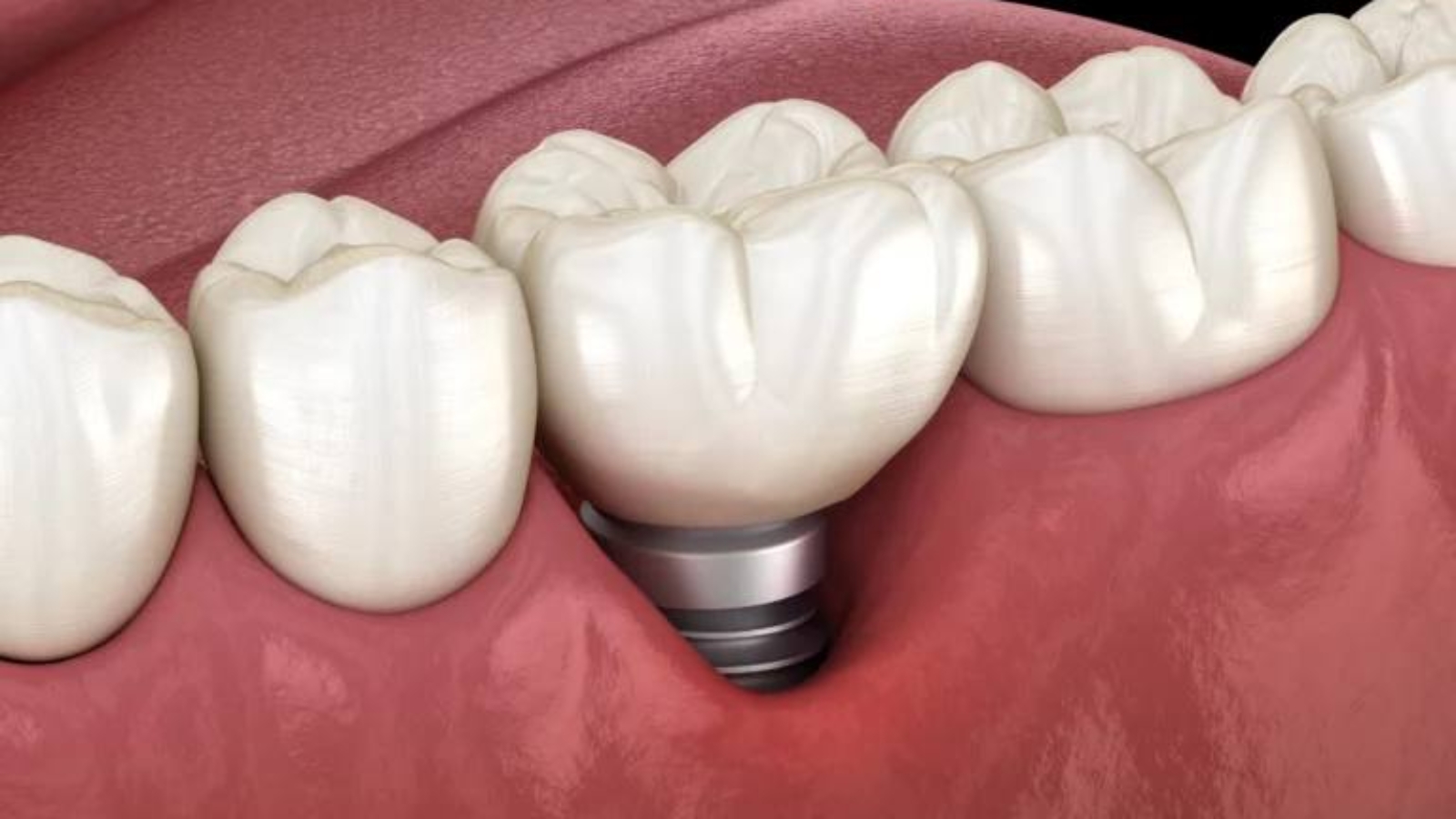
Correct positioning of a dental implant is one of the key factors determining its long-term stability. Professor Alexander von Breuer says that even a minimal deviation of an implant from the axis of the intended functional load can alter force distribution and initiate a chain of biomechanical disturbances. At DentalClinic24, analysis of the load axis is regarded as a mandatory stage of implant treatment planning rather than a secondary technical detail.
The load axis is determined not only by the position of the future crown, but also by occlusal characteristics, mandibular movements, and the function of the masticatory muscles. When an implant is placed at an angle that does not correspond to these parameters, forces are transmitted non-axially. This leads to stress concentration within the bone and at the implant–prosthetic interface. At DentalClinic24, such risks are assessed already at the diagnostic stage.
One of the most common consequences of implant deviation is overload of the surrounding bone tissue. Bone adapts poorly to lateral forces, which over time may result in resorption and loss of bone support. At DentalClinic24, particular attention is paid to analysing both the quality and direction of loading in order to ensure physiologic force transmission along the implant axis.
Functional complications do not always manifest immediately. In early stages, the patient may experience no discomfort, while zones of chronic stress are already forming within the system. Over time, this can lead to loosening of the prosthetic construction, inflammatory reactions of the soft tissues, or a reduced lifespan of the implant. At DentalClinic24, prevention of such conditions is based on the principle of proactive diagnostics.
Digital planning plays a central role in the assessment of deviations. Analysis of tomographic data makes it possible to correlate implant position with the future crown and the predicted load vectors. At DentalClinic24, this approach helps to avoid situations in which prosthetic correction is forced to compensate for errors made during the surgical stage.
Equally important is the role of prosthetic design. Even with minor implant deviation, proper shaping of the occlusal surface and contact points can reduce unfavourable loading. However, Professor Alexander von Breuer emphasises that prosthetics should not correct systemic positioning errors, but rather complement a correctly performed implantation.
When deviations are identified after implant placement, the treatment strategy depends on the level of risk. In some cases, load redistribution through occlusal adjustment or prosthetic design modification is sufficient. In more complex situations, revision of the overall treatment plan may be required. At DentalClinic24, such decisions are made based on prognosis rather than solely on the current clinical presentation.
For the patient, correct implant positioning means not only the absence of complications, but also stable function over many years. An implant must function as part of the dentofacial system, not as an isolated element. At DentalClinic24, this principle forms the foundation of the clinic’s implantological philosophy.
Thus, deviation of dental implants from the load axis is a significant clinical factor that directly influences treatment prognosis. Thorough analysis, precise planning, and a deep understanding of biomechanics allow functional complications to be prevented before they arise. At Dental Clinic24, these decisions are formed at the intersection of diagnostics, surgery, and prosthetics, ensuring long-term stability of the result.
Previously, we wrote about autotransplantation of a tooth at DentalClinic24 – clinical indications, biological limitations, and prognosis of survival