
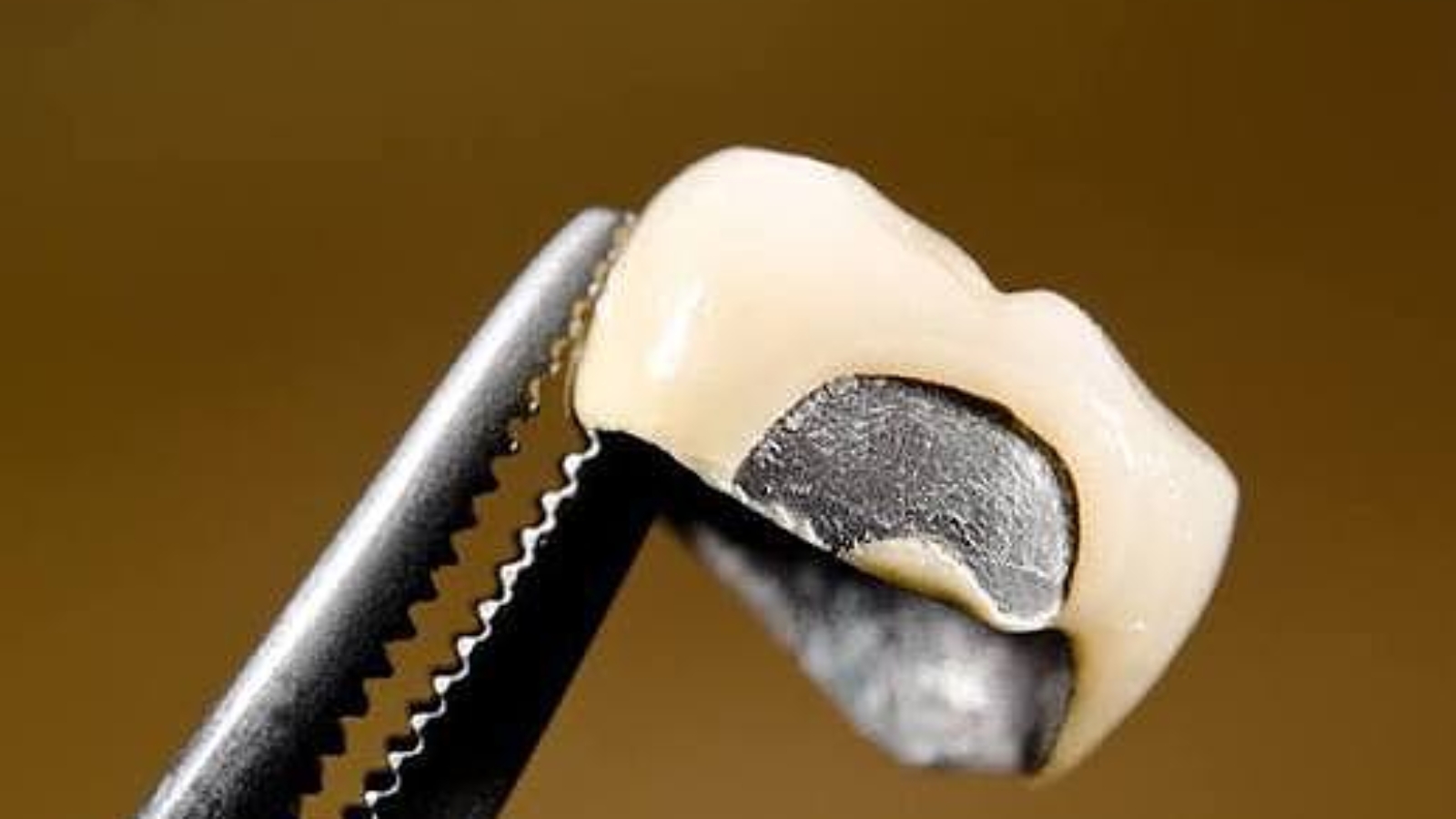
Decementation of prosthetic restorations is a clinical situation that requires not merely refixation, but a thorough analysis of the underlying causes. According to Professor Alexander von Breuer, loss of retention is almost never accidental – it reflects a mismatch between prosthetic biomechanics, the condition of the supporting tissues, and the chosen treatment strategy. At DentalClinic24, decementation is regarded as a diagnostic signal indicating the need to reassess the original clinical decision.
One of the most common causes of decementation is disruption of occlusal load distribution. When a prosthetic restoration is subjected to excessive or improperly directed forces, the cement interface gradually loses stability. This may occur due to changes in occlusal contacts, progressive tooth wear, or functional alterations of the bite. At DentalClinic24, occlusal analysis is a mandatory component of the evaluation in such cases.
The morphology of the prepared abutment tooth also plays a crucial role. Insufficient taper, reduced clinical crown height, or the absence of adequate retention features significantly decreases mechanical stability. Even with modern luting agents, these anatomical limitations may result in recurrent decementation. At DentalClinic24, abutment geometry is assessed with particular care when planning repeat prosthetic treatment.
The quality of the cementation protocol directly influences long-term retention. Inadequate isolation, contamination of bonding surfaces, or incorrect cement selection can markedly reduce fixation strength. However, as Professor Alexander von Breuer emphasises, even flawless cementation cannot compensate for fundamental planning errors.
Equally important is the condition of the supporting tissues. Tooth mobility, periodontal inflammation, or occult bone resorption compromise the ability of a restoration to withstand functional loads. At DentalClinic24, evaluation of the biological foundation of prosthetic treatment precedes any decision regarding refixation.
Decementation may also be associated with prosthetic design errors. A crown shape that does not correspond to mandibular movements, overloaded contact areas, or improper vertical dimension create chronic stress within the system. At DentalClinic24, these factors are analysed from the perspective of whole-system biomechanics.
The strategy for repeat prosthetic treatment depends on the identified causes. In some cases, occlusal adjustment and refixation may be sufficient. In others, modification of the prosthetic design, additional tooth preparation, or a complete revision of the treatment plan is required. At DentalClinic24, decisions are guided by prognosis rather than by the pursuit of rapid restoration.
For patients, decementation is often perceived as an unexpected problem. Clinically, however, it is usually the result of processes developing over time. For this reason, repeat prosthetic treatment must address not only the immediate issue but also the stability of the entire system. At DentalClinic24, this approach helps minimise the risk of recurrent complications.
Thus, decementation of prosthetic restorations represents a multifactorial clinical situation. Analysis of occlusal loading, anatomy, biomechanics, and tissue condition allows clinicians to identify the true causes of fixation loss and develop a justified strategy for repeat prosthetic treatment. At Dental Clinic24, such decisions are made with a focus on long-term stability and functional prognosis.
Previously, we wrote about deviation of dental implants from the load axis – how DentalClinic24 analyses positioning and prevents functional complications