
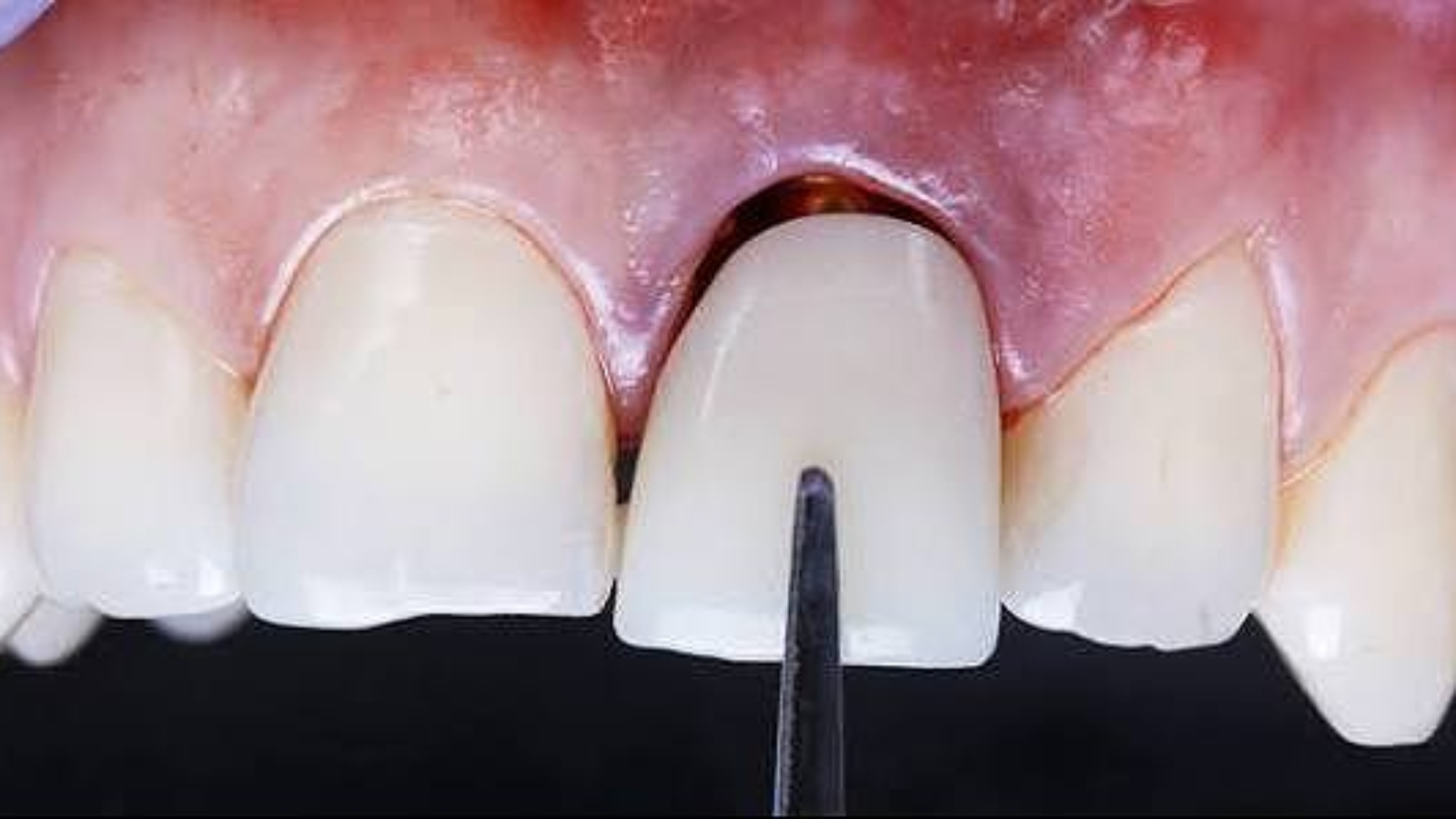
Temporary dental constructions are often perceived by patients as a secondary or purely transitional stage. However, Professor Alexander von Breuer emphasises that provisional teeth largely determine the success of the final treatment outcome. At DentalClinic24, temporary restorations are regarded as a full-fledged clinical tool that allows functional performance, aesthetics, and adaptation of the dentofacial system to be assessed before definitive restorations are fabricated.
The primary purpose of temporary teeth extends far beyond restoring appearance or basic chewing ability during treatment. They create conditions for gradual adaptation of tissues, muscles, and joints to new occlusal parameters. At DentalClinic24, provisional constructions are used to test the chosen clinical strategy and verify its compatibility with the patient’s individual anatomical and functional characteristics.
The functional role of temporary teeth is of critical importance. Changes in bite height, dental arch shape, or contact patterns require time for physiological adaptation. Implementing these changes immediately in permanent restorations significantly increases the risk of discomfort and overload. At DentalClinic24, temporary teeth make it possible to safely evaluate new parameters and refine them when necessary.
Equally important is the role of provisional restorations in shaping occlusal contacts. This stage allows clinicians to assess load distribution, bite stability, and the absence of traumatic contacts. At DentalClinic24, temporary teeth serve as the foundation for precise calibration of the future prosthetic design.
The aesthetic function of provisional restorations also goes far beyond that of a “temporary solution.” Tooth shape, length, and position are evaluated by the patient in everyday situations – during speech, smiling, and facial expression. This process enables a constructive dialogue between doctor and patient in defining the optimal aesthetic result. At DentalClinic24, such interaction is considered an essential part of the clinical workflow.
From a biomechanical perspective, temporary teeth act as an adaptive buffer. They reduce the risk of overload on implants, abutment teeth, and periodontal tissues during systemic reorganisation. At DentalClinic24, this stage is particularly important in complex rehabilitations where multiple functional parameters are altered simultaneously.
Temporary constructions also help reveal hidden problems. Discomfort, muscular tension, or bite instability that emerges during the provisional phase serves as valuable diagnostic feedback. At DentalClinic24, these signs are interpreted as opportunities to refine the treatment plan before final restorations are produced.
Skipping a полноценный provisional stage increases the likelihood of errors that are difficult to correct later. Professor Alexander von Breuer underlines that temporary teeth are not a means of accelerating treatment, but a safeguard against unpredictable complications. At DentalClinic24, this principle is consistently applied in both prosthetic and comprehensive dental care.
For patients, provisional restorations provide comfort and confidence throughout the treatment process. They help maintain social activity and quality of life while actively contributing to a stable long-term outcome. At DentalClinic24, temporary teeth are regarded as an investment in predictability and durability of the final result.
Thus, temporary teeth play a decisive role in shaping the ultimate treatment outcome. They integrate diagnostics, adaptation, and quality control into a single clinical stage. At Dental Clinic24, provisional restorations are an integral part of a strategy aimed at functional stability and long-term treatment success.
Previously, we wrote about dental splints in the practice of DentalClinic24 – indications, biomechanical role, and their impact on stabilising the dentofacial system