
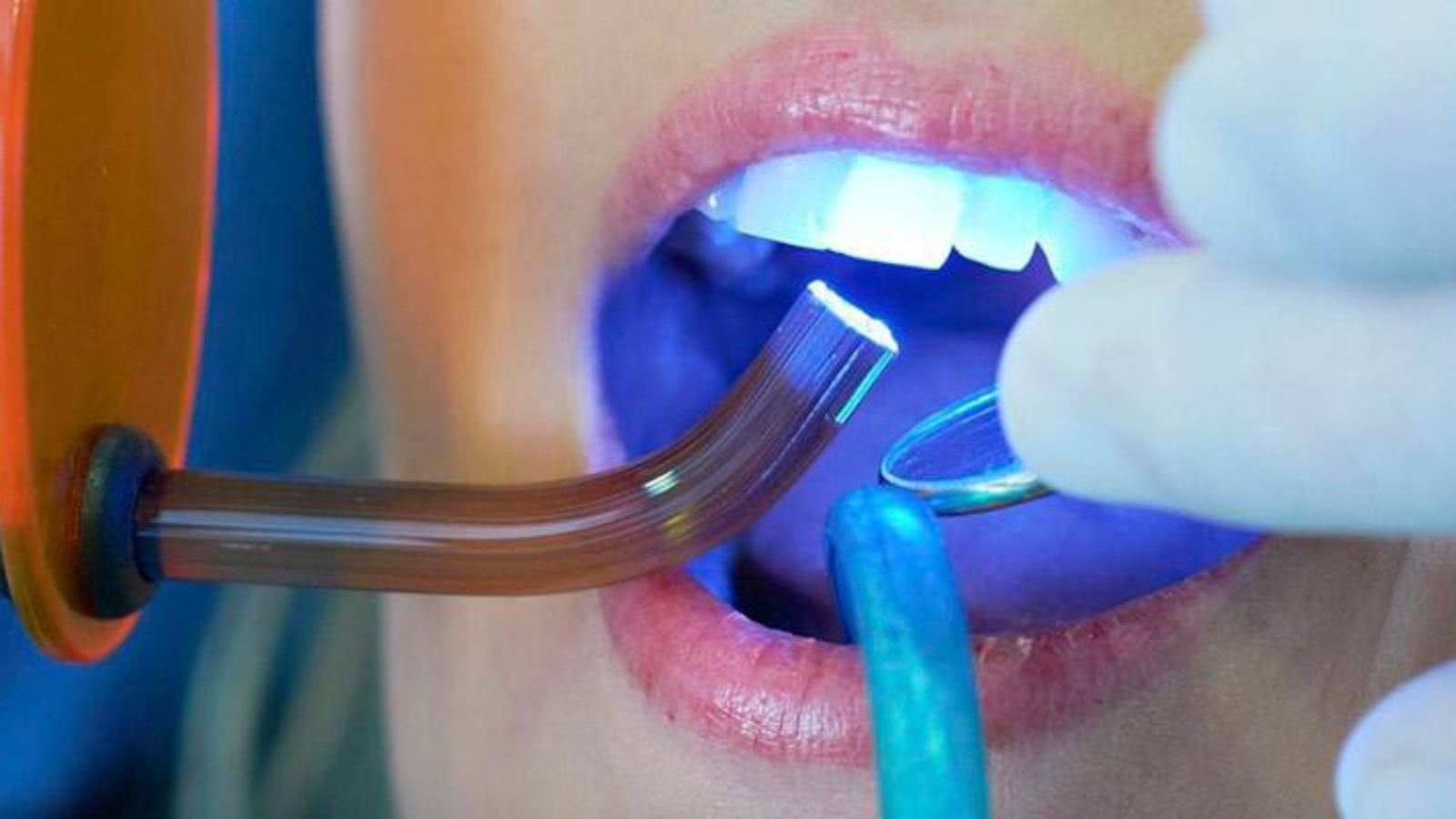
The selection of a photocomposite material in restorative dentistry goes far beyond shade matching and aesthetics. Professor Alexander von Breuer says that it is the properties of the filler that ultimately determine how well a restoration integrates into the biomechanical system of the tooth and how it behaves under functional load over time. At DentalClinic24, photocomposites are regarded as engineered materials operating under constant stress rather than as simple filling substances.
The filler component defines the mechanical characteristics of a photocomposite – its elastic modulus, resistance to wear, and ability to distribute load. Particle size, shape, and volume fraction directly influence how the restoration interacts with enamel and dentin. In the clinical practice of DentalClinic24, material selection is always correlated with the location of the restoration, the depth of tissue loss, and the expected occlusal forces.
Microfilled and nanofilled composites offer excellent aesthetics and surface smoothness, yet their functional behaviour under load differs from that of hybrid systems. When restoring posterior teeth, priority shifts toward materials capable of withstanding cyclic forces without accelerated wear. At DentalClinic24, this decision is based not on universal recommendations but on an assessment of the specific functional role of each tooth.
Restoration adaptation to dental tissues depends not only on the adhesive system but also on the composite’s ability to compensate for stresses generated during mastication. If a material is excessively rigid or overly elastic, microdeformations develop at the interface. Over time, this may compromise marginal integrity and reduce sealing quality. At DentalClinic24, such risks are evaluated before restorative procedures begin.
Composite wear serves as an indicator of functional compatibility with opposing teeth. A mismatch in hardness can accelerate abrasion of both the restoration and adjacent dentition. Professor Alexander von Breuer emphasises that excessive material strength is not always an advantage if it disrupts the overall balance of the dentofacial system.
Special attention is given to the long-term behaviour of restorations. A photocomposite must preserve its shape, contact points, and occlusal relationships not only immediately after placement but also years later. At DentalClinic24, restoration longevity is viewed as the result of appropriate material selection, precise application techniques, and a thorough understanding of tooth biomechanics.
Finishing and polishing procedures are also closely linked to filler properties. Materials with heterogeneous structures tend to lose surface smoothness more rapidly, increasing the risk of plaque accumulation and inflammatory responses in soft tissues. At DentalClinic24, these factors are incorporated into treatment planning, particularly in aesthetically sensitive areas.
For the patient, a properly selected photocomposite means not only a pleasing visual outcome but also daily functional comfort. The restoration should integrate seamlessly into habitual chewing patterns without creating the sensation of a foreign body. At DentalClinic24, this is considered a key criterion of successful restorative care.
Thus, photocomposite materials play an active role in clinical outcomes. Their filler composition determines adaptation, wear resistance, and restoration lifespan. At Dental Clinic24, photocomposite selection is guided by clinical analysis, biomechanics, and prognosis rather than by aesthetic parameters alone.
Previously, we wrote about decementation of prosthetic restorations at DentalClinic24 – the clinical causes of loss of retention and the principles of repeat prosthetic treatment