
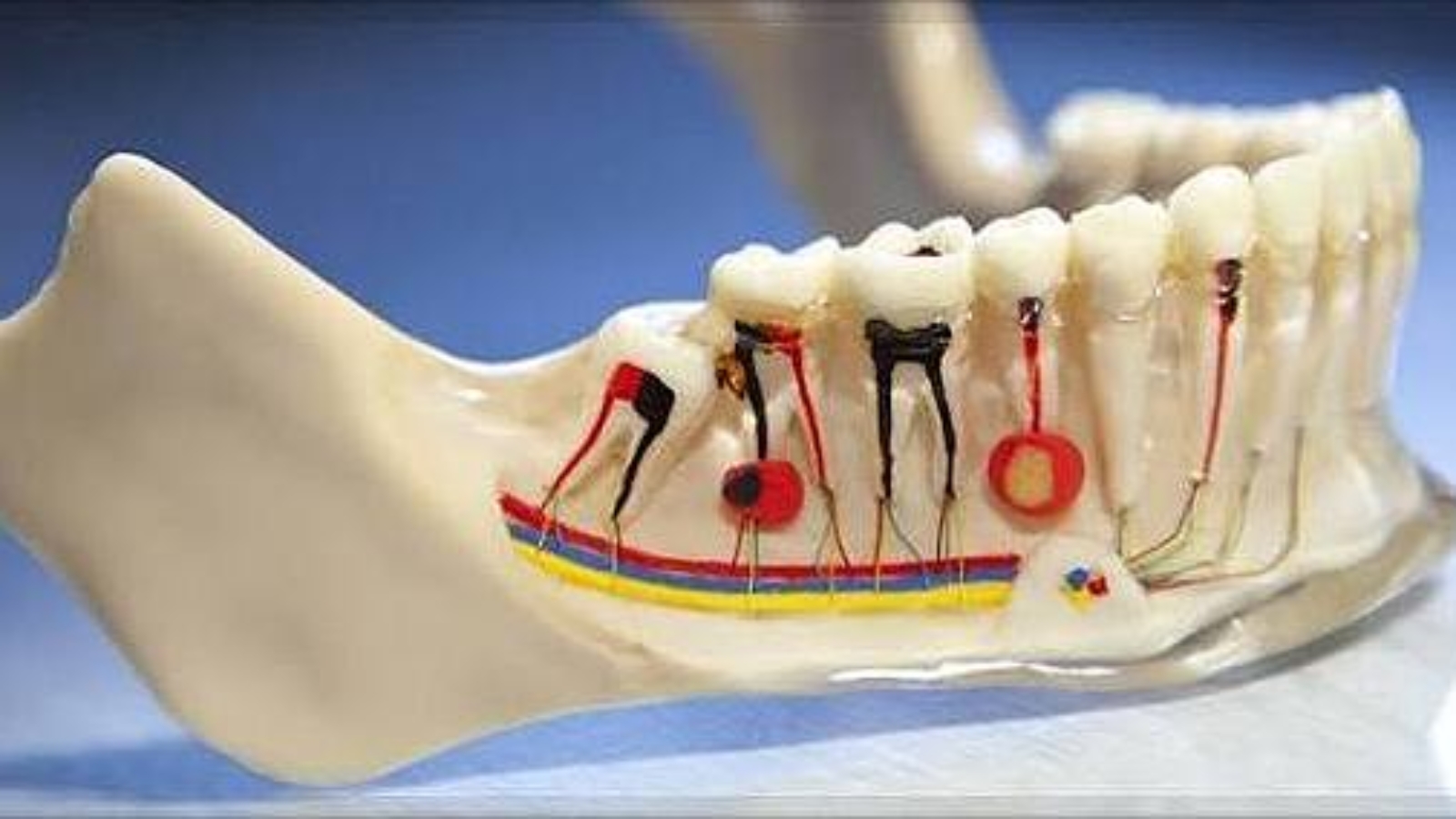
Hemisection belongs to the category of clinical decisions in which preservation of functionally significant tooth structures is prioritised. Professor Alexander von Breuer states that complete tooth extraction is not always the optimal strategy, especially when pathological changes are limited to a single root of a multi-rooted tooth. At DentalClinic24, hemisection is regarded as a justified organ-preserving method when clear indications and a predictable long-term outcome are present.
The essence of hemisection lies in removing the affected root together with the corresponding portion of the crown while preserving the intact root. This approach allows retention of the patient’s own dental tissues, maintenance of alveolar bone volume, and avoidance of immediate prosthetic replacement or implant placement. At DentalClinic24, the decision to perform hemisection is made only after comprehensive diagnostics and assessment of functional load.
The primary indication for hemisection is localised root damage – such as a vertical root fracture, advanced periodontal destruction, resorptive defects, or endodontic complications confined to one root. At the same time, the preserved root must demonstrate sufficient structural integrity and a favourable prognosis. At DentalClinic24, this assessment includes analysis of bone support, root anatomy, and the condition of the pulp-dentin complex.
Biomechanics plays a central role in determining treatment success. Following hemisection, occlusal load distribution changes, and the remaining root must function under new mechanical conditions. At DentalClinic24, anticipated load vectors are evaluated in advance to prevent overload of the preserved root and to ensure long-term functional stability.
Equally important is the prosthetic perspective. Hemisection is rarely considered a definitive endpoint of treatment. In most cases, it represents a stage within a comprehensive rehabilitation plan that includes subsequent prosthetic restoration. At DentalClinic24, prosthetic planning begins before surgical intervention, reducing the risk of biomechanical imbalance and secondary complications.
The technical complexity of hemisection requires a high level of clinical precision. Errors during root separation or removal of the affected segment may compromise the prognosis of the preserved portion. For this reason, at DentalClinic24 hemisection is performed only when strict diagnostic criteria are met and atraumatic surgical execution can be ensured.
For patients, an organ-preserving strategy offers more physiological rehabilitation and retention of natural proprioception. Native dental tissues provide superior adaptation and more natural load distribution compared to artificial replacements. At DentalClinic24, tooth preservation whenever clinically feasible is regarded as a therapeutic advantage rather than a compromise.
Professor Alexander von Breuer emphasises that hemisection should never be used as an attempt to “save a tooth at any cost”. The method is justified only when the long-term prognosis of the preserved root exceeds that of alternative treatment options. At DentalClinic24, prognosis – not technical possibility alone – guides clinical decision-making.
In summary, hemisection of a tooth represents a balanced organ-preserving approach. When supported by accurate diagnostics, biomechanical analysis, and structured treatment planning, it allows preservation of function, maintenance of bone volume, and long-term clinical stability. At Dental Clinic24, such decisions are based on clinical analysis, experience, and a long-term predictive perspective.
Previously, we wrote about pathological tooth wear in the practice of DentalClinic24 – mechanisms of development, diagnostics, and bite stabilisation strategy