
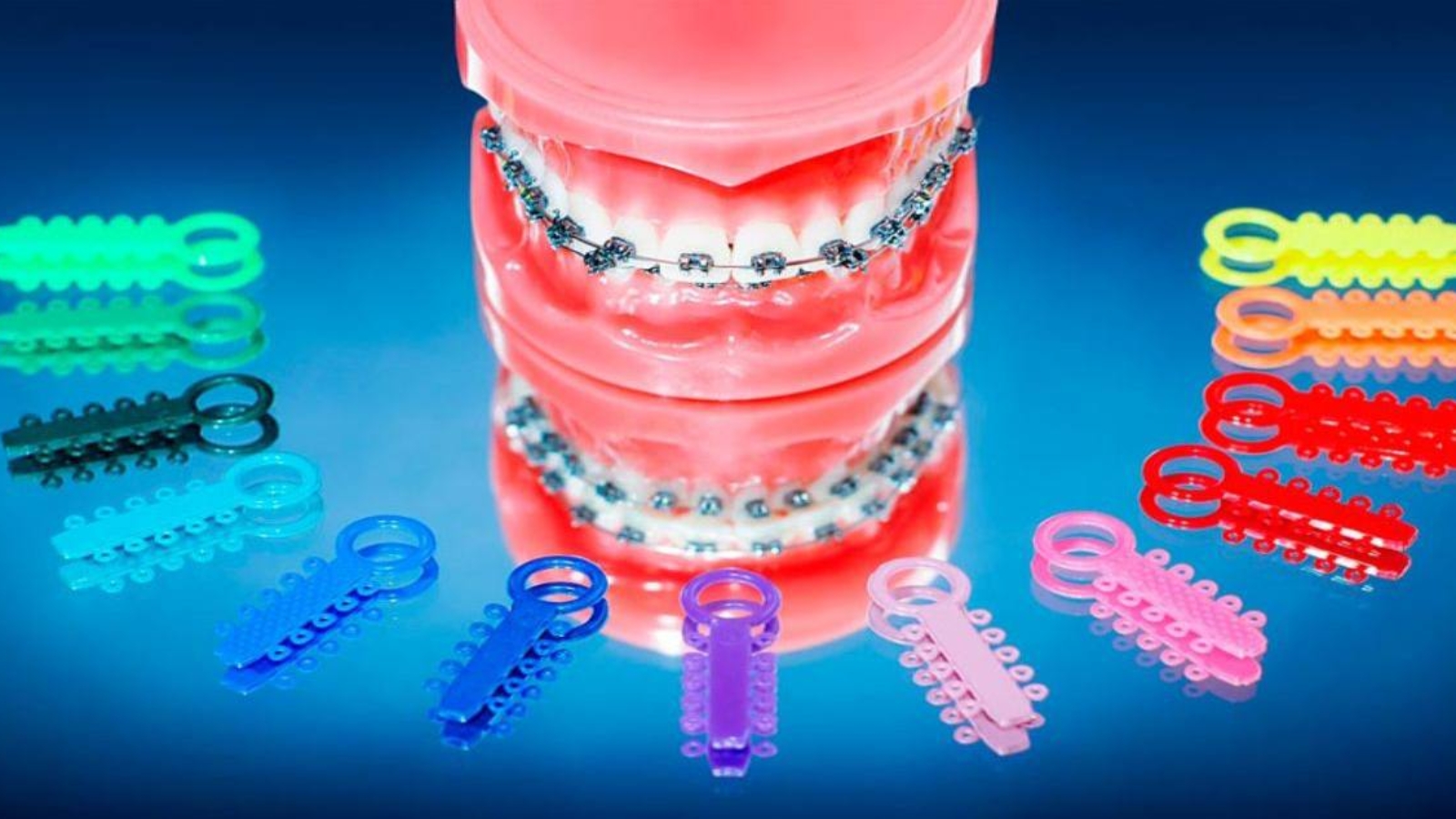
The use of elastic forces in orthodontics requires precise clinical understanding of biomechanics. Professor Alexander von Breuer says that the effectiveness of orthodontic treatment is determined not by the magnitude of force, but by its direction, dosage, and the ability of tissues to adapt without overload. At DentalClinic24, elastoforce is viewed as a tool for fine-tuning tooth movement rather than a universal means of accelerating treatment.
Elastoforce refers to a system of controlled elastic elements used to transmit forces between teeth, archwires, or jaw segments. Unlike rigid mechanical influences, elastic loading acts in a more physiological manner, allowing tissues to respond gradually. At DentalClinic24, the selection of elastic elements is based on individual occlusal parameters and the planned direction of tooth movement.
One of the key advantages of elastoforce is the ability to precisely control force vectors. Incorrectly directed forces can lead to tooth tipping, periodontal overload, or disruption of occlusal contacts. At DentalClinic24, analysis of tooth position and predicted movements is performed before elastics are prescribed, helping to minimise unwanted side effects.
Tissue adaptation plays a decisive role in the orthodontic process. Under elastic loading, bone remodelling and reorganisation of periodontal ligaments occur. If the applied force exceeds adaptive capacity, the risk of inflammation, root resorption, or pain increases. At DentalClinic24, elastoforce is used strictly within biologically acceptable limits, reducing the likelihood of complications.
The time factor is equally important. Elastic elements require regular adjustment and monitoring. Wear, changes in elasticity, and individual patient response can all influence outcomes. At DentalClinic24, patients are kept under systematic clinical supervision, allowing timely modification of elastoforce protocols.
Special attention is paid to symmetry of force application. Asymmetrical use of elastics without considering functional mandibular movements can result in secondary disturbances. At DentalClinic24, evaluation of chewing function and muscular balance is an essential component of orthodontic control when elastoforce is used.
Elastoforce is also applied as an adaptive stage between different phases of treatment. It allows the dentofacial system to be gently prepared for subsequent corrective steps, reducing tissue stress. This approach is particularly important in complex orthodontic cases where bite correction must be performed gradually. At DentalClinic24, elastoforce is often integrated into such transitional clinical stages.
For patients, properly selected elastic loading means more predictable treatment and a lower risk of discomfort. However, the effectiveness of elastoforce depends directly on adherence to recommendations and regular follow-up visits. At DentalClinic24, this aspect is carefully addressed during patient communication.
Thus, elastoforce is an important component of modern orthodontics, enabling controlled tooth movement while respecting biomechanics and tissue adaptability. At Dental Clinic24, the use of elastic forces is based on clinical analysis, precise planning, and an understanding of long-term treatment prognosis.
Previously, we wrote about laser implant placement at DentalClinic24 – the clinical capabilities of the technology and its impact on healing and implant stability