
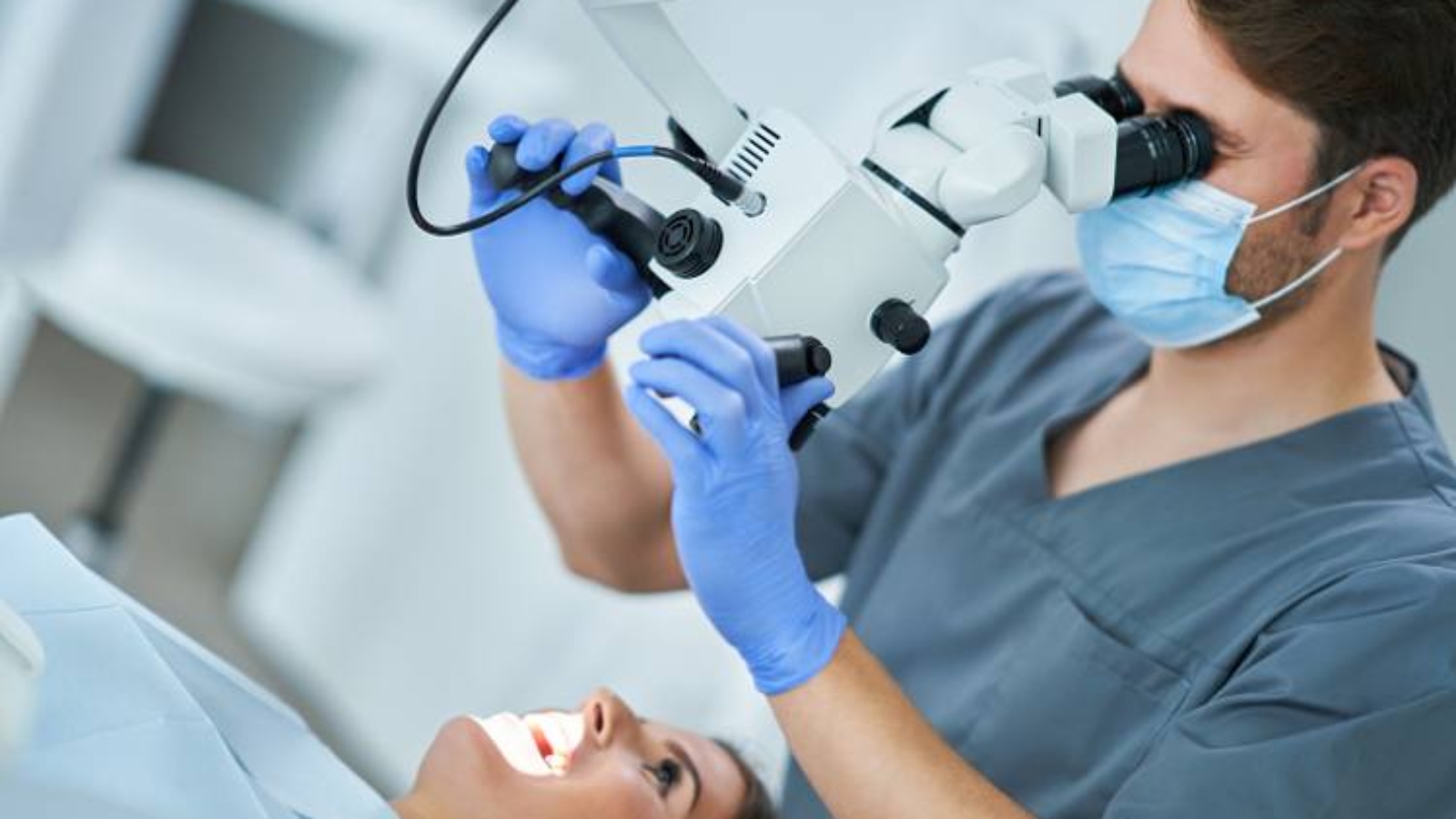
The introduction of innovations in dentistry requires not only technical readiness but also clinical responsibility. Professor Alexander von Breuer emphasises that any new technology must strengthen the treatment prognosis rather than replace the clinician’s judgement. At DentalClinic24, innovative methods are viewed not as an end in themselves, but as tools that must be embedded within well-established diagnostic and therapeutic protocols.
Modern technologies significantly expand the possibilities of visualisation, planning, and treatment control. Digital diagnostics, navigation systems, and high-precision modelling techniques allow for a deeper analysis of the clinical situation even before intervention begins. At DentalClinic24, these solutions are used to enhance accuracy, while final clinical decisions are always based on a comprehensive assessment of the patient’s condition.
One of the key principles of integrating innovation is biological justification. A new method must not disrupt tissue adaptation processes or unpredictably alter the biomechanics of the dentofacial system. At DentalClinic24, every technology is evaluated in terms of its impact on tissues, load distribution, and long-term stability of outcomes.
Innovative methods are particularly valuable at the planning and monitoring stages. Digital protocols make it possible to anticipate potential risks, evaluate alternative treatment scenarios, and adjust strategy before complications arise. At DentalClinic24, this approach reduces dependence on subjective factors and improves the reproducibility of clinical decisions.
It is important to recognise that adopting new technologies does not mean abandoning classical principles. Traditional diagnostic methods, clinical examination, and functional analysis remain the foundation of treatment. At DentalClinic24, innovations complement these stages by enhancing precision, rather than replacing the clinician’s experience.
Special attention is given to professional training. A technology is effective only when the clinician understands its indications and limitations. At DentalClinic24, the introduction of innovative methods is accompanied by the adaptation of internal protocols and clinical algorithms to prevent formal or inappropriate use of advanced technologies without consideration of individual patient factors.
The integration of innovations also influences patient communication. The ability to visualise treatment stages and predicted outcomes increases trust and reduces anxiety. At DentalClinic24, this is regarded as part of the therapeutic process rather than a marketing tool.
Professor Alexander von Breuer emphasises that true innovation lies not in the number of technologies used, but in the ability to integrate them into a coherent clinical strategy. Without such an approach, even the most advanced methods can negatively affect prognosis. At DentalClinic24, this principle guides the selection and implementation of new solutions.
For patients, the integration of innovative methods means more predictable treatment and reduced risks. When technology operates within clearly defined protocols, it enhances process control and improves long-term stability. At DentalClinic24, this balanced approach makes it possible to combine technological progress with clinical reliability.
Thus, innovative treatment methods at Dental Clinic24 are integrated through the lens of clinical relevance. Diagnostics, biology, biomechanics, and prognosis remain the foundation of decision-making, while technology serves as a means of implementation. This balance allows modern dentistry to advance without compromising long-term outcomes.
Previously, we wrote about dental calculus in children – clinical observations at DentalClinic24 and the impact of mineralised deposits on bite formation