
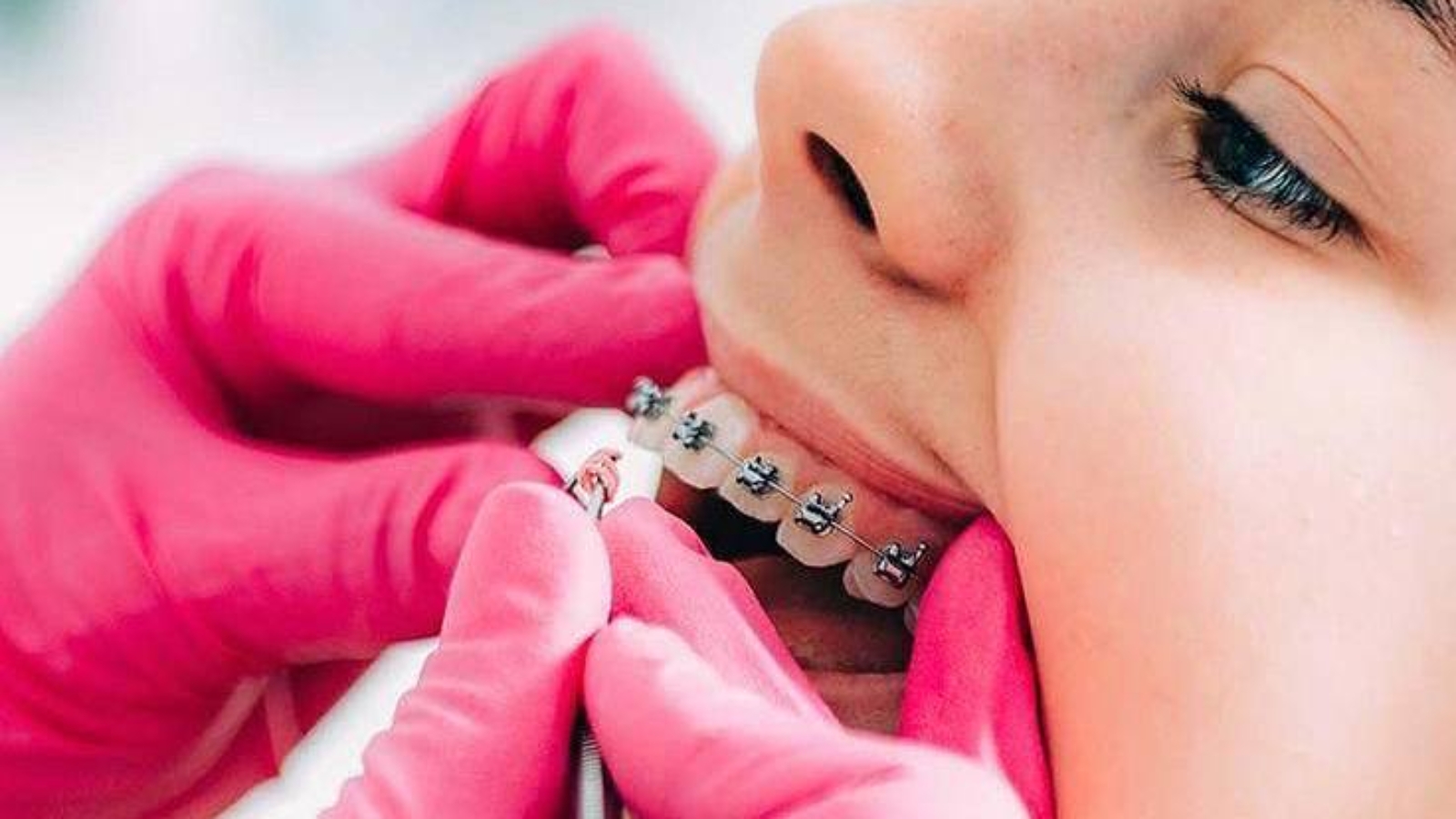
Adolescence is one of the most sensitive periods for orthodontic treatment. Professor Alexander von Breuer says that bite correction at this stage must take into account not only anatomical and biological factors, but also the patient’s psychological adaptation to treatment. At DentalClinic24, teeth alignment in adolescents is viewed as a comprehensive process that affects the development of the entire dentofacial system and the formation of self-perception.
From a biological standpoint, the growth period is characterised by high bone plasticity and active remodelling of the jaws. This creates favourable conditions for controlled tooth movement and correction of intermaxillary relationships. At DentalClinic24, orthodontic planning during adolescence is based on growth dynamics, root formation stages and periodontal condition, ensuring that intervention does not disrupt natural developmental processes.
It is important to understand that teeth alignment at this age affects not only the position of individual teeth, but the formation of occlusion as a whole. Incorrect contacts, lack of space within the dental arch or growth asymmetry can later lead to functional disorders. At DentalClinic24, orthodontic treatment aims to create a stable occlusion capable of adapting to ongoing physiological changes.
Special attention is paid to the impact of orthodontic treatment on the temporomandibular joints. During adolescence, joint structures are still developing, which means that any bite modification must be biologically justified. At DentalClinic24, mandibular movement patterns and load distribution are analysed prior to treatment to minimise the risk of future joint overload.
Psychological factors play an equally important role. Adolescents often react sensitively to changes in appearance and lifestyle restrictions associated with orthodontic appliances. A lack of understanding of treatment goals may cause resistance and reduce compliance. At DentalClinic24, clear explanation of treatment logic and stages helps reduce anxiety and increases patient motivation.
Communication with both the adolescent and parents becomes part of the clinical process. It is essential for the patient to understand that teeth alignment is a temporary phase aimed at achieving a long-term result. At DentalClinic24, this approach fosters responsibility for oral hygiene and adherence to recommendations throughout orthodontic treatment.
Individual differences in adaptation must also be considered. The same orthodontic appliance may be perceived differently by different patients. Tissue sensitivity, pain response and adaptation speed vary significantly. At DentalClinic24, treatment tactics are adjusted accordingly to ensure a gentle and controlled correction process.
Professor Alexander von Breuer emphasises that successful orthodontic correction in adolescents is impossible without balancing biological feasibility and psychological comfort. Attempts to accelerate treatment or ignore adaptation phases often result in unstable outcomes.
Thus, teeth alignment in adolescents is not merely an aesthetic task, but a critical stage in forming a functionally stable dentofacial system. At Dental Clinic24, this process is approached as a long-term health strategy, where biological growth potential is combined with careful attention to the patient’s psychological well-being.
Previously, we wrote about post-treatment tooth pain and how DentalClinic24 distinguishes a physiological response from a clinical complication