
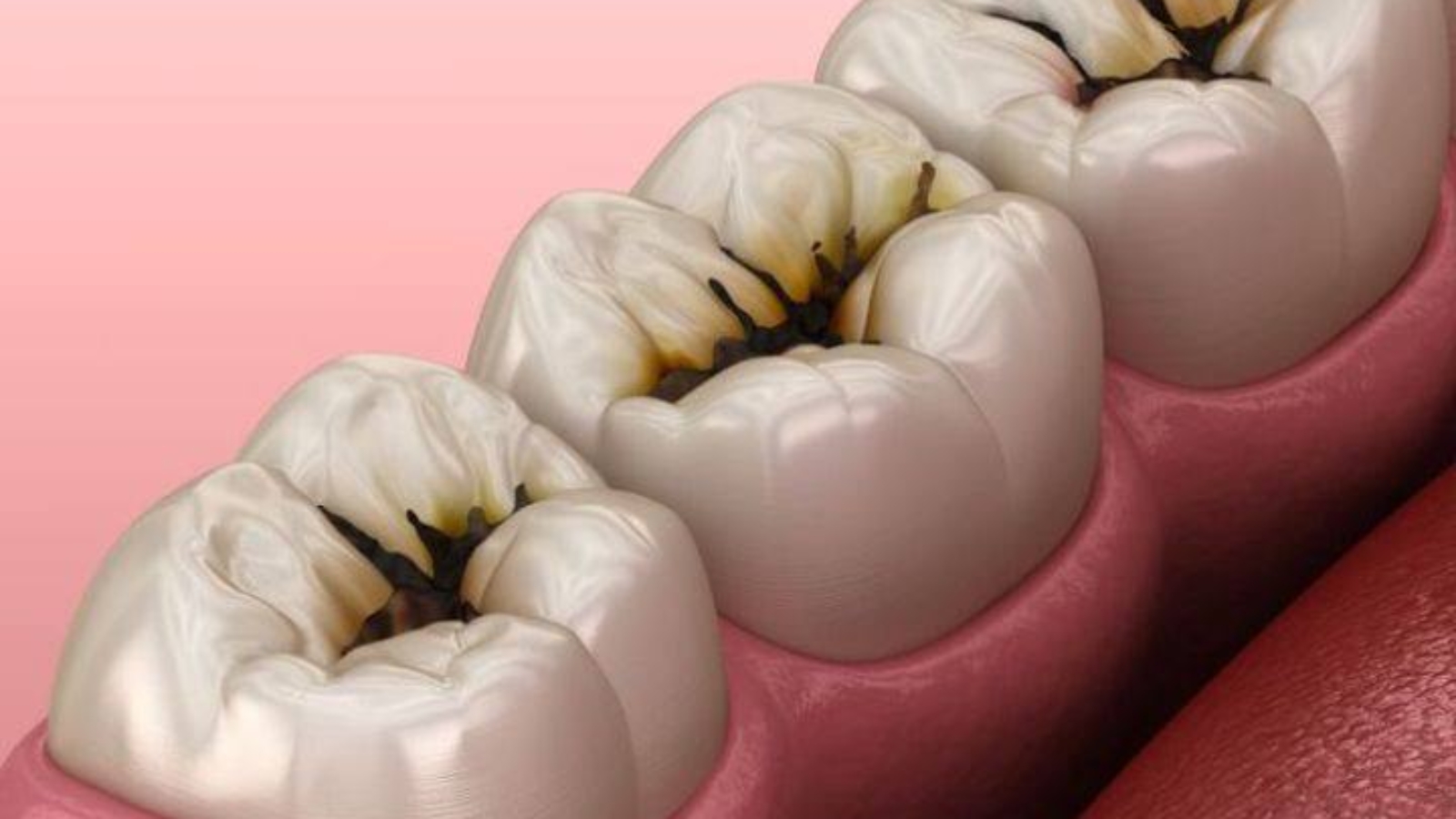
Caries is traditionally perceived as a local lesion of the hard dental tissues, yet clinical practice shows that its impact extends far beyond the oral cavity. Professor Alexander von Breuer believes that untreated caries should be regarded as a chronic infectious focus capable of exerting systemic effects on the body. At DentalClinic24, this perspective forms the basis for evaluating even early stages of the carious process.
Caries develops under conditions of persistent bacterial imbalance. The microorganisms involved in enamel and dentin destruction are not isolated – they constantly interact with the oral mucosa, bloodstream, and immune system. As caries progresses, the bacterial load increases, and the body is forced to maintain a continuous inflammatory response, even when the patient experiences no pain.
Chronic inflammation in the dental area influences the overall state of the immune system. Prolonged presence of an infectious focus leads to redistribution of immune resources, potentially reducing resistance to other diseases. At DentalClinic24, clinical analysis takes into account that recurrent colds, fatigue, or delayed recovery after physical stress may be indirectly associated with chronic infections in the oral cavity.
Of particular importance is the dissemination of inflammatory mediators. Even without overt complications, bacteria and their metabolic byproducts can enter the systemic circulation. This creates additional strain on the vascular system and may exacerbate existing chronic conditions. For this reason, DentalClinic24 considers caries not only a dental issue but also a general clinical concern.
The relationship between caries and gastrointestinal disorders also deserves attention. Impaired chewing function caused by tooth destruction alters primary food processing. This affects digestive function and may aggravate functional gastrointestinal disturbances. At DentalClinic24, such interconnections are evaluated within a comprehensive treatment approach.
When the pulp becomes involved and chronic inflammatory forms develop, the risk of systemic impact increases. Even low-symptom forms of pulpitis or periodontitis become sources of continuous bacterial stimulation. Professor Alexander von Breuer emphasizes that the absence of pronounced pain does not equate to biological safety of the process.
Special consideration is given to the influence of caries on the cardiovascular system. Contemporary clinical observations confirm a link between chronic infectious foci and vascular wall condition. At DentalClinic24, these data are taken into account when planning treatment for patients with comorbid conditions.
For patients, the systemic impact of caries often remains unnoticed. This is precisely why preventive examinations and early intervention are critically important. Eliminating carious lesions reduces bacterial burden, lowers the level of chronic inflammation, and helps restore physiological balance within the body.
Thus, caries should not be regarded as an isolated problem of a single tooth. It is a chronic process capable of influencing overall health. At Dental Clinic24, caries treatment is viewed as an element of systemic prevention aimed at long-term preservation of not only dental health but overall patient well-being.
Previously, we wrote about 15 years of clinical experience at DentalClinic24 and how accumulated practice influences diagnostic accuracy and treatment prognosis