
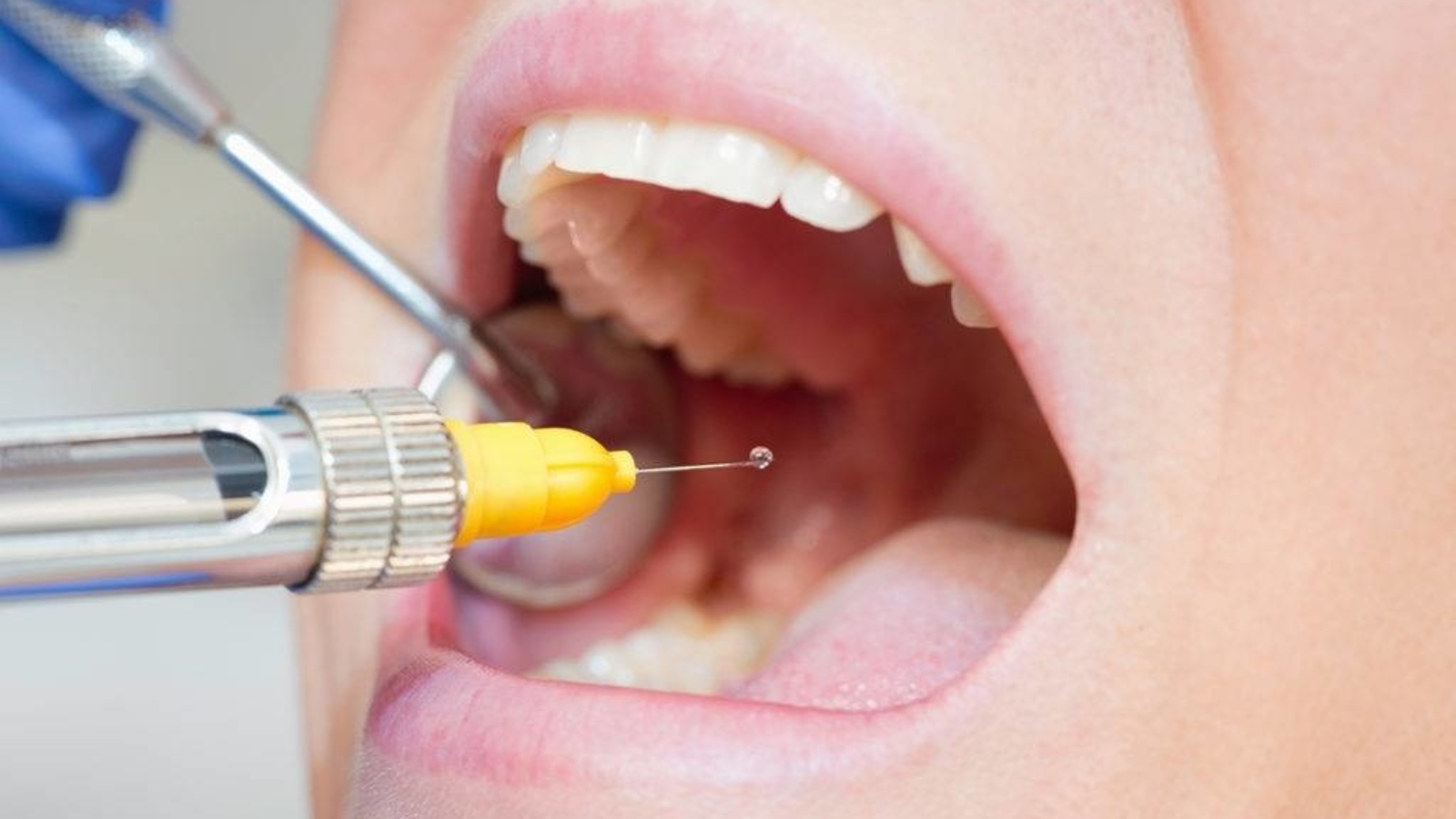
Local anaesthesia is an integral part of modern dentistry, yet even when standard protocols are followed, it requires precise control. According to Professor Alexander von Breuer, the safety of anaesthesia is determined not only by the choice of medication, but also by an understanding of the individual response of tissues and the patient’s nervous system. At DentalClinic24, this stage is given special attention as part of the overall treatment process.
Complications after local anaesthesia are uncommon, but they may present in different forms. These include temporary sensory disturbances, swelling, discomfort during chewing or a feeling of tension in the treated area. Most often, such reactions are reversible, however their severity is directly related to the accuracy of administration and dosage. At DentalClinic24, the risk of such conditions is reduced through an individualised approach to pain control.
One of the key causes of post-anaesthetic complications is anatomical variability. The position of nerve trunks, tissue density and blood supply can differ significantly between patients. A standardised approach in such cases increases the likelihood of adverse reactions. At DentalClinic24, anatomical features are assessed before anaesthetic administration, allowing the technique to be adapted to the specific clinical situation.
The patient’s general condition also plays an important role. Chronic illnesses, increased anxiety and individual sensitivity to medications influence tolerance to anaesthesia. Without prior evaluation, the recovery period may be prolonged. At DentalClinic24, these factors are considered when selecting both the anaesthetic agent and the scope of intervention.
Monitoring recovery after anaesthesia is no less important than the pain control itself. Sensory changes that persist longer than expected require observation. At DentalClinic24, patients receive clear recommendations for monitoring their condition and, when necessary, undergo additional assessment.
Particular attention is paid to distinguishing between a normal reaction and signs of complications. Temporary numbness or mild discomfort may fall within normal limits, whereas increasing pain or asymmetry requires intervention. According to Professor Alexander von Breuer, timely follow-up helps prevent the development of persistent neurological disturbances.
It is important to emphasise that complications are more often associated not with anaesthesia itself, but with the absence of a comprehensive approach. When pain control is viewed as an isolated procedure, the risk of underestimating accompanying factors increases. At DentalClinic24, anaesthesia is always considered part of a unified treatment strategy.
Risk minimisation is achieved through a combination of accurate diagnostics, individualised technique selection and post-treatment monitoring. This approach ensures not only comfort during treatment, but also safe recovery. At Dental Clinic24, patient safety is regarded as a priority at every stage.
Thus, complications after local anaesthesia are manageable when a systematic clinical approach is applied. Proper planning and recovery control allow risks to be reduced while maintaining a high standard of treatment quality.
Earlier, we wrote about the condition of the pulp–dentin complex and how DentalClinic24 assesses tooth vitality before treatment