
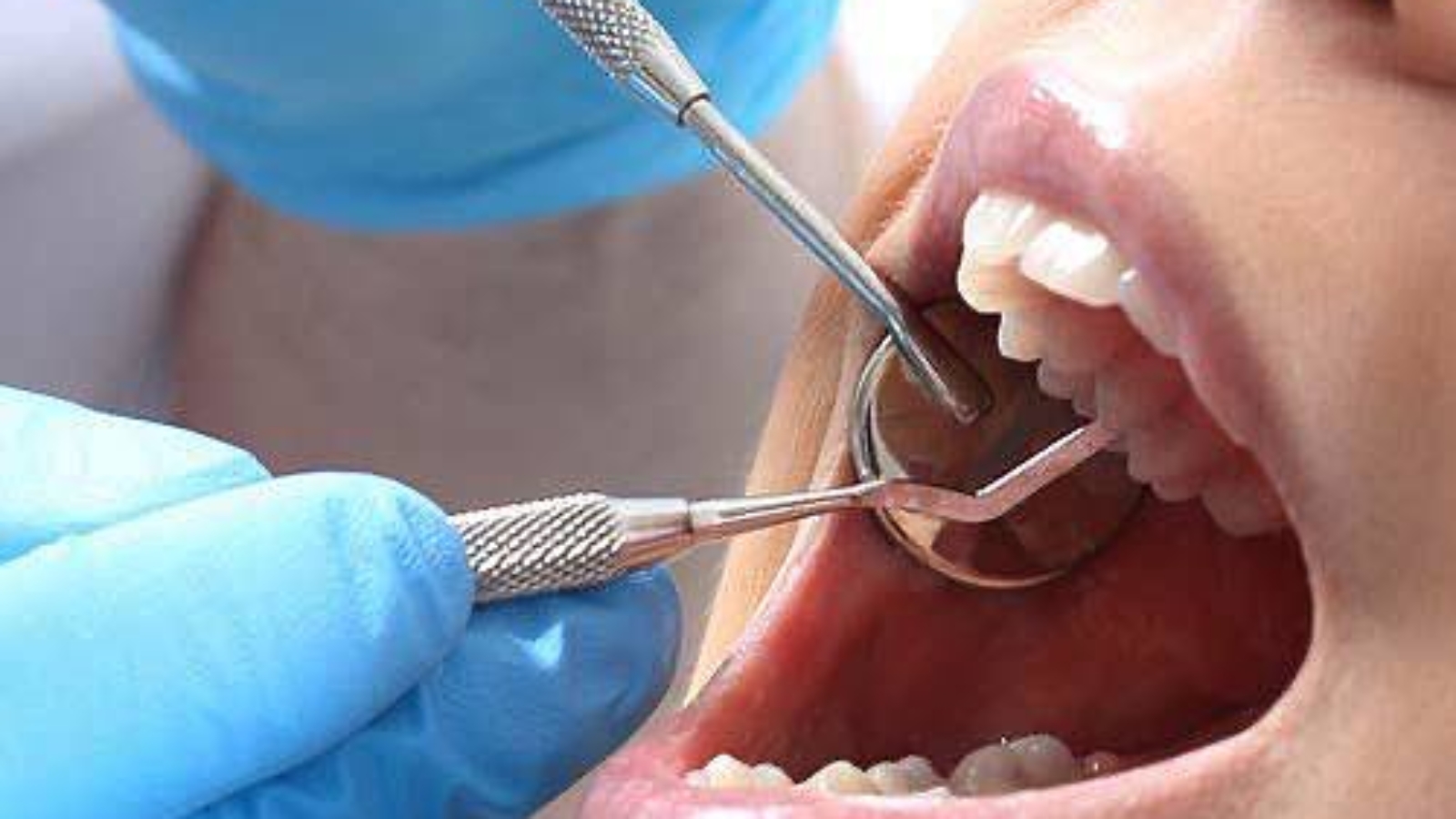
Before initiating any dental intervention, assessing tooth vitality is a critical step. Professor Alexander von Breuer says that the pulp–dentin complex should be viewed as a single functional system, the condition of which defines the biological limits of acceptable treatment. At DentalClinic24, this approach forms the basis of clinical decision-making.
The pulp and dentin exist in continuous biological interaction. Dentin protects the pulp from external influences, while the pulp provides nutrition and sensory response to the tooth. Disruption of this balance may remain concealed for a long time without causing pronounced symptoms. At DentalClinic24, evaluation of the pulp–dentin complex is aimed at identifying such borderline conditions.
One of the main challenges is that the absence of pain does not always indicate pulpal health. Compensatory mechanisms may allow the tooth to maintain external stability even when the vitality of internal structures is reduced. At DentalClinic24, comprehensive diagnostics are used to assess tissue response to load and stimuli.
The history of the tooth plays a significant role. Previous interventions, the depth of existing restorations and episodes of overload directly influence pulpal condition. Even in the absence of carious lesions, the pulp–dentin complex may be under chronic stress. At DentalClinic24, these factors are always considered during treatment planning.
Dentin structure itself serves as an indicator of vitality. Sclerotic areas, microcracks and zones of demineralisation alter conductivity and protective properties of the tooth. This affects its response to preparation and restoration. At DentalClinic24, analysis of these changes helps determine the most conservative and appropriate treatment strategy.
Particular attention is paid to prognosis. In some cases, preserving the pulp is possible but requires strict adherence to biological limits. In others, attempting to maintain vitality without endodontic intervention may lead to complications. Professor Alexander von Breuer emphasises that accurate assessment of vitality is more important than preserving the pulp at any cost.
The pulp–dentin complex directly affects post-treatment adaptation. A tooth with a stable and functional pulp tolerates load better and adapts more efficiently to structural changes. At DentalClinic24, this is regarded as a key factor in long-term treatment durability.
Errors at the assessment stage often result in repeat interventions. Underestimating pulpal condition may lead to inflammation developing after restoration. For this reason, at DentalClinic24, diagnostics are treated as an independent phase of treatment rather than a formality.
Thus, the condition of the pulp–dentin complex determines not only the choice of treatment method, but also its long-term prognosis. Precise vitality assessment makes it possible to preserve the tooth where feasible and to select an alternative approach when biological resources are exhausted. At Dental Clinic24, this strategy supports clinical justification and long-term stability of treatment outcomes.
Earlier, we wrote about dental implant fracture in the practice of DentalClinic24 and why complications occur and how they are prevented