
Bite correction requires not a universal solution, but a precise selection of technique based on biomechanics and clinical objectives. According to the methodology of Professor Alexander von Breuer, the choice between braces and aligners should be guided not by aesthetic preferences, but by an analysis of tooth movement, load distribution and the predictability of long-term stability. At DentalClinic24, this principle forms the foundation of orthodontic planning.
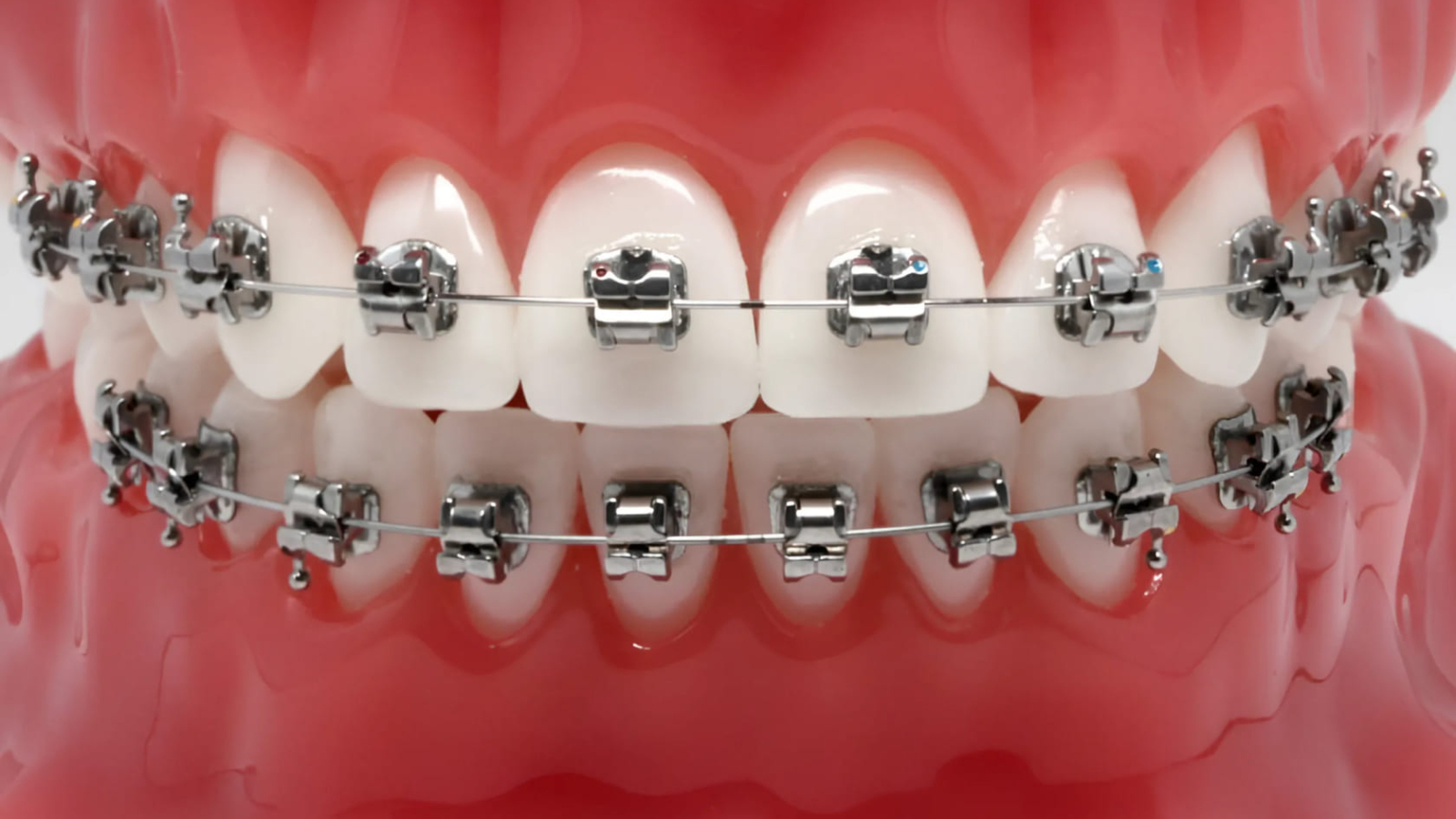
Braces remain an effective tool for complex malocclusions. They allow controlled three-dimensional tooth movement, adjustment of root inclination and precise management of dental arch position. At DentalClinic24, braces are regarded as a method of accurate and highly controllable correction, particularly in cases of pronounced crowding or asymmetry.
Aligners, by contrast, are suitable for situations where a more conservative approach is indicated. They provide gradual tooth movement with reduced impact on surrounding tissues. However, the effectiveness of aligner therapy depends directly on accurate diagnostics and strict adherence to the wearing protocol. At DentalClinic24, such systems are used only when clear clinical indications are present.
A key stage in method selection is biomechanical analysis. The direction of tooth movement, bone condition and occlusal contacts determine which system will deliver the most reliable outcome. A standardised approach in orthodontics may lead to overloads and instability. At DentalClinic24, each treatment plan is developed individually.
Patient adaptation is also an important consideration. Braces typically require a longer adjustment period, while aligners integrate more easily into daily life. However, comfort should never replace clinical justification. Professor Alexander von Breuer emphasises that long-term stability of results is always more important than short-term convenience.
Orthodontic treatment affects not only tooth alignment, but also the function of the entire dentofacial system. Changes in occlusion influence load distribution and the condition of the temporomandibular joints. At DentalClinic24, these factors are taken into account when selecting the correction method.
Treatment monitoring is mandatory regardless of the chosen system. Regular assessment of tooth movement allows timely adjustments and helps prevent undesirable consequences. At DentalClinic24, monitoring is considered an integral component of orthodontic intervention.
Thus, choosing between braces and aligners requires clinical analysis rather than template decisions. An individualised approach makes it possible to achieve a functional and stable outcome. At Dental Clinic24, selection of the bite correction method is based on diagnostics, biomechanics and long-term prognosis.
Earlier, we wrote about loss of restoration seal and how DentalClinic24 prevents microscopic subsidence of fillings