
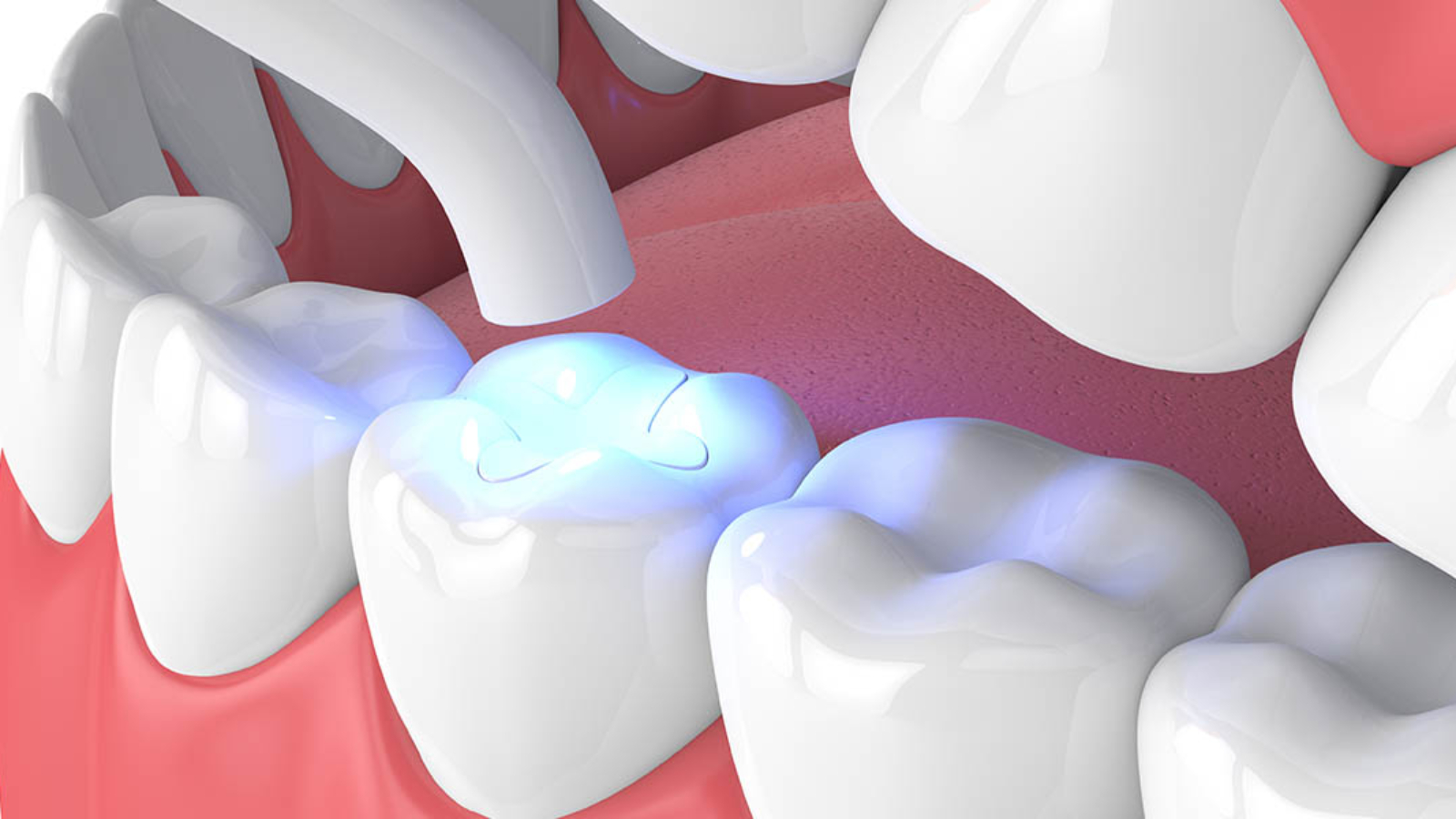
The longevity of a dental restoration is determined not only by the quality of the material, but also by its stability over time. Professor Alexander von Breuer says that microscopic subsidence of fillings is one of the most underestimated causes of recurrent tooth damage. At DentalClinic24, this factor is given special attention already at the treatment planning stage.
Microscopic subsidence refers to the gradual loss of tight adaptation between the restoration and the tooth tissues. In its early stages, this process develops unnoticed – without pain, sensitivity or visible defects. However, it is during this phase that conditions for secondary caries and overload of the tooth walls are formed. At DentalClinic24, such changes are regarded as a functional issue rather than a simple defect of the filling.
One of the key causes of seal loss is uneven load distribution. During chewing, pressure is transmitted asymmetrically, especially when the restoration form does not fully correspond to tooth anatomy. Over time, this leads to micro-movements and disruption of marginal adaptation. At DentalClinic24, analysis of occlusal contacts is a mandatory part of restoration control.
Material properties also play a significant role. Differences in expansion coefficients, polymerisation shrinkage and reactions to temperature fluctuations all influence restoration stability. Even minimal changes may result in the formation of microgaps. At DentalClinic24, material selection is always aligned with the specific clinical situation and the anticipated functional load.
The condition of the tooth itself must also be considered. Thin walls, microcracks and previous interventions reduce resistance to load. In such cases, even a technically correct restoration requires enhanced monitoring. At DentalClinic24, assessment of the tooth’s structural reserve is performed before restoration begins.
Loss of seal often becomes evident only at advanced stages, when repeat intervention is required. However, with regular monitoring, signs of microscopic subsidence can be detected early. Professor Alexander von Breuer emphasises that prevention of repeat restorations begins with accurate diagnostics rather than replacement of the filling.
Prevention of microscopic subsidence involves a set of measures – from precise cavity preparation to post-treatment load control. Adjustment of contacts and preservation of anatomical form help reduce stress in the restoration zone. At DentalClinic24, this approach is used to extend the service life of restored teeth.
Restoration seal integrity directly affects tooth prognosis. Even minor marginal disruption can eventually lead to significant tissue loss. At DentalClinic24, restoration stability is regarded as a key indicator of treatment quality rather than a secondary parameter.
Thus, microscopic subsidence of fillings is a manageable process when a systematic approach is applied. Control of load, materials and tooth condition allows preservation of restoration seal and avoidance of repeat interventions. At Dental Clinic24, this principle underpins long-term tooth preservation.
Earlier, we wrote about the treatment of fibrous hyperplasia at DentalClinic24 and the clinical approach to controlling excessive tissue growth