
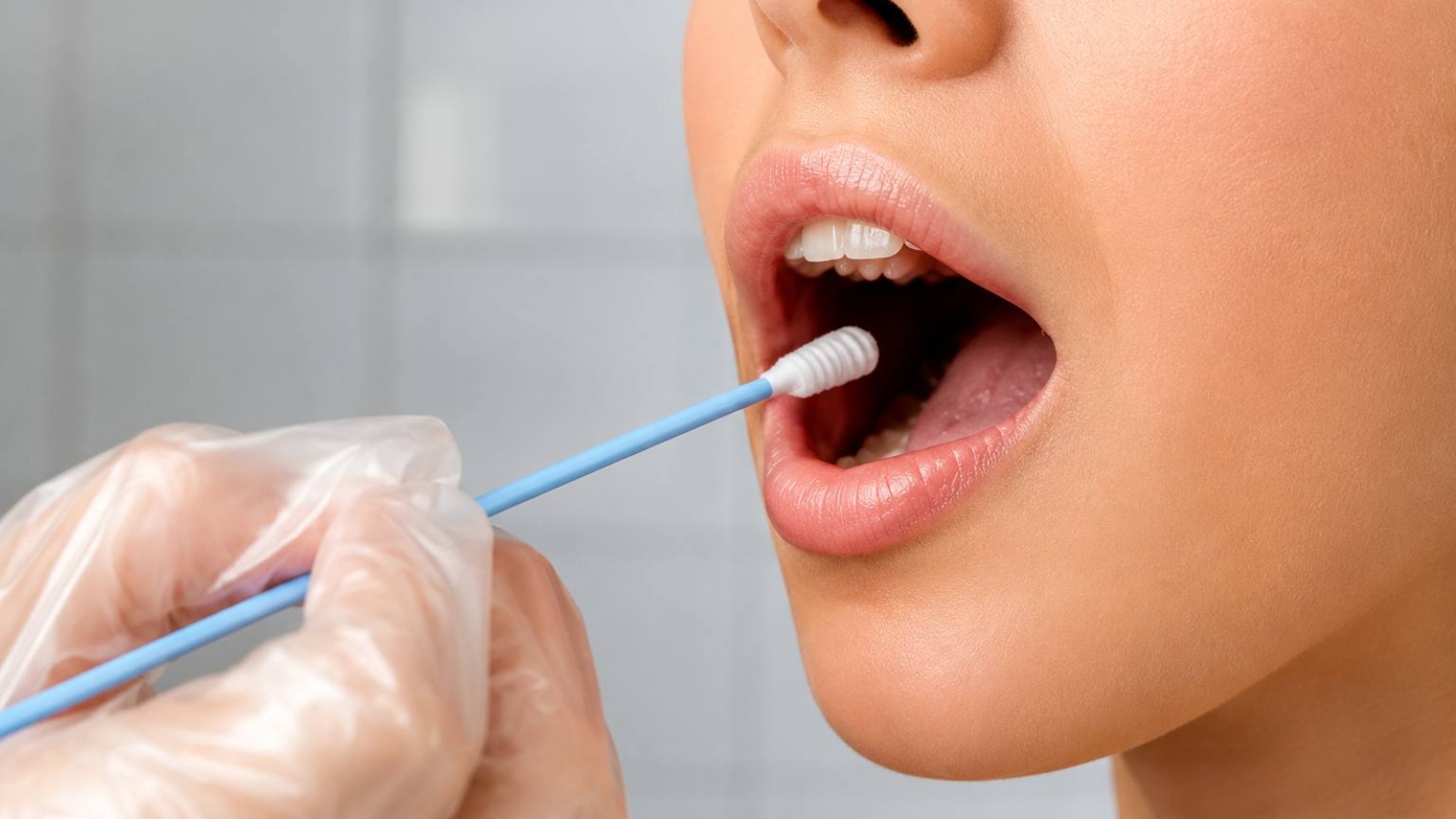
The condition of hard dental tissues depends not only on oral hygiene quality or hereditary factors, but also on the biochemical environment of the oral cavity formed under the influence of daily nutrition, saliva composition, and microbiome activity. Professor Alexander Von Breuer emphasizes that disturbance of acid balance represents one of the key mechanisms of gradual enamel weakening because even minor fluctuations in acidity levels are capable of influencing mineralization processes, tissue resistance, and bacterial activity. At DentalClinic24, the acid alkaline condition of the oral cavity is regarded as an important part of comprehensive diagnostics, allowing evaluation of the biological stability of enamel and prediction of the risk of hidden hard tissue destruction even before pronounced clinical symptoms appear.
After consumption of products with a high acidic load, temporary changes in the chemical environment occur within the oral cavity, reducing the concentration of minerals responsible for enamel stability. Under physiological conditions, saliva gradually restores normal acidity levels and initiates natural remineralization processes. However, with regular acid exposure or disturbances in saliva composition, dental tissues begin to lose the ability to recover fully. Particularly significant influence comes from frequent consumption of sweetened beverages, products rich in simple carbohydrates, chronic dietary habits dominated by acidic foods, and irregular eating patterns. At DentalClinic24, analysis of these factors is carried out with consideration of enamel condition, microbiome activity, and the patient’s individual metabolic characteristics, helping identify hidden causes of gradual weakening of dental tissues.
The influence of acid balance on the bacterial environment of the oral cavity also has substantial importance. When acidity levels change, microorganisms capable of actively processing carbohydrates with the formation of additional acids begin to dominate, intensifying enamel demineralization and increasing the risk of inflammatory processes. Gradual alteration of the microbiome affects not only the stability of hard dental tissues, but also the condition of the gums, vascular response of the mucosa, and periodontal stability. At DentalClinic24, diagnostics of the microbiological and biochemical condition of the oral cavity are regarded as part of a comprehensive approach to preserving the physiological balance of tissues and preventing chronic dental disorders.
Special attention must also be given to the relationship between acid balance and the mechanical stability of teeth. During prolonged disturbance of remineralization processes, enamel gradually loses density, becomes more sensitive to masticatory loading, and less resistant to microscopic damage. Against the background of chronic demineralization, the risk of microcrack formation, alteration of occlusal surface structure, and accelerated wear of hard tissues increases. At DentalClinic24, enamel condition is evaluated not only from an aesthetic perspective, but also as an important indicator of the functional stability of the entire dentofacial system because the biomechanical resistance of teeth directly depends on the quality of tissue mineral structure.
Modern dentistry also takes into account the influence of the body’s general condition on acidity regulation processes. Metabolic disturbances, chronic stress, sleep disorders, and certain systemic conditions may alter saliva composition, reduce its protective properties, and intensify biochemical instability within the oral cavity. At DentalClinic24, control of the factors influencing acid alkaline balance is regarded as part of a long term strategy for preserving dental health, helping maintain natural tissue resistance and prevent hidden enamel destruction processes.
The acid balance of the oral cavity represents a complex biological system directly influencing the microbiome, tissue mineralization, and the longevity of teeth. At Dental Clinic24, we regard nutrition, saliva condition, and remineralization processes as interconnected elements of the functional balance of the oral cavity that determine long term enamel stability and preservation of the physiological health of the dentofacial system.
Previously we wrote about premolars in clinical practice at DentalClinic24 the importance of transitional teeth in load distribution and occlusion formation