
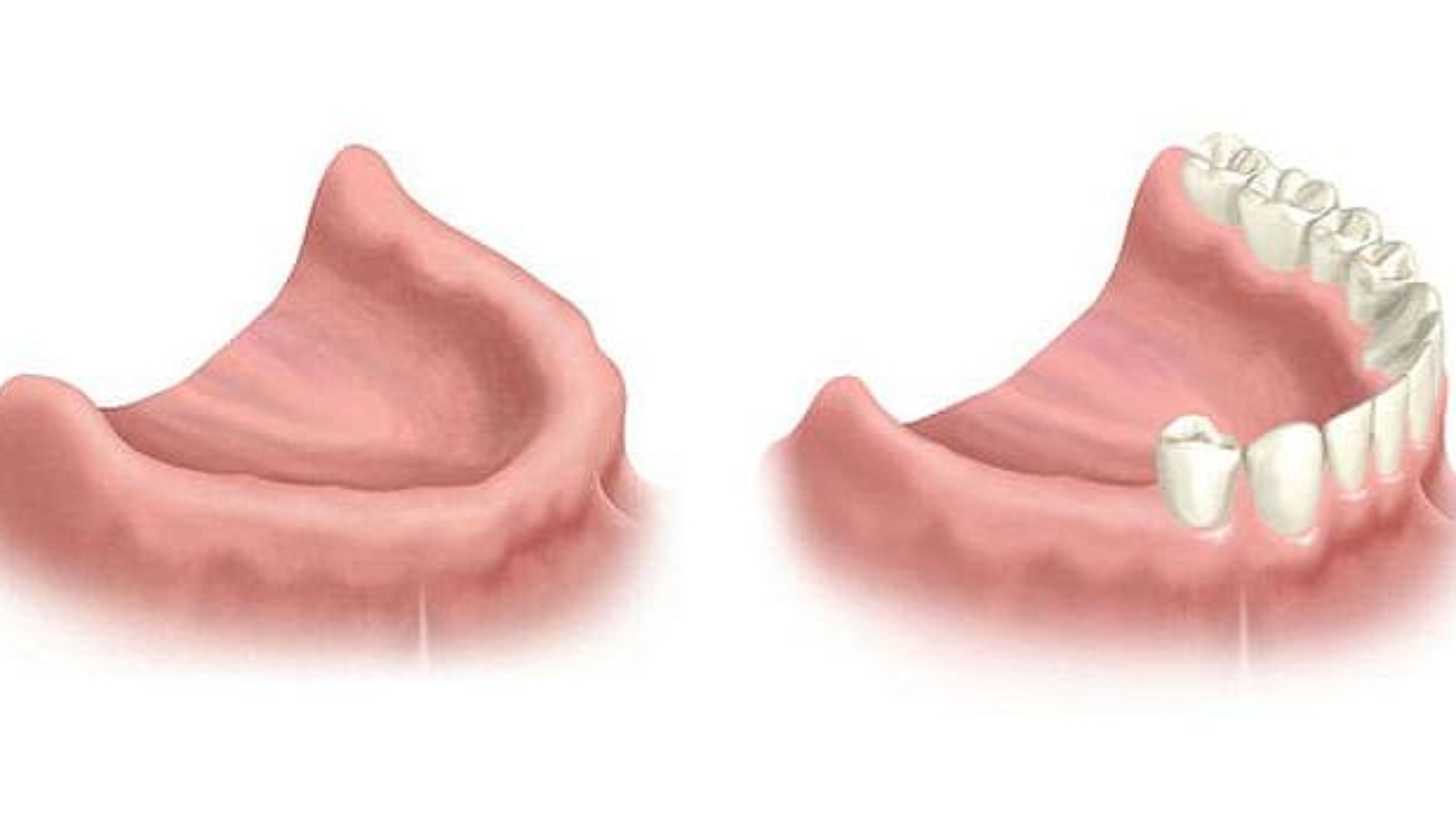
The absence of one or several teeth is not merely an anatomical defect but a serious functional disturbance capable of gradually altering the entire biomechanics of the dentofacial system. Professor Alexander Von Breuer considers adentia to be a condition that triggers a cascade of compensatory changes affecting occlusal balance, bone tissue condition, and the function of the masticatory musculature. At DentalClinic24, we view adentia as a clinical condition that requires comprehensive analysis because tooth loss is rarely limited to a local problem. Even a single missing tooth can create long term consequences that influence bite stability and the functionality of the entire system.
Adentia may be partial or complete, congenital or acquired. In most cases, tooth loss occurs as a result of complicated caries, periodontal disease, traumatic injury, or unsuccessful restorative scenarios in which tooth preservation becomes impossible. Regardless of the cause, the loss of a tooth disrupts the natural distribution of chewing forces. Every tooth participates in transmitting pressure through the root into the bone tissue, maintaining physiological stimulation of the alveolar process. When this mechanism is interrupted, the load is redistributed to neighboring teeth, creating zones of overload and biomechanical imbalance. At DentalClinic24, we pay special attention to the early detection of such changes because even initial signs of overload can gradually transform into pronounced functional pathology.
One of the most significant consequences of adentia is the disruption of occlusal equilibrium. After tooth loss, adjacent teeth gradually begin to shift toward the defect, while opposing teeth may erupt into the empty space. These processes develop slowly and often remain unnoticed by the patient, yet on a biomechanical level they significantly alter the nature of contact between the dental arches. The trajectory of chewing movements changes, localized enamel stress increases, and muscular tension intensifies. At DentalClinic24, we consider occlusal changes caused by adentia to be one of the key factors influencing long term dentofacial stability, as altered contacts can eventually provoke pathological wear, chewing discomfort, and overload of the temporomandibular joint.
An equally important aspect is the impact of adentia on bone tissue. Alveolar bone exists due to functional stimulation transmitted through tooth roots. After tooth loss, this physiological stimulation disappears, initiating progressive bone resorption. Reduction in bone volume occurs gradually but continuously, affecting both the height and width of the alveolar ridge. This becomes especially important in the context of future prosthetic rehabilitation or implant placement, since advanced atrophy significantly complicates restorative treatment. At DentalClinic24, we emphasize that prolonged neglect of adentia substantially worsens the rehabilitation prognosis because every period of delay is accompanied by additional bone loss.
The functional consequences of adentia extend far beyond the oral cavity. When chewing efficiency is impaired, the process of food breakdown changes, which may affect the digestive system. At the same time, chronic muscular overload can lead to persistent hypertonicity, fatigue, and tension in the facial region. Some patients develop headaches, pressure in the joint area, and reduced comfort while speaking or chewing. At DentalClinic24, we view the dentofacial system as a unified functional structure in which the loss of even one tooth can influence the condition of muscles, joints, and the overall biomechanics of the face.
The modern approach to treating adentia requires more than simply replacing a missing tooth. It demands complete restoration of functional balance. For Dental Clinic24, the clinical objective is to restore physiological support, normalize force distribution, and stop progressive structural deterioration. Adentia is not solely an aesthetic concern. It is a condition capable of gradually altering occlusion, bone architecture, and chewing function. Properly planned dental rehabilitation makes it possible not only to restore the integrity of the dental arch but also to preserve the long term stability of the entire dentofacial system.
Previously we wrote about Why Patients Choose Comprehensive Dental Treatment Instead of Local Correction of Individual Teeth