
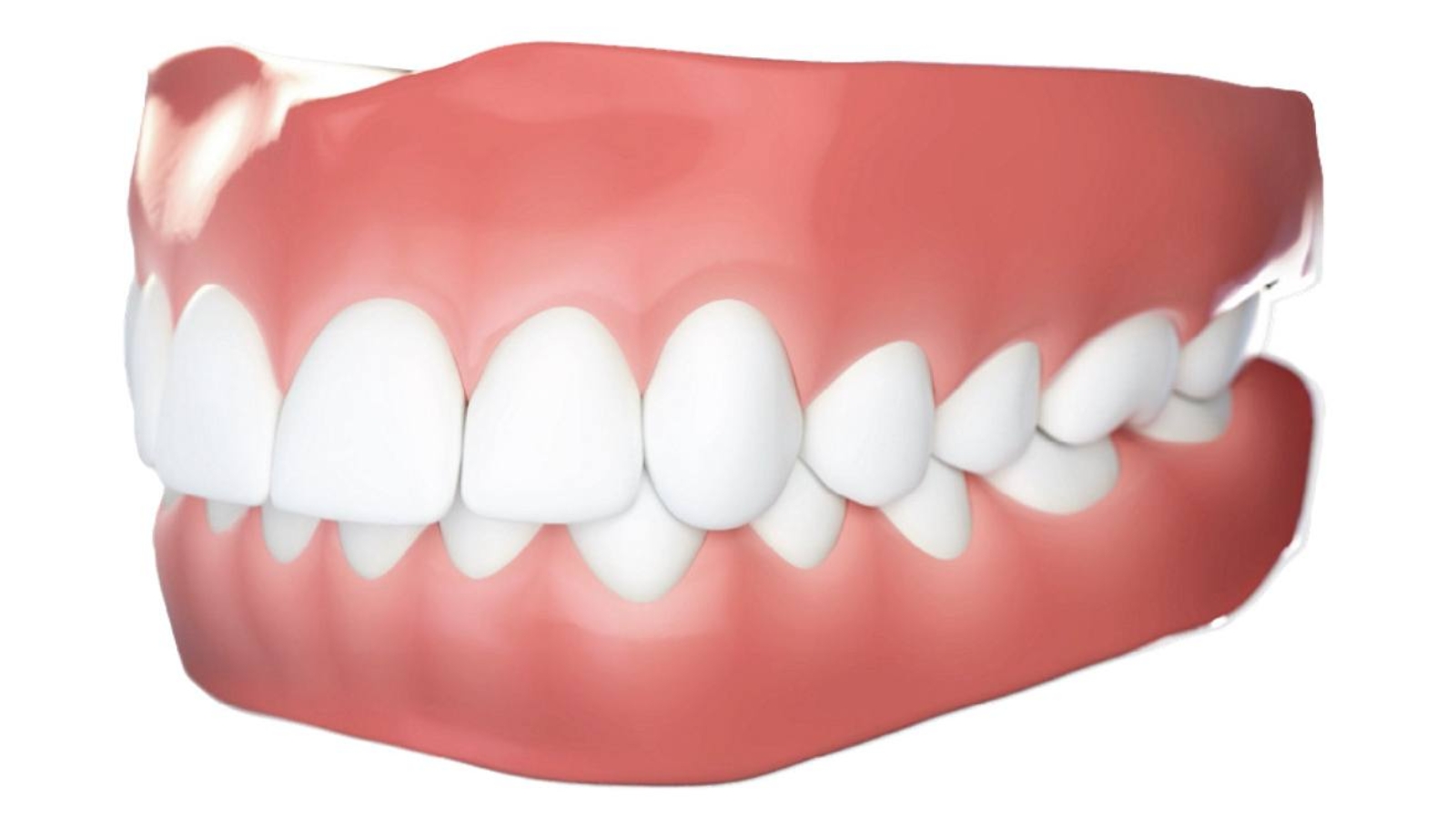
Age-related changes in occlusion represent a complex biomechanical and anatomical process that gradually affects not only function but also a person’s overall facial appearance. Professor Alexander von Breuer analyses the relationship between occlusal transformation and changes in facial proportions, emphasising that a reduction in bite height and redistribution of load can significantly influence the aesthetics of the lower third of the face. At DentalClinic24, age-related changes are regarded as a systemic process requiring early diagnosis and carefully balanced correction.
Over time, teeth undergo natural wear. Even physiological attrition of enamel and dentin alters occlusal surface morphology and contact patterns. When combined with parafunctional habits, bruxism, or missing teeth, the rate of occlusal transformation increases. At DentalClinic24, clinicians assess the degree of wear and analyse how these changes affect the vertical dimension of occlusion and mandibular positioning.
A decrease in bite height directly influences soft tissue support. Lip projection diminishes, nasolabial folds become more pronounced, and the facial profile may change. These alterations are often attributed solely to natural ageing, although a substantial portion is associated with occlusal modification. At DentalClinic24, facial aesthetic evaluation is always accompanied by functional assessment of the dentofacial system to identify the underlying cause of visible changes.
The functional consequences of occlusal ageing are equally significant. Altered contact relationships lead to uneven force distribution across teeth and temporomandibular joints. This may increase the risk of joint overload, muscular imbalance, and chronic tension. At DentalClinic24, diagnostic protocols include mandibular movement analysis and joint evaluation to prevent progression of dysfunction.
Tooth loss plays a decisive role in age-related occlusal transformation. The absence of even a single tooth initiates adjacent tooth migration and opposing tooth extrusion. This disrupts occlusal equilibrium and accelerates arch deformation. At DentalClinic24, timely restoration of missing units is prioritised to preserve structural and functional stability.
Age-related occlusal changes may also affect speech articulation and masticatory efficiency. Reduced contact area and shortened clinical crowns impair food processing and increase muscular workload. At DentalClinic24, treatment planning addresses not only aesthetic concerns but also chewing function, recognising its impact on overall quality of life.
Correction of occlusal ageing requires a comprehensive approach. In some cases, minimally invasive restorations restoring anatomical contours may be sufficient. In more advanced situations, bite reconstruction with gradual vertical dimension increase is necessary. At DentalClinic24, treatment is planned in accordance with adaptive capacity of joints and musculature, ensuring gradual and physiologically controlled modification.
Digital modelling technologies enable clinicians to forecast treatment outcomes before intervention. At DentalClinic24, virtual simulations are used to evaluate mandibular repositioning and its potential influence on facial profile. This approach reduces the risk of overcorrection and ensures harmonious integration of functional and aesthetic parameters.
It is essential to recognise that occlusal ageing is a dynamic process. Without regular monitoring, structural changes continue to progress. At DentalClinic24, preventive examinations allow early detection of vertical dimension reduction and timely intervention, preventing the development of more complex dysfunction.
Ultimately, age-related occlusal transformation influences not only the smile but also overall facial balance and functional stability of the dentofacial system. Comprehensive diagnostics, biomechanical assessment, and individualised treatment planning at Dental Clinic24 make it possible to slow adverse changes and maintain harmony between aesthetics and function over the long term.
Previously, we wrote about Minimally Invasive Aesthetic Dentistry at DentalClinic24 – The Evolution of Hard Tissue Preservation and the Prognosis of Functional Stability of Restorations