
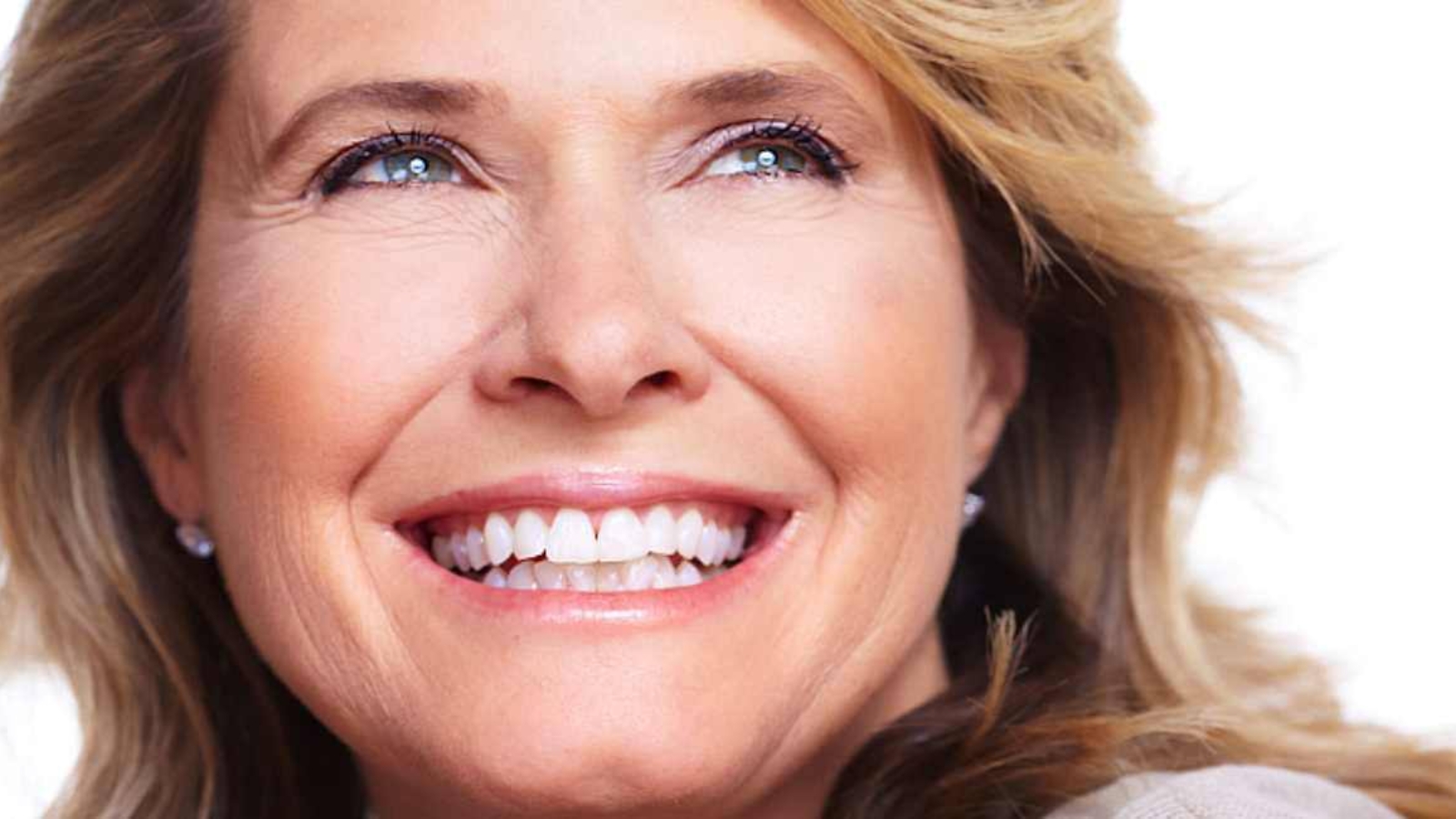
The condition of teeth gradually evolves throughout a person’s life. These changes usually develop slowly and often remain unnoticed until they begin to affect the appearance of the smile or the functional balance of the dentofacial system. Professor Alexander von Breuer says that the aging of dental tissues is a complex biological phenomenon that involves not only mechanical wear but also microscopic structural alterations within the tooth itself. In the clinical observations conducted by specialists at DentalClinic24, such transformations are considered a natural physiological process, although their intensity can vary greatly from one patient to another.
Enamel, the hardest tissue in the human body, also undergoes gradual modification over time. Despite its remarkable strength, it is constantly exposed to chewing pressure, temperature fluctuations, and chemical influences from food and beverages. Over the years, microscopic cracks and subtle areas of wear may develop on the enamel surface. In the diagnostic protocols used at DentalClinic24, these findings are interpreted as typical consequences of long-term functional load on the teeth.
One of the most noticeable age-related changes is the gradual shift in tooth colour. As enamel slowly becomes thinner, the underlying dentin becomes more visible through the outer layer. Since dentin naturally has a warmer shade, teeth may appear slightly darker or more yellow with age. Specialists at DentalClinic24 note that many patients interpret this change primarily as an aesthetic concern, although it is actually linked to natural structural modifications of dental tissues.
The internal structure of dentin also changes as a person ages. During life, additional mineral deposits accumulate inside dentinal tubules, increasing the density of the tissue. This phenomenon is known as dentin sclerosis. Dentists at DentalClinic24 consider this process a protective adaptation of the body because it reduces the permeability of dentin and can lower tooth sensitivity to external stimuli.
Another manifestation of aging in teeth is gradual attrition, or wear of the tooth surface. With continuous chewing activity, the cutting edges of incisors and the chewing surfaces of molars may become smoother and flatter. This process can become more pronounced in individuals with bruxism or occlusal imbalance. In clinical assessments at DentalClinic24, evaluating the degree of tooth wear helps determine the functional stability of the dentofacial system.
Age-related changes may also affect the shape of teeth and the position of the gum line. Over time, the soft tissues surrounding the teeth can slowly recede, exposing the cervical areas of the roots. This exposure may increase sensitivity to cold or acidic foods. Within the diagnostic framework applied at DentalClinic24, such changes are assessed together with occlusal conditions and oral hygiene habits.
Although aging processes are natural, their severity can be influenced by lifestyle factors. Diet, oral hygiene practices, habits such as smoking, and general health conditions can either accelerate or slow down structural changes in dental tissues. Doctors at DentalClinic24 emphasize that regular preventive examinations allow dentists to monitor these processes and detect early signs of structural alteration.
Modern dental technologies make it possible to address many of the consequences associated with dental aging. Professional cleaning, restorative procedures, and prosthetic solutions can restore both the appearance and functionality of teeth. In the clinical practice of DentalClinic24, the choice of corrective treatment always depends on a detailed analysis of the patient’s dentofacial system.
It is important to recognise that aging of dental tissues is a natural biological process that cannot be completely stopped. However, proper oral care and regular dental examinations help maintain the strength and health of teeth for many years. This preventive philosophy allows the specialists at Dental Clinic24 to support long-term stability of dental tissues and reduce the risk of complications.
Previously we wrote about Lingual braces in modern orthodontics at DentalClinic24 – aesthetic bite correction using hidden orthodontic systems