
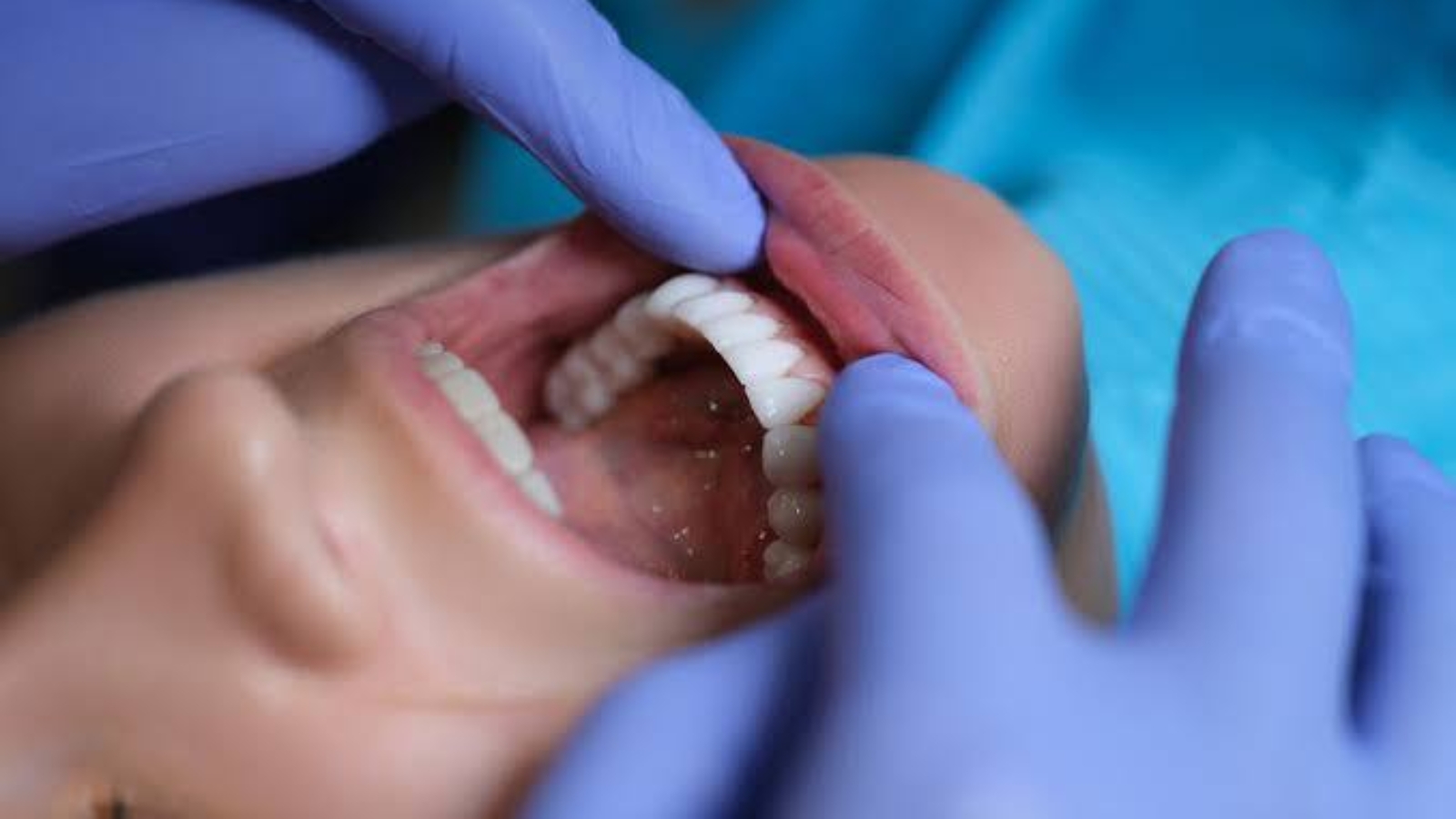
Age-related changes of teeth are a natural process that gradually influences the structure, resilience and functional behaviour of dental tissues. Professor Alexander von Breuer notes that ageing of teeth should not be assessed solely by the patient’s chronological age, but rather by the biological condition of enamel, dentin and supporting tissues. At DentalClinic24, this principle forms the basis for selecting an appropriate treatment strategy for adult and elderly patients.
With age, enamel undergoes gradual wear and loss of translucency. Its surface becomes smoother yet less elastic, which alters the way chewing forces are absorbed. Microcracks may develop even in the absence of visible defects. At DentalClinic24, such changes are evaluated as part of the overall functional state of the tooth rather than as isolated aesthetic concerns.
Dentin also changes over time. Secondary dentin formation reduces pulp chamber volume, while the tissue itself becomes denser and less hydrated. This affects tooth sensitivity and its response to restorative procedures. In DentalClinic24, these factors are taken into account when planning treatment, as aged dentin reacts differently to preparation and bonding.
Age-related changes influence occlusal dynamics as well. Gradual tooth wear alters contact points, leading to shifts in load distribution. These changes may contribute to overload of specific teeth or restorations if not addressed. At DentalClinic24, occlusal analysis is used to identify such alterations and adjust treatment plans accordingly.
Aesthetic perception of teeth also evolves with ageing. Changes in colour, surface texture and gingival contour affect the overall appearance of the smile. However, aggressive aesthetic correction may compromise tissue integrity. Professor Alexander von Breuer emphasises that in mature patients, aesthetic goals must always be balanced with biological preservation. At DentalClinic24, this balance guides restorative and prosthetic decisions.
Ageing tissues often show reduced regenerative capacity. Healing may take longer, and the margin for error becomes narrower. This requires a more conservative and carefully staged approach. At DentalClinic24, minimally invasive techniques are prioritised to preserve remaining tissue resources and reduce stress on ageing structures.
Importantly, age-related changes do not automatically indicate a poor prognosis. Many teeth retain sufficient functional reserve even in advanced age. The key lies in accurate assessment rather than assumptions based on years alone. At DentalClinic24, treatment decisions are based on tissue condition, biomechanical stability and long-term prognosis.
For patients, understanding age-related changes helps set realistic expectations. Treatment is aimed not only at restoring form and function, but also at maintaining stability over time. At DentalClinic24, communication about these aspects is considered part of comprehensive care.
Thus, ageing of dental tissues is a multifaceted process that influences function, aesthetics and treatment strategy. A thoughtful clinical approach allows preservation of teeth and maintenance of oral health well into later life. At Dental Clinic24, age-related changes are addressed through analysis, precision and long-term planning rather than standardised solutions.
Earlier, we wrote about preparation for orthodontic treatment at DentalClinic24 and why preliminary oral sanitation determines the stability of bite correction