
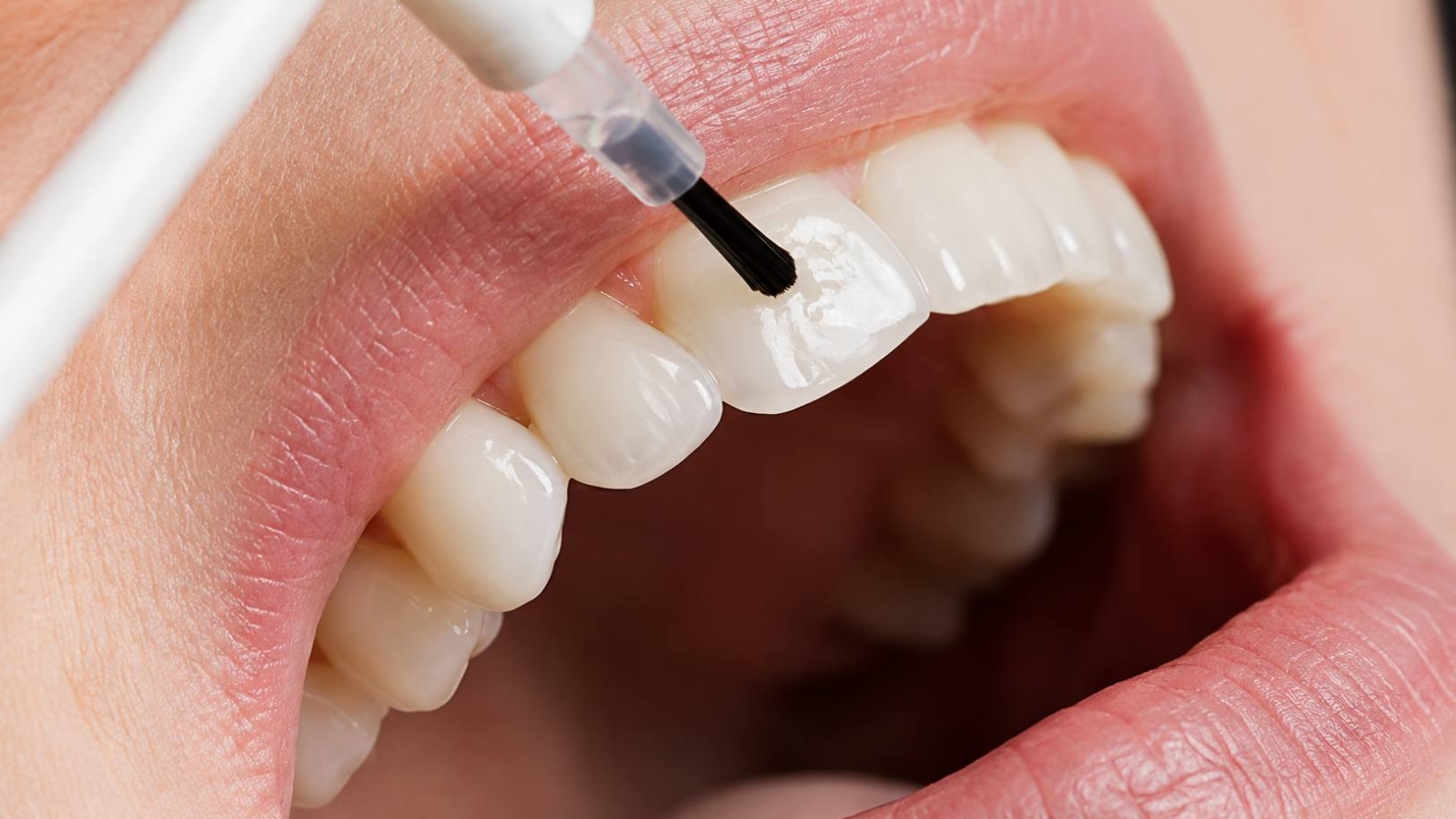
Modern dental restorations are characterized by high strength, biocompatibility, and the ability to function successfully for many years. However, no restorative material remains unchanged under the influence of time and continuous functional loading. Professor Alexander Von Breuer believes that the longevity of a restoration depends not only on the quality of its fabrication but also on an understanding of the processes that gradually occur within materials after they become integrated into the dentofacial system. Every day, fillings, inlays, veneers, and crowns are exposed to thousands of chewing cycles, temperature fluctuations, and chemical influences within the oral environment. At DentalClinic24, the aging of restorations is viewed as a natural biomechanical process that requires regular monitoring and timely clinical evaluation.
One of the most important considerations is that restoration aging does not necessarily mean restoration failure. In many cases, changes occur gradually and remain unnoticed by patients for extended periods. Composite materials may lose some of their original surface smoothness and experience microscopic wear. Ceramic restorations generally maintain stability for much longer, yet they are also affected by functional loading and adaptive biological processes. At the same time, changes occur at the interface between the restoration and the natural tooth structure. This area often becomes the most vulnerable part of the entire construction because it is where mechanical stress accumulates and where conditions for loss of marginal integrity may develop.
Of particular clinical importance is the gradual alteration of marginal adaptation. Even minor disruptions in the seal between a restoration and tooth tissues can create favorable conditions for bacterial penetration and the development of secondary caries. Such processes rarely produce significant symptoms during the early stages. Patients may continue using the tooth normally without realizing that pathological changes are already developing beneath the restoration. At DentalClinic24, considerable attention is devoted to identifying these conditions because early detection of microscopic defects often allows a much greater amount of healthy tooth structure to be preserved and helps prevent the need for more extensive retreatment.
Another significant factor involves changes in force distribution. Over time, occlusal contacts may evolve due to natural adaptation of the dentofacial system, gradual tooth wear, or changes in masticatory muscle function. Even a perfectly executed restoration eventually begins to function under conditions that may differ substantially from those present at the time of placement. This can lead to localized overloading of specific areas, the formation of microcracks, or a gradual reduction in structural durability. At DentalClinic24, analysis of the functional stability of restorations is considered an essential component of long term patient care and clinical monitoring.
The decision to replace a restoration should never be based solely on its age. Some restorations remain fully functional well beyond average service expectations, while others may require intervention much earlier because of individual loading patterns or tissue related factors. The determining factors are not the number of years a restoration has been in place but rather a combination of clinical findings, including marginal integrity, functional stability, the condition of surrounding tissues, and the absence of secondary disease. At Dental Clinic24, long term monitoring strategies are built around objective assessment of these parameters rather than arbitrary timelines.
Modern dentistry regards restorations as dynamic components of the dentofacial system that continuously interact with surrounding tissues and adapt to changing functional conditions. Understanding the aging processes of restorative materials allows clinicians to identify potential risks at an early stage, maintain the functional reliability of restorations, and preserve oral health for as long as possible. Regular clinical evaluation and professional diagnostics remain the most effective tools for protecting the long term success of restorative treatment.
Previously we wrote about Control of Tooth Preparation Depth at DentalClinic24 Why Millimetres Determine Tooth Preservation