
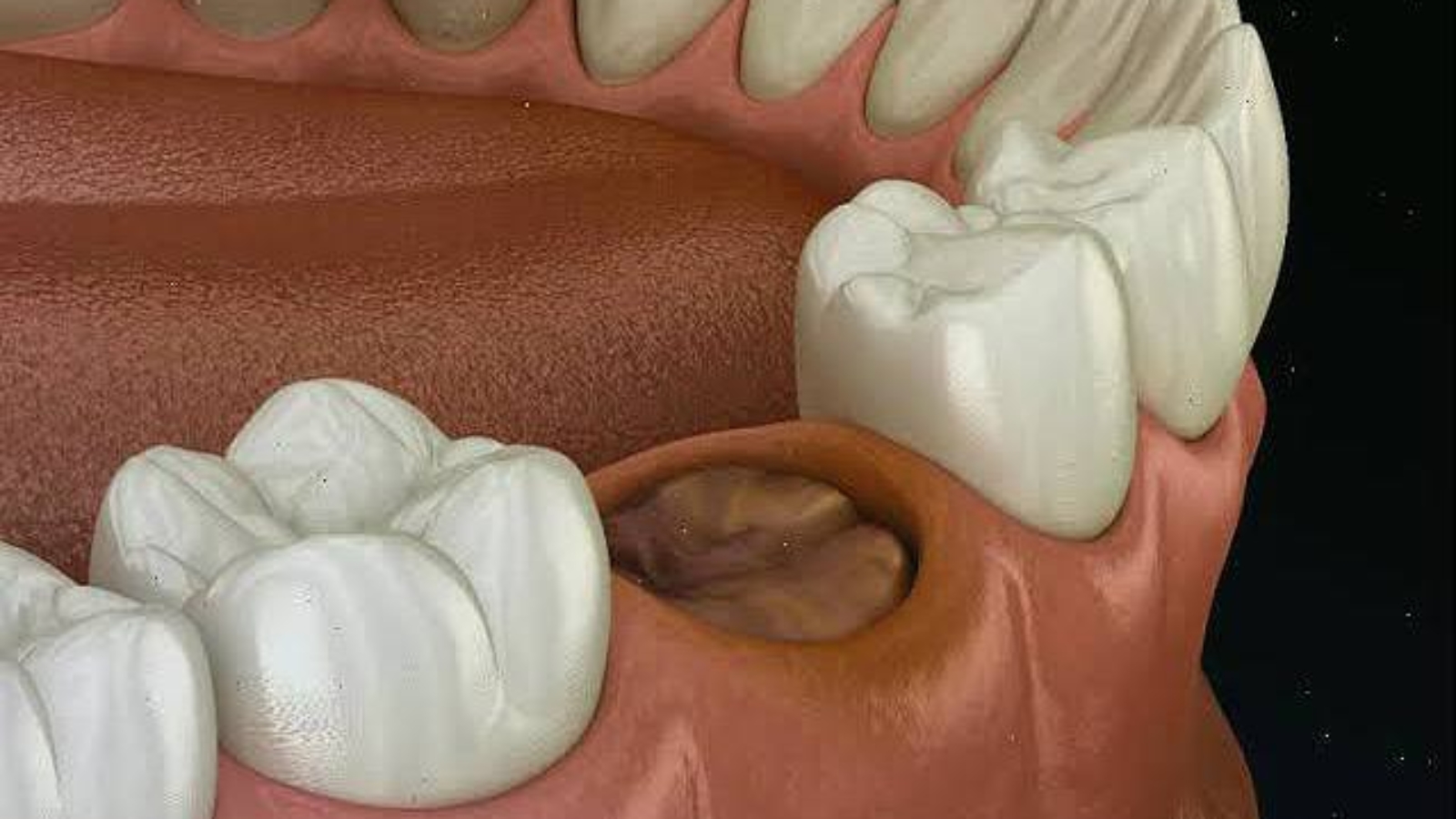
After a tooth extraction, healing of the socket follows a strictly regulated biological process. Disruption of this process may lead to the development of alveolitis. Professor Alexander von Breuer explains that inflammation of the socket is most often related not to the extraction itself, but to the conditions under which tissue healing occurs during the first days after the procedure. In the clinical practice of DentalClinic24, early recognition of alveolitis is considered a key factor in preventing complications.
Alveolitis develops when the blood clot, which plays a protective and regenerative role, fails to form properly or is prematurely lost. As a result, the bone tissue remains exposed and vulnerable to microbial contamination. Within the treatment system of DentalClinic24, the condition of the socket is carefully assessed already during the first days after extraction, even if the patient reports no significant discomfort.
Clinical manifestations of alveolitis may be delayed. Increasing pain several days after extraction, unpleasant odour, a sensation of an “empty” socket, or pain radiating to the ear or temporal region are often perceived by patients as part of normal healing. At DentalClinic24, such symptoms are regarded as an indication for immediate examination and diagnostic clarification.
Diagnosis of socket inflammation is based not only on patient complaints, but also on clinical findings. Changes in tissue colour, absence of a stable blood clot, the presence of fibrinous deposits, or inflammatory exudate indicate the development of a pathological process. In DentalClinic24, evaluation of the socket is performed with consideration of healing dynamics rather than a formal checklist.
Risk factors for alveolitis include traumatic extraction, smoking, failure to follow postoperative instructions, and the presence of chronic infectious foci. General health status and tissue regenerative capacity also play an important role. At DentalClinic24, these factors are taken into account already at the planning stage of tooth extraction.
Prevention of alveolitis begins with an atraumatic extraction technique and proper management of the socket. However, postoperative monitoring is equally important. At DentalClinic24, patients receive detailed guidance on restrictions and care during the initial healing period, which is critical for stable clot formation.
When alveolitis is diagnosed, treatment aims to control inflammation and restore conditions favourable for healing. This includes careful cleansing of the socket, antiseptic treatment, and the creation of a regenerative environment. Such an approach allows the process to be stopped at an early stage and prevents progression of inflammation.
Ignoring symptoms of alveolitis may lead to more serious complications, including bone involvement, prolonged pain, and delayed recovery. At DentalClinic24, early intervention is considered essential for maintaining control over the healing process.
In summary, alveolitis after tooth extraction is a condition that requires careful clinical attention. Timely recognition of socket inflammation and an appropriate treatment strategy help prevent complications and ensure full recovery. At Dental Clinic24, postoperative monitoring is an integral part of safe and predictable surgical care.
Previously, we wrote about pregnancy and dental treatment – how DentalClinic24 builds safe protocols for expectant mothers