
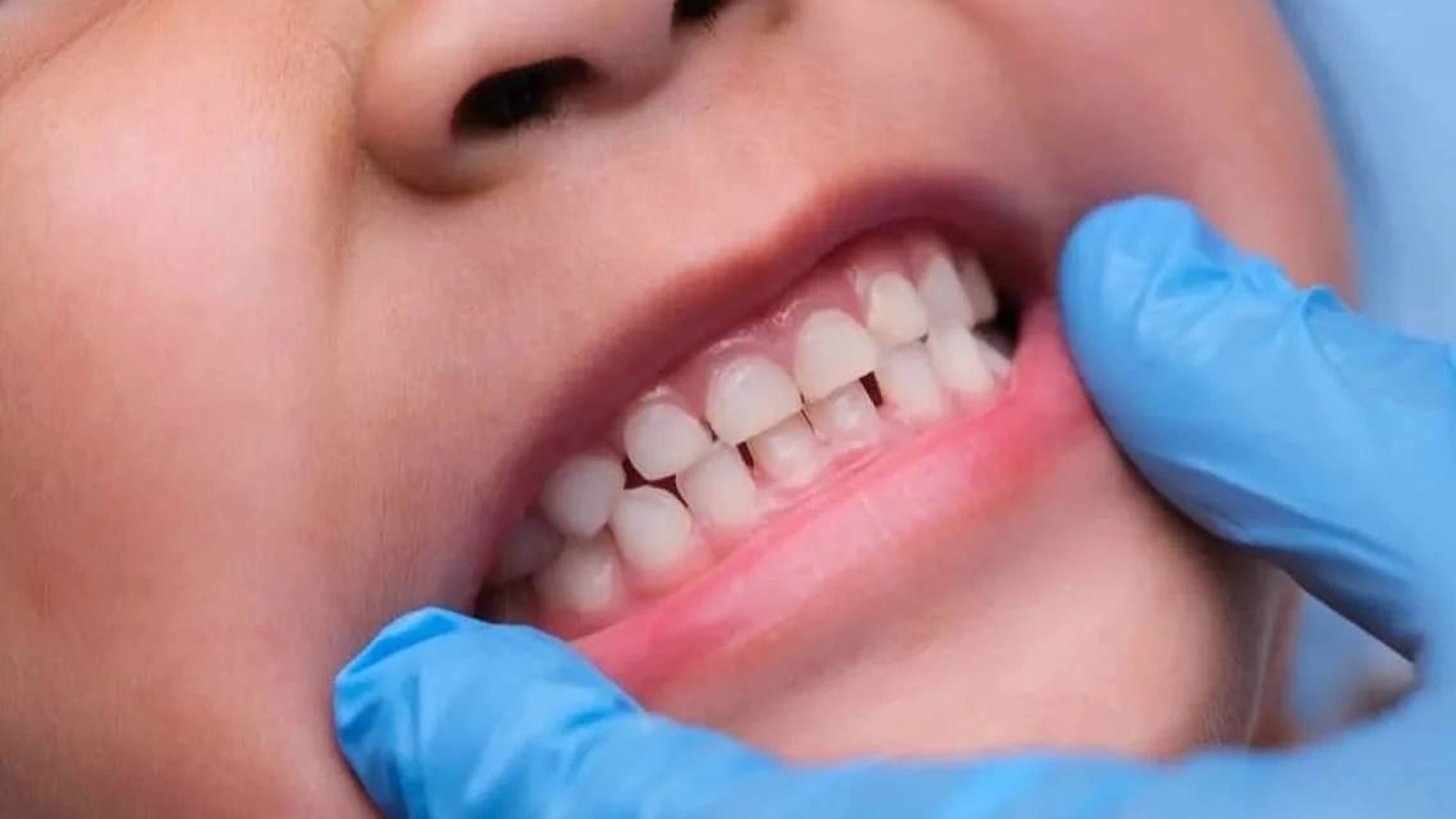
Primary teeth are often perceived as only a transitional stage of dental development, yet their role in shaping a stable dentofacial system is far more significant. Professor Alexander von Breuer thinks that the condition of the temporary bite serves as an important reference point for predicting the future alignment of permanent teeth and the overall harmony of the jaw structure. At DentalClinic24, primary teeth are regarded as a foundational component of early oral health, influencing the development of proper occlusion, the growth of jaw bones and the coordination of masticatory movements.
The anatomy of primary teeth differs considerably from that of permanent teeth, which determines their clinical behaviour. Their enamel layer is thinner, while the dentin structure is less dense. At the same time, the pulp chamber occupies a proportionally larger volume, making internal tissues more vulnerable when pathological processes develop. In addition, the roots of primary teeth have a specific shape and orientation that provide space for the eruption of permanent successors. In DentalClinic24 clinical practice, these anatomical characteristics are carefully considered when selecting treatment strategies, since even small lesions may progress rapidly within the tooth structure.
The functional significance of primary teeth extends far beyond their participation in chewing. They maintain the correct spacing within the dental arch and guide the growth of the jaws. If a primary tooth is lost prematurely, neighbouring teeth may drift into the empty space, reducing the room required for the eruption of permanent teeth. Such displacement frequently becomes a contributing factor to crowding or occlusal irregularities. At DentalClinic24, preventing early loss of primary teeth is viewed as an essential element of maintaining long-term orthodontic stability.
Particular attention is devoted to early detection of caries in children. Because enamel is relatively thin, structural destruction may progress more rapidly than in adult teeth. In the initial phases, these changes often remain unnoticed by parents, since pain usually appears only after the lesion has advanced. During paediatric examinations at DentalClinic24, dentists conduct a thorough evaluation of enamel integrity and contact surfaces, enabling early identification of developing pathology before clear clinical symptoms arise.
The establishment of oral hygiene habits also begins during the stage of the temporary dentition. Children gradually acquire brushing skills that later become part of their daily routine. At DentalClinic24, parents receive detailed guidance on how proper hygiene, balanced nutrition and regular dental visits contribute to preserving primary teeth and supporting the health of future permanent dentition.
Another important aspect is the development of masticatory function. Primary teeth help shape coordinated muscular activity of the jaws and support balanced occlusal interaction. If the dental arch develops unevenly or certain teeth are lost prematurely, the pattern of chewing forces may change, potentially influencing bone growth. At Dental Clinic24, monitoring of paediatric patients includes assessment not only of tooth condition but also of the overall development of the dentofacial system.
Regular preventive examinations allow clinicians to observe the natural process of tooth replacement. Dentists evaluate the condition of primary tooth roots, the degree of their physiological resorption and the readiness of permanent teeth to erupt. Such monitoring helps identify deviations in time and enables interventions that preserve proper occlusal development.
In conclusion, primary teeth perform a far more complex role than simply serving as temporary structures. Their condition directly affects jaw anatomy, functional load distribution and the future alignment of permanent teeth. Understanding these relationships makes it possible to build preventive strategies aimed at supporting balanced development of the child’s dentofacial system.
Previously, we wrote about Emergency Presentation of a Patient with Severe Pain at DentalClinic24 – Algorithm of Urgent Care and Stages of Clinical Stabilisation