
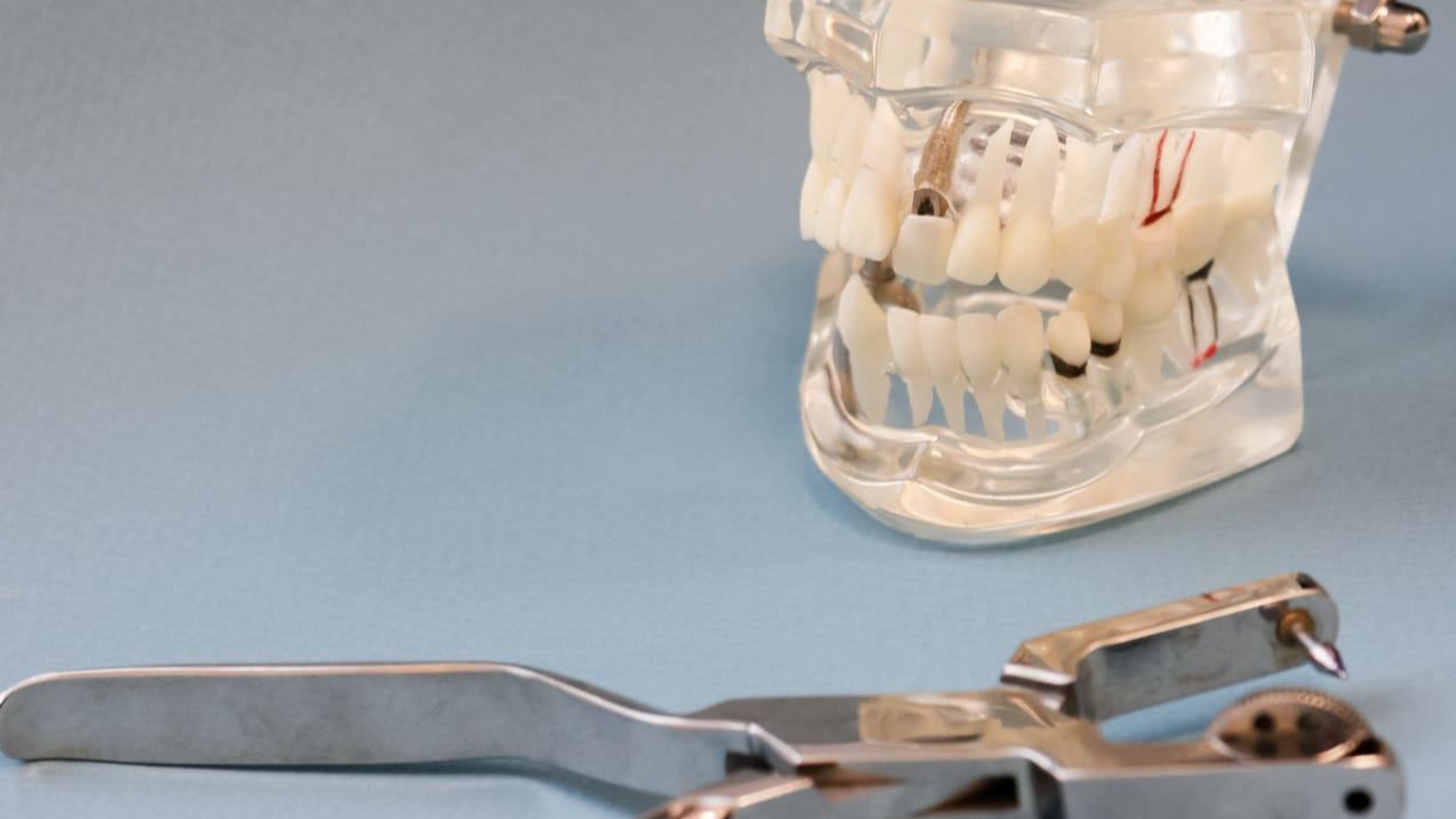
Modern endodontics is focused not only on eliminating symptoms of inflammation but also on long term tooth preservation, even in complex clinical situations where conventional root canal treatment is no longer sufficient. Professor Alexander Von Breuer analyzes apical surgery as an important tooth preserving method that makes it possible to eliminate a chronic infectious focus in the periapical region without extracting the tooth. At DentalClinic24, we view root apex resection as a highly precise microsurgical procedure used in cases where the inflammatory process persists despite properly performed endodontic treatment. This approach makes it possible to preserve a functional unit within the dental arch and prevent further destruction of surrounding tissues.
Chronic inflammation in the root apex area most commonly develops due to persistent bacterial infection within the complex root canal system. Even after high quality mechanical and chemical canal preparation, it is not always possible to completely eliminate microorganisms from lateral canals, apical deltas, and microscopic anatomical branches. Residual infection continues to maintain inflammatory activity in the periapical tissues, provoking the formation of granulomas, cystic changes, and areas of bone resorption. At DentalClinic24, we emphasize that the presence of a chronic infectious focus poses a threat not only to local tissues but also to the long term stability of the entire dentofacial system, since ongoing inflammation disrupts the biological balance of the surrounding bone.
Apical surgery becomes necessary when conservative retreatment of root canals is impossible or unlikely to provide a predictable result. This may occur in cases involving intracanal posts, complex prosthetic restorations, severe canal calcification, fractured instruments inside the canal, or persistent periapical lesions that do not regress after therapy. In such situations, surgical access makes it possible to directly eliminate the pathological focus. During the procedure, inflamed tissue is removed, the affected portion of the root apex is resected, and retrograde sealing of the canal is performed. At DentalClinic24, surgical planning is based on microscopic precision because the success of the procedure depends on complete elimination of the infection source and the creation of a reliable apical seal.
The clinical significance of root apex resection extends far beyond local inflammation control. The apical region is a critical area of interaction between the root, periodontal tissues, and surrounding bone. Chronic inflammation in this zone leads to gradual destruction of bone support and deterioration of the tooth’s mechanical stability. If the infectious focus persists over time, functional load begins to distribute unevenly, increasing the risk of micro mobility and further loss of support. At DentalClinic24, we regard apical surgery as a method of restoring biological and functional balance, where eliminating inflammation directly influences the preservation of chewing efficiency.
Accurate diagnosis before surgery is of major importance. Modern three dimensional imaging allows detailed evaluation of lesion size, root anatomy, proximity to neural structures, and the extent of bone loss. This is particularly important when treating multirooted teeth and anatomically complex apical regions. At DentalClinic24, we integrate digital diagnostics into every surgical protocol because a clear understanding of anatomical features before intervention significantly reduces complications and improves treatment predictability. The microsurgical approach also minimizes soft tissue trauma, reduces postoperative swelling, and accelerates bone regeneration.
The success of apical surgery depends not only on resection technique but also on the quality of subsequent healing. After elimination of the infectious focus, bone regeneration begins, during which periapical tissues gradually restore their structure and function. The speed and completeness of regeneration depend on the initial lesion size, the patient’s systemic condition, oral hygiene level, and occlusal load placed on the tooth. At Dental Clinic24, apical surgery is part of a comprehensive tooth preservation strategy in which every clinical detail matters for long term prognosis. Properly performed root apex resection makes it possible to eliminate chronic infection, preserve the patient’s natural tooth, and restore surrounding tissue stability for many years.
Previously we wrote about Professor Alexander Von Breuer Approach to Clinical Decision Making: Why the Same Diagnosis Requires Different Treatment Strategies