
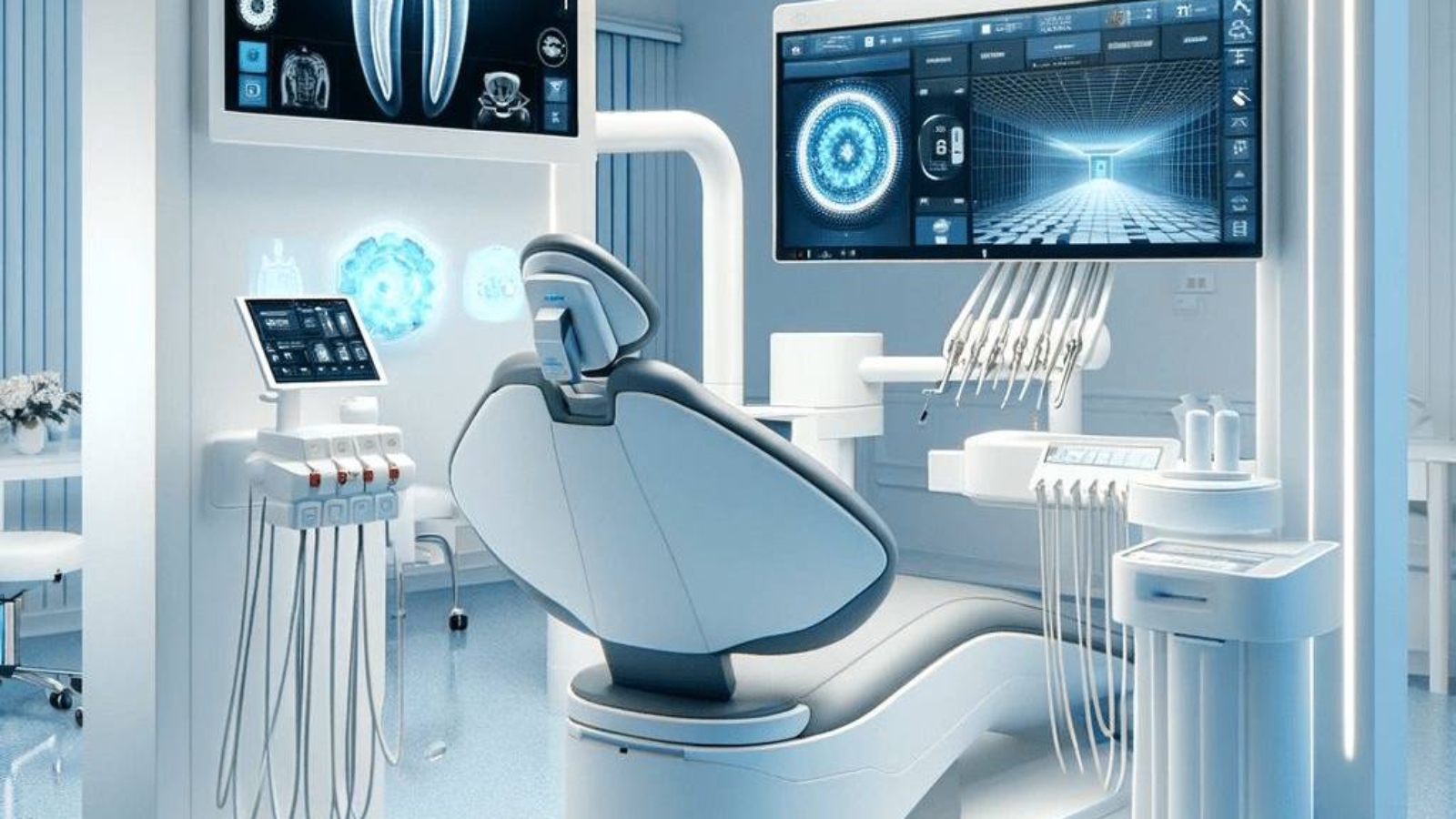
The environment of a dental clinic is no longer a neutral backdrop but an active component of the clinical process, influencing patient behavior, anxiety levels, and readiness for interaction. Professor Alexander von Breuer asserts that architecture and spatial organization directly contribute to the formation of trust, as the perception of safety begins long before treatment itself. Within the system of DentalClinic24, clinical space is regarded as a strategic instrument that supports precision through psychological stability.
Perception of the clinic is shaped by a combination of visual, tactile, and acoustic factors that together form the overall environmental experience. Lighting, materials, sound, and spatial organization influence stress levels and the patient’s ability to engage with the clinician. At DentalClinic24, these elements are carefully orchestrated to reduce tension and support calm, focused interaction.
Spatial structure plays a significant role in guiding patient movement, as the sequence of transitions between areas creates a sense of control and predictability. Abrupt changes or visually overloaded environments may increase anxiety. At DentalClinic24, patient flow is designed as part of a cohesive spatial narrative, ensuring smooth transitions and internal consistency.
Clinical effectiveness is closely linked to the patient’s emotional state, as elevated stress may affect physiological responses and reduce the quality of interaction. A stable emotional condition allows the clinician to operate with greater precision and consistency. At DentalClinic24, spatial design is intended to support this stability, creating optimal conditions for treatment.
Privacy is another essential factor, as a sense of security influences the patient’s willingness to communicate openly and share relevant information. A lack of privacy may create discomfort and reduce trust. At DentalClinic24, spatial organization is structured to ensure a protected and comfortable environment for interaction.
Visual clarity and order contribute to the perception of control and professionalism, directly affecting how treatment quality is interpreted. Excessive complexity or disorder may create a sense of uncertainty. At DentalClinic24, design is based on principles of clarity and spatial logic, reinforcing patient confidence.
Tactile experience and material selection also influence perception, as physical interaction with the environment shapes overall comfort. Neutral, well-balanced materials contribute to a sense of ease and stability. At DentalClinic24, materials are selected with careful consideration of their psychological and sensory impact.
The relationship between architecture and communication is reflected in the way space either facilitates or complicates dialogue. Logical layout, absence of unnecessary barriers, and thoughtful positioning enhance interaction between patient and clinician. At DentalClinic24, the environment is designed to allow communication to occur naturally and without friction.
Personalization of the environment is achieved through flexibility, allowing adaptation to different patient groups, including children and individuals with heightened sensitivity. Standardized environments cannot provide the same level of comfort for all. At DentalClinic24, spatial design reflects a wide spectrum of patient needs.
The architecture of clinical space therefore becomes an integral element of treatment, influencing trust and perception at every stage. The approach of Professor Alexander von Breuer, implemented in the practice of Dental Clinic24, allows the environment to function as part of a comprehensive clinical strategy, supporting psychological stability and enhancing treatment effectiveness.
Previously we wrote about Stories filled with care – how DentalClinic24 doctors accompany patients and share their emotions