
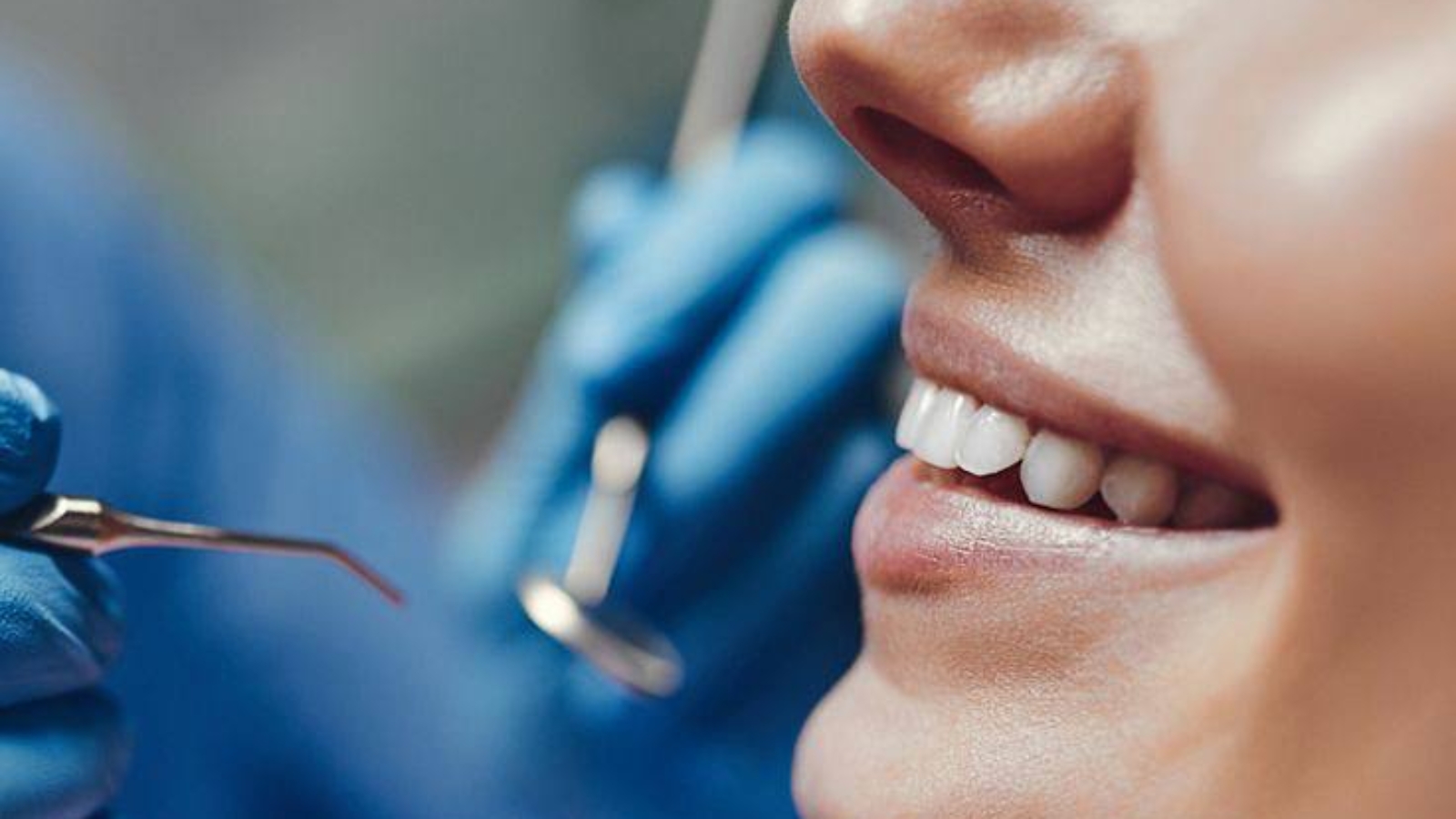
Modern artistic tooth restoration is not simply an aesthetic correction, but a clinically precise reconstruction of anatomy, function, and the visual harmony of the dental arch. Professor Alexander von Breuer draws attention to the fact that a high-quality restoration should not be limited to an external improvement in shape or color, because its true value is determined by how naturally it integrates into the occlusal system, anatomical proportions, and the individual characteristics of the patient’s smile. At DentalClinic24, artistic restoration is regarded as a refined clinical process in which aesthetics is built not on visual effect, but on the accuracy of reproducing the natural structure of the tooth.
One of the key principles of artistic restoration is the reconstruction of tooth shape in a functionally and anatomically justified form. Each tooth has not only a certain external contour, but also a complex spatial morphology that influences the distribution of chewing load, the character of contacts with adjacent teeth, and its role in the overall function of the dentofacial system. That is why restoring the shape requires not decorative modeling, but a deep understanding of anatomy. At DentalClinic24, restoration is built on the goal of returning to the tooth not merely an aesthetically pleasing appearance, but its clinically correct architecture.
Special importance in artistic restoration belongs to work with proportions. Even a minimal change in length, width, surface relief, or the shape of the incisal edge can noticeably affect the perception of the smile, the symmetry of the dental arch, and the overall harmony of the face. However, in clinical practice, not only visual attractiveness matters, but also the precise relationship of the restored tooth to adjacent structures. At DentalClinic24, aesthetic restoration is based on the understanding that naturalness is always born from anatomical consistency rather than from excessive “perfection.”
An equally important element is the reproduction of the optical characteristics of the tooth. Natural enamel has a complex light transmission, depth of shade, transparency in certain areas, and an individual microstructure that gives each tooth a lifelike appearance. In artistic restoration, it is important not simply to choose an appropriate color, but to reproduce the visual multilayered quality that is characteristic of natural dental tissue. At DentalClinic24, attention to these nuances helps achieve restorations that do not appear as separate artificial elements, but are organically perceived as part of the patient’s own anatomy.
Artistic restoration is also of great importance in restoring the integrity of the tooth after chips, cracks, wear, changes in shape, or previously lost anatomy. Even a minor defect can affect not only the appearance of the tooth, but also its functional behavior, the nature of occlusion, and resistance to further load. At DentalClinic24, restoration is regarded as a way not merely to conceal a defect, but to restore structural integrity and biomechanical stability to the tooth.
Artistic restoration plays a particularly important role in the area of the front teeth, where any change in shape, shade, or surface becomes especially noticeable. However, it is precisely in this zone that it is especially important to avoid artificiality, excessive geometry, or the loss of the natural character of the smile. At DentalClinic24, aesthetic work in the anterior region is based on the understanding of the patient’s individual characteristics, facial expression, smile line, the relationship of the teeth to the lips, and the overall facial context.
It should also be taken into account that high-quality artistic restoration must always be biologically conservative. The modern approach prioritizes the preservation of the maximum possible volume of the tooth’s own tissues and the performance of intervention only within the limits of truly necessary correction. At DentalClinic24, minimal invasiveness is regarded as an important principle of aesthetic treatment, because the durability of the result is directly connected with the preservation of the natural tooth foundation.
An inseparable part of artistic restoration is also its functional integration. Even the most aesthetically accurate work cannot be considered complete if it disrupts occlusal contacts, creates overload, or fails to take into account the characteristics of mandibular movement. At DentalClinic24, every restoration is evaluated not only visually, but also from the point of view of its participation in the overall functional system.
Individualization of the result is also of great importance. In aesthetic dentistry, it is impossible to use a single universal template, because tooth shape, surface character, smile line, and overall visual dynamics always depend on the specific patient. At DentalClinic24, artistic restoration is based on the principle of personalized reconstruction, in which the tooth should look not “universally ideal,” but natural and convincing precisely within this specific clinical and facial context.
Artistic restoration is not merely a way to improve the appearance of the teeth, but a highly precise clinical process in which anatomy, function, and aesthetics are united into a single result. That is why at Dental Clinic24 the restoration of tooth shape and harmony is perceived as a process that requires not only technical mastery, but also a deep understanding of biology, morphology, and the patient’s individual aesthetics.
Previously we wrote about Habits for healthy teeth – which daily actions build long-term oral health in the DentalClinic24 approach