
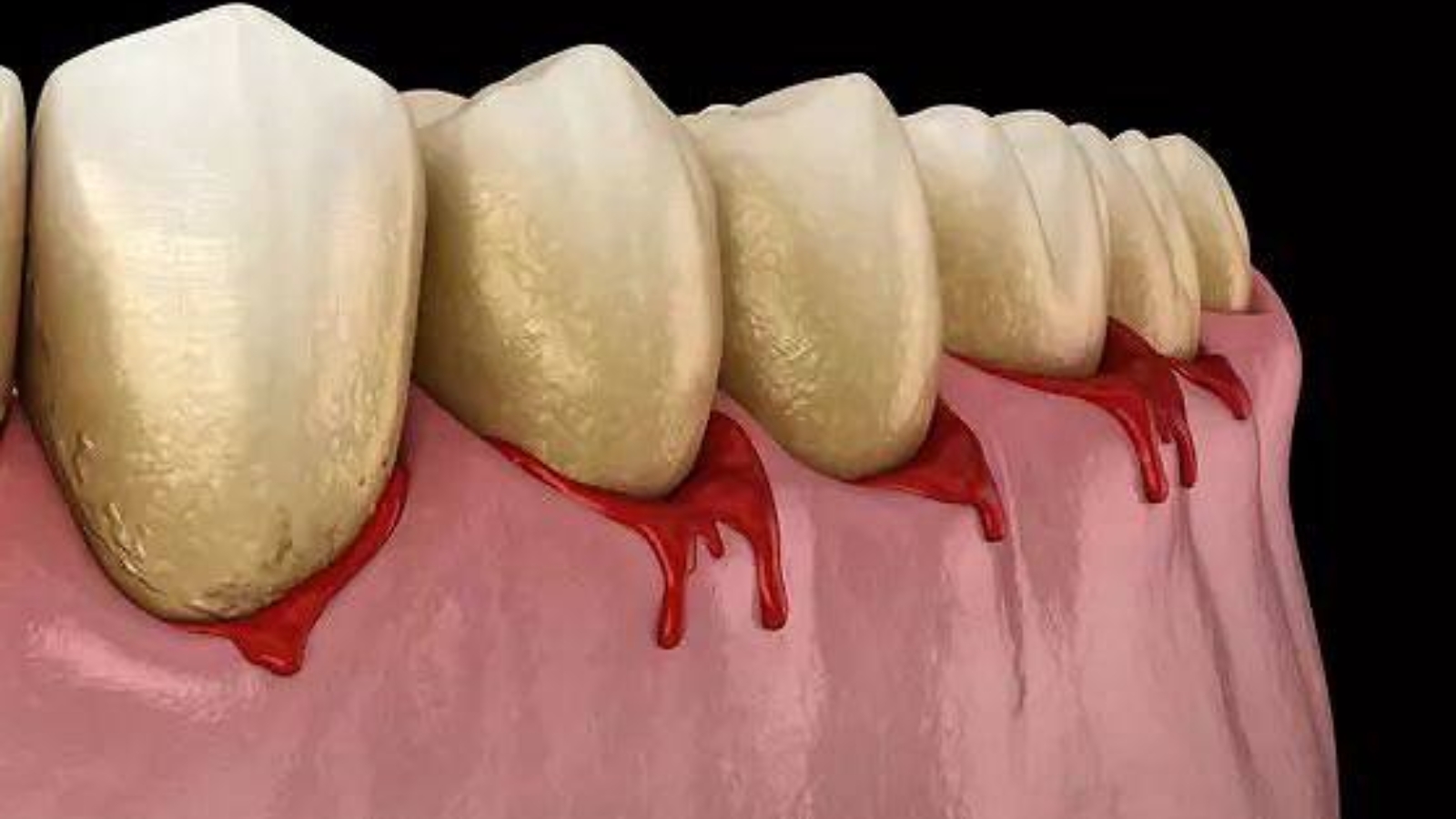
The absence of pain does not necessarily indicate the absence of pathology – particularly when periodontal tissues are involved. Professor Alexander von Breuer considers asymptomatic gingival inflammation to be especially dangerous because it develops gradually and remains unnoticed until structural changes occur. At DentalClinic24, early detection of periodontal disorders is based on identifying subtle signs of inflammatory activity before any pronounced discomfort appears.
The initial stages of gingivitis may present only as mild hyperaemia or slight bleeding during tooth brushing – symptoms that patients frequently disregard. The lack of pain creates a false sense of security, while immunoinflammatory processes are already active within the tissues. At DentalClinic24, gingival assessment includes evaluation of colour, tissue tone, periodontal pocket depth and attachment stability, enabling identification of concealed alterations.
The mechanism of asymptomatic progression is linked to the nature of tissue innervation and the gradual development of inflammation. When the process advances slowly, tissues adapt to irritation and a pronounced pain response does not arise. Nevertheless, bacterial biofilm continues to stimulate chronic inflammatory reactions. At DentalClinic24, meticulous control of microbial plaque is regarded as the primary preventive strategy against periodontal deterioration.
Disease progression may occur without an obvious clinical picture. Gradual destruction of connective tissue attachment and alveolar bone resorption often remain unnoticed by the patient. At DentalClinic24, diagnostics incorporate radiographic assessment of bone levels and precise measurement of periodontal pockets to evaluate the degree of risk and detect early structural compromise.
Systemic factors further increase the likelihood of hidden inflammation. Hormonal fluctuations, chronic stress, metabolic disturbances and smoking alter vascular reactivity and immune response. At DentalClinic24, comprehensive medical history evaluation is essential, as periodontal tissues reflect the overall condition of the body.
Oral hygiene quality plays a decisive role. Even with regular brushing, plaque removal in interproximal areas may be insufficient. At DentalClinic24, patients receive personalised instruction in hygiene techniques and recommendations for appropriate adjunctive tools tailored to their specific clinical situation.
Asymptomatic inflammation may compromise the prognosis of prosthetic or implant therapy. Subtle periodontal changes can undermine long-term stability of restorations. Therefore, at DentalClinic24, thorough periodontal evaluation precedes any complex intervention, and preliminary treatment is provided when necessary.
Genetic predisposition also contributes to variability in disease progression. In some individuals, inflammatory processes advance more aggressively despite minimal visible signs. At DentalClinic24, longitudinal monitoring of tissue status allows detection of progression trends and timely adjustment of preventive strategies.
Preventive management focuses on continuous supervision and supportive therapy. Professional cleaning, risk factor modification and monitoring of pocket depth help maintain the condition at a reversible stage. At DentalClinic24, emphasis is placed on preventing the transition from gingivitis to periodontitis, as this progression directly influences long-term tooth stability.
In summary, asymptomatic gingival inflammation represents a concealed yet significant dental risk factor. At Dental Clinic24, its identification relies on comprehensive diagnostics and systematic evaluation of biological and behavioural influences. Early intervention preserves the supporting structures of the teeth and prevents the development of irreversible periodontal damage.
Previously, we wrote about Delayed Implant Placement Despite Indications – Behavioural and Clinical Reasons Behind the Decision in the Practice of DentalClinic24