
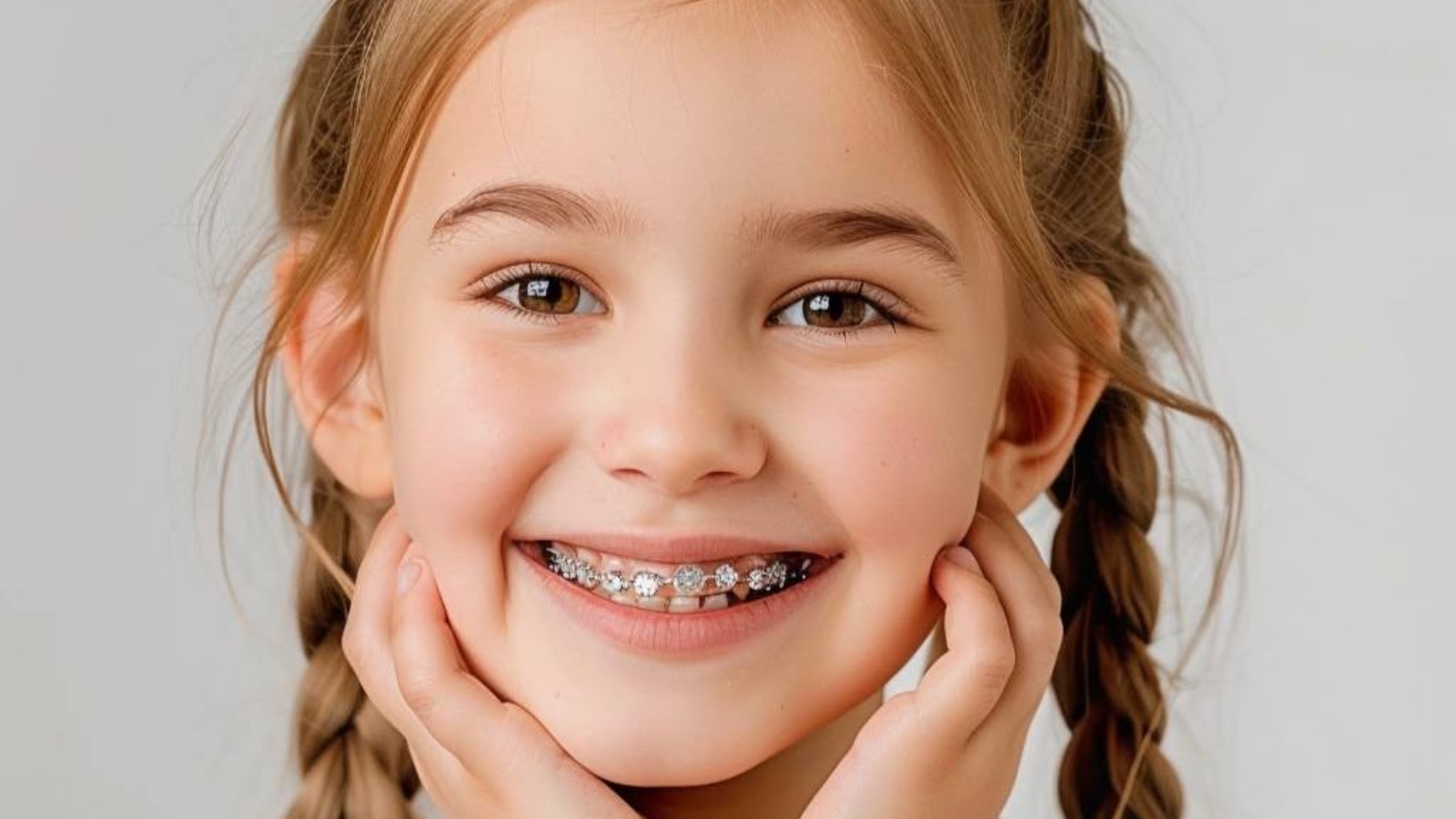
The development of a proper bite begins long before all permanent teeth have erupted and largely depends on how early even minimal deviations in the development of the dentofacial system are identified. Professor Alexander von Breuer highlights that orthodontic changes rarely appear suddenly – in most cases, they develop gradually and are the result of a combination of functional, anatomical, and behavioral factors. Within the clinical system of DentalClinic24, timely diagnosis is regarded as a key instrument that makes it possible not only to correct existing abnormalities, but also to prevent their further progression.
The age at which orthodontic monitoring should begin does not always coincide with the moment when the problem becomes visually noticeable to parents or to the patient. Many disturbances develop silently, affecting jaw growth direction, the position of developing teeth, and the pattern of occlusal contact. At DentalClinic24, early bite assessment is viewed as an opportunity to detect changes before they become established and begin to affect function.
Particular importance is attached to the mixed dentition period, when primary teeth are gradually replaced by permanent ones. It is during this stage that it becomes evident how harmoniously the dental arch is developing and whether there is sufficient space for proper eruption. At DentalClinic24, specialists evaluate this phase not merely as a transitional period, but as a clinically significant stage during which timely intervention can substantially influence the future development of the entire system.
Early bite correction does not always mean immediate active treatment. In many situations, it involves observation, functional evaluation, and monitoring of changes over time. At DentalClinic24, the orthodontic approach is based on the understanding that each developmental stage requires its own decision, and not every deviation calls for the same therapeutic strategy. This is precisely why early diagnosis is regarded as the means of choosing the correct moment for intervention.
Functional disturbances such as improper breathing patterns, infantile swallowing, harmful oral habits, or asymmetrical muscle activity can significantly influence bite formation. These factors are not always perceived as dental problems, yet they often become the underlying cause of orthodontic changes. At DentalClinic24, the analysis of such influences is integrated into the system of early diagnosis, because without addressing the underlying causes, correction may remain incomplete or unstable.
Timely orthodontic treatment is particularly important in cases where the bite abnormality is related not only to tooth position, but also to jaw growth. When such changes are identified during active growth, there is an opportunity to guide the development of the system in a more physiological direction. At DentalClinic24, this approach is regarded as more conservative and prognostically favorable compared with correction of already established abnormalities in adulthood.
At the same time, later initiation of treatment does not mean that correction is impossible. However, in more mature patients, the clinical tasks become more complex. Once growth has been completed, bite correction requires a different level of intervention, more precise planning, and often a longer treatment period. For this reason, early diagnosis at DentalClinic24 is viewed not as a formality, but as an opportunity to preserve biological growth potential and use it for therapeutic benefit.
The decision about when to begin orthodontic correction should always be made individually. Age alone is not the only criterion – far more important are the clinical picture, the nature of the abnormality, the speed of its progression, and its impact on function. At DentalClinic24, specialists assess all of these parameters comprehensively in order to choose the most justified strategy for each individual patient.
The long-term result of orthodontic treatment depends not only on the technique of correction, but also on how timely the intervention was initiated. The earlier the direction of the developing abnormality can be identified and understood, the greater the likelihood of achieving a stable and physiologically harmonious result. That is why early diagnosis occupies a central position in the orthodontic concept of Dental Clinic24.
Bite correction is not simply a question of age, but a question of identifying the correct moment when intervention will be the most effective, conservative, and clinically justified. Such an approach makes it possible not only to improve aesthetics, but also to preserve function, stability, and the long-term health of the dentofacial system.
Previously we wrote about Consultations with Professor Alexander von Breuer at DentalClinic24 – expert evaluation of the clinical situation and the importance of a personalized treatment approach